
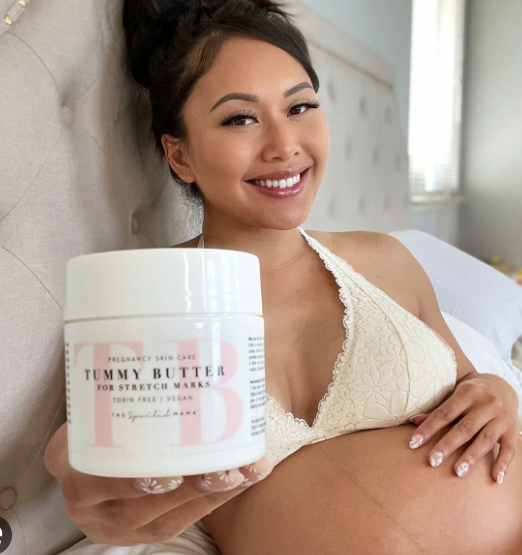
Pregnancy is a transformative time for many women, not just physically but also in terms of skin care needs. This period can introduce various changes to your body, including significant alterations to your breasts. Caring for your breast skin during pregnancy is essential to ensure comfort and maintain skin health.
1. Understanding Breast Changes During Pregnancy
During pregnancy, your body undergoes hormonal changes that can lead to increased breast size and sensitivity. You may notice that your skin stretches as your breasts expand to prepare for breastfeeding. Additionally, pigmentation changes, such as darkened nipples and areolas, are common. Understanding these changes can help you adjust your skin care routine effectively.
Skin elasticity is crucial during this phase. The breasts are particularly vulnerable to stretch marks, which can occur if the skin stretches rapidly. This is why incorporating moisturizing creams and oils into your routine is essential, as they help maintain skin hydration and elasticity.
-
- Keep track of any changes in your breasts.
-
- Invest in a good quality moisturizer or oil.
-
- Consider speaking to a dermatologist about specific concerns.
-
- Stay hydrated to promote skin elasticity.
-
- Use sun protection for any exposed skin.
2. Choosing the Right Skin Care Products
When selecting skin care products for your breast area during pregnancy, it’s crucial to opt for safe, hypoallergenic, and fragrance-free products. Your skin may be more sensitive now, and certain chemicals found in conventional skincare items can irritate it. Always check ingredient lists for potentially harmful substances.
Natural oils like coconut oil, almond oil, or shea butter are excellent choices for moisturizing. They not only hydrate the skin but also have soothing properties, which can help alleviate any itchiness caused by stretching. Moreover, consider consulting your healthcare provider for recommendations on safe products during pregnancy.
-
- Look for hypoallergenic and fragrance-free labels.
-
- Test new products on a small skin area first.
-
- Consider natural products like oils and butters for hydration.
-
- Avoid products with harsh chemicals.
-
- Stay informed about any new research on safe skincare during pregnancy.
3. Developing a Hydration and Care Routine
Establishing a consistent breast skin care routine is vital during pregnancy. Start by cleaning the area gently with a mild cleanser; this helps to remove any impurities while not stripping the skin of natural oils. Follow this with a hydrating moisturizer to keep the skin nourished. Perform this routine daily for best results.
Massage can also be beneficial for improving circulation and preventing stretch marks. Using your chosen oil or moisturizer, gently massage the breasts in circular motions. This can promote skin elasticity and provide a soothing effect, making it a perfect addition to your self-care time.
-
- Cleanse daily with a mild, gentle cleanser.
-
- Moisturize immediately after cleansing.
-
- Incorporate a gentle massage into your routine.
-
- Stay consistent for the best results.
-
- Monitor for any irritation or adverse reactions.
4. Diet and Lifestyle Considerations
Your diet can significantly affect your skin quality during pregnancy. Focus on a balanced diet rich in vitamins, particularly vitamin E, vitamin C, and omega fatty acids, as these can promote skin health. Foods such as avocados, nuts, berries, and fish are excellent choices that can also enhance hydration from the inside out.
Furthermore, maintain an active lifestyle. Regular light exercise, such as walking or prenatal yoga, enhances blood circulation, which can help in skin rejuvenation. However, always consult with your healthcare provider before starting any new exercise regimen during pregnancy.
-
- Incorporate foods high in vitamins E and C into your diet.
-
- Stay hydrated by drinking plenty of water.
-
- Engage in light physical activities regularly.
-
- Consult with a nutritionist for tailored advice.
-
- Be mindful of sugar and processed food intake.
5. Managing Common Skin Concerns
Pregnancy can bring about common skin concerns such as stretch marks, itchiness, and skin discoloration. Understanding these issues and having a plan to address them can help keep you comfortable. Stretch marks, while common, can often be minimized with proper hydration and skin care routines.
If you experience itchiness, especially in the breast area, applying a cooling gel or hydrating lotion can provide relief. For discoloration, while it often resolves after pregnancy, protecting your skin from sun exposure can help prevent worsening pigmentation. An SPF of 30 or higher is recommended whenever you’re outside.
-
- Use creams formulated specifically for stretch mark prevention.
-
- Apply cooling gels for relief from itchy skin.
-
- Monitor any unusual changes and consult a doctor if needed.
-
- Be diligent about sun protection to prevent further discoloration.
-
- Track any symptoms you want to discuss with your healthcare provider.
Taking care of your breast skin during pregnancy doesn’t have to be overwhelming. By understanding the changes, choosing the right products, and establishing a consistent routine, you can significantly enhance your skin’s health. Always consult with a healthcare professional for personalized advice and support.