
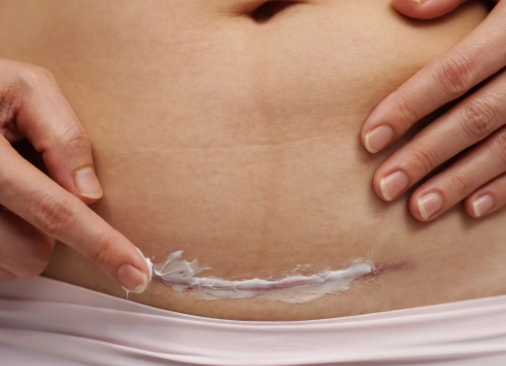
Having a C-section can be a crucial and sometimes difficult experience for mothers. The care of a C-section scar is just as vital as post-operative care for the baby. With the right information and gentle approaches, you can ensure your scar heals beautifully.
1. Understanding Your C-Section Scar
After a C-section, it’s normal to feel a mix of emotions about your scar. Understanding what you’re experiencing can help ease your concerns. A C-section scar doesn’t just signify your delivery; it means you’ve gone through a significant surgical procedure. Typically, the scar will fade over time, turning from a bright red or purple to a more skin-toned appearance, but this process varies for everyone.
The healing journey of your scar involves multiple factors, including genetics, skin type, and overall health. Some women may experience itching or tightness around the scar area as it heals. This sensation is often a sign of the skin recovering, but it’s essential to monitor for unusual signs of infection, such as increased redness or discharge.
-
- Be aware of the healing timeline for your scar.
-
- Monitor any changes in color or texture.
-
- Consult a healthcare provider if you notice signs of infection.
-
- Consider genetics; family history may influence your scar’s healing.
2. Gentle Cleaning and Moisturizing
Keeping the area clean is a fundamental aspect of caring for your C-section scar. Initially, it’s advisable to clean the scar with gentle soap and water, ensuring you don’t apply excessive pressure. As the weeks go by, you can gradually introduce more soothing methods, including applying serums or oils specifically designed for scar healing. These can keep the scar tissue moist and enhance recovery.
Moisturizing not only helps with the appearance of the scar but also reduces itchiness which can be a common nuisance. Products containing ingredients like silicone gel, vitamin E, or natural oils such as coconut or olive oil can provide added benefits. Remember to introduce any new products slowly to ensure they do not irritate the skin.
-
- Use gentle soap to clean the area daily.
-
- Pat dry with a soft towel; avoid rubbing the scar.
-
- Apply a silicone-based gel or oil regularly.
-
- Keep an eye on skin reactions to new products.
3. Posture and Mobility
Your posture and movement after a C-section can significantly affect the scar’s healing. Keeping your back straight and avoiding slouching helps to reduce tension on the scar. Be cautious with physical activities; while light walking is beneficial, avoid strenuous activities until you receive clearance from your healthcare provider.
Practicing gentle stretching exercises can also aid recovery. Simple movements can assist in alleviating tension around the abdominal area, allowing for proper blood flow to the scar. Always listen to your body; if you experience pain during an activity, scale back and consult a professional before continuing.
-
- Maintain a straight posture when sitting or standing.
-
- Engage in light walking as soon as you feel comfortable.
-
- Incorporate gentle stretching to enhance mobility.
-
- Avoid heavy lifting and strenuous exercise until cleared by a doctor.
4. The Role of Nutrition
Your body needs proper nutrition to support healing, especially after a surgical procedure like a C-section. Consuming a balanced diet rich in vitamins and minerals can promote scar healing. Focus on foods high in vitamin C, like oranges and strawberries, as well as vitamin E-rich foods such as nuts and seeds, to enhance skin recovery.
Additionally, staying hydrated is essential. Water aids in flushing out toxins, which can promote a smoother healing process. Consider incorporating omega-3 fatty acids found in fish or flaxseeds, as they have anti-inflammatory properties that can help with healing.
-
- Include fruits and vegetables high in vitamins.
-
- Stay hydrated by drinking plenty of water.
-
- Consume healthy fats from sources like fish and nuts.
-
- Avoid processed foods which may slow down healing.
5. Emotional Aspect of Scar Healing
The emotional journey after a C-section, including the presence of a scar, may affect some mothers profoundly. Many women grapple with feelings of self-image or body confidence following the surgery. It’s essential to acknowledge these feelings and recognize they are normal.
Connecting with other mothers who have shared similar experiences can be beneficial. Support groups or communities, whether online or in-person, can offer a comfort level that discussions with friends or family might not provide. Don’t hesitate to consider speaking with a professional if feelings of anxiety or depression persist, as mental health is an essential part of the healing process.
-
- Join support groups for shared experiences.
-
- Talk openly about your feelings with trusted friends.
-
- Consider professional help if feelings overwhelm you.
-
- Practice positive affirmations about your body.
In conclusion, gently caring for your C-section scar is vital for both physical and emotional healing. By understanding the healing process, maintaining good hygiene, and fostering a supportive environment, you can ensure your scar not only heals well but also empowers you on your journey as a new mother. Don’t hesitate to consult a professional for personalized advice and to track your recovery progress.