
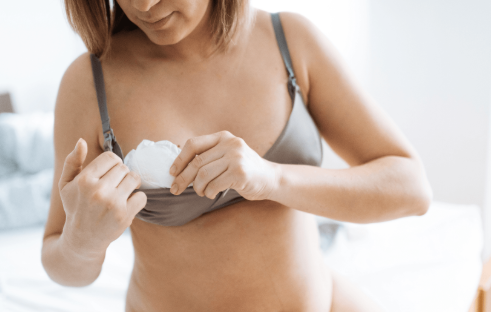
Postpartum breast skin care is an often-overlooked aspect of new motherhood that can significantly enhance both comfort and confidence. After childbirth, the skin can undergo various changes due to hormonal fluctuations, breastfeeding, and physical adjustments. Understanding how to care for this delicate area can make a world of difference.
1. Understanding Skin Changes
During the postpartum period, many women notice changes in the skin of their breasts. This can include increased sensitivity, dryness, or darkened skin. The hormonal shifts that occur after pregnancy can lead to fluctuations in oil production, making your skin either drier or oilier than usual. This is a natural response, but it does call for a tailored approach to skin care.
Additionally, if you are breastfeeding, you may experience issues such as cracked or sore nipples. The friction and moisture from nursing can lead to irritation, making proper skin care even more crucial during this time. Being attentive to these changes allows you to address any issues early, keeping your skin healthy and comfortable.
-
- Pay attention to how your skin feels; write down any changes you notice.
-
- Consider keeping a diary to track sensitivity levels and reactions to products.
-
- Seek to understand your skin type better—oily, dry, or combination.
-
- Consult with a dermatologist for personalized skin assessments.
2. Essential Moisturization Tactics
Moisturizing is vital for maintaining skin elasticity and hydration during postpartum. Ingredients like shea butter, coconut oil, or specially formulated breast creams can help alleviate dryness and prevent cracking. Regular application after showering or breastfeeding can lock in moisture and provide a protective barrier.
You should also consider how you apply these moisturizers; gentle massaging can enhance circulation and promote skin elasticity. Taking your time to nourish your skin not only aids in recovery but also creates a soothing ritual that helps you connect with your body post-pregnancy.
-
- Apply moisturizer immediately after bathing to trap moisture.
-
- Look for products that are hypoallergenic and free from parabens.
-
- Incorporate a gentle massage technique while applying the cream.
-
- Use organic oils if you prefer a more natural approach.
3. Sun Protection is Key
Postpartum skin can be more susceptible to sun damage, especially if it has become sensitive or discolored. Wearing a broad-spectrum sunscreen daily can help protect against UV rays that can worsen skin pigmentation or lead to other damage. Look for SPF 30 or higher and apply it generously on the breast and surrounding areas.
In addition to wearing sunscreen, wearing protective clothing and seeking shade can further safeguard your skin. Remember that even on cloudy days, UV rays can penetrate through, so consistency is key. Protecting your skin will help maintain its natural beauty and health.
-
- Apply sunscreen 15-30 minutes before going outdoors.
-
- Reapply sunscreen every two hours when out for an extended time.
-
- Use a wide-brimmed hat or cover-ups for additional protection.
-
- Check your sunscreen regularly for expiration dates.
4. Smart Choices for Cleansing
Choosing the right cleanser is crucial for postpartum breast skin care. Opt for a gentle, sulfate-free cleanser that won’t strip away natural oils, as over-cleansing can lead to increased irritation. When cleansing, avoid using hot water; instead, use lukewarm water to maintain the skin’s moisture levels.
Be mindful of products that contain harsh chemicals, fragrances, or allergens that can irritate sensitive postpartum skin. Choosing organic or sensitive formulations tailored for new mothers can help keep your skin feeling clean and fresh without contributing to irritation.
-
- Limit the use of soap and opt for a milder, hydrating cleanser.
-
- Incorporate a soft washcloth to gently exfoliate without causing irritation.
-
- Cleanse your breasts after sweating or exercising to prevent breakouts.
-
- Avoid products with strong fragrances or alcohol, as they can irritate.
In conclusion, postpartum breast skin care is essential for promoting healthy skin and enhancing your overall comfort during the transformative period of motherhood. By implementing a consistent care routine, paying attention to changes, and utilizing specific products suited for your needs, you can nurture your skin effectively. Consider consulting a dermatologist or skin care professional to help you curate an ideal regimen tailored just for you.