
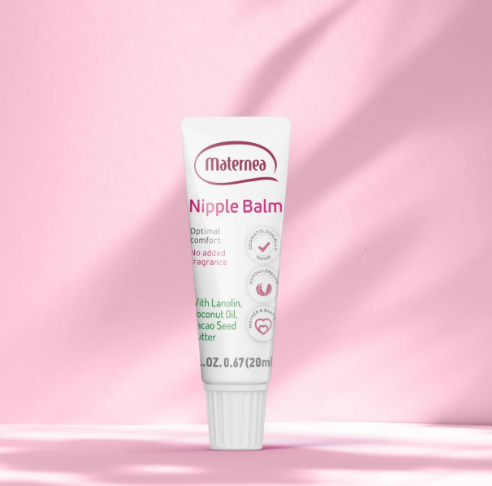
Following childbirth, caring for your body becomes even more critical, especially when it comes to the sensitive skin around your nipples. Understanding how to take care of this area can significantly enhance your breastfeeding experience and promote healing. Let’s explore some essential tips and practices to maintain nipple skin health after birth.
1. Understanding Nipple Sensitivity and Changes
After giving birth, your body undergoes a myriad of changes, and your nipples are no exception. Hormonal fluctuations can result in increased sensitivity, dryness, or even cracking of the skin. These changes can be distressing, particularly for new mothers who may be breastfeeding, making it vital to know what to expect during this transitional phase.
Many women also encounter conditions like sore nipples or minor irritations due to frequent breastfeeding or pumping. These problems can be exacerbated by improper latching or the use of harsh soaps. Being aware of these potential issues and how to address them will equip you for a more comfortable breastfeeding experience.
-
- Recognize the common changes in nipple sensitivity.
-
- Monitor for signs of excessive irritation or infection.
-
- Consult your healthcare provider if you experience persistent pain.
-
- Keep track of any products that may cause irritation.
2. The Importance of Hydration and Moisturization
Proper hydration and moisturization are essential for keeping nipple skin healthy. Dry skin can lead to cracking and discomfort, which may interfere with breastfeeding. Drinking plenty of water and using natural moisturizing lotions or oils can significantly improve skin texture and elasticity.
Opting for natural products, such as coconut oil or lanolin, can offer soothing relief and form a protective barrier over the skin. These products allow for baby-safe feeding while nurturing the sensitive skin around your nipples, making them an excellent choice for postpartum care.
-
- Drink adequate water daily to maintain overall skin hydration.
-
- Apply a natural moisturizer after showering.
-
- Choose products labeled as safe for breastfeeding.
-
- Reapply moisturizers as needed, especially after feeding.
3. Proper Breastfeeding Techniques to Prevent Damage
One significant aspect of nipple care is ensuring that your breastfeeding technique is correct. An improper latch can cause chafing and soreness, leading to more severe issues over time. Ensure that your baby is latched on correctly by seeking guidance from lactation consultants or healthcare professionals.
Taking the time to learn about various breastfeeding positions can also help alleviate pressure on specific areas of the nipple. Experimenting with positions like the football hold, cradle hold, or side-lying can make feeding more comfortable and enjoyable for both you and your baby.
-
- Seek professional help to evaluate your latch technique.
-
- Practice different breastfeeding positions to find what works best.
-
- Use every feeding session as a chance to improve your technique.
-
- Pay attention to your comfort and adjust positions accordingly.
4. Recognizing and Handling Common Issues
Despite your best efforts, you may encounter issues such as cracked nipples, mastitis, or infections. Recognizing these problems early can make a significant difference in your recovery process. Common signs of cracked nipples include pain during breastfeeding and the presence of blood in your milk.
If you experience symptoms of mastitis, like swelling, redness, or flu-like symptoms, it’s essential to contact your healthcare provider right away. Prompt treatment can help prevent more severe complications and will keep your breastfeeding journey on track.
-
- Keep an eye out for any signs of discomfort during or after feeding.
-
- Consult your healthcare provider for guidance on treating cracked nipples.
-
- Stay informed about mastitis signs and act quickly if symptoms arise.
-
- Consider using cold compresses for relief between feedings.
5. Incorporating Regular Self-Care Routines
Developing a self-care routine is crucial not only for your nipple health but for your overall well-being postpartum. Setting aside time for self-care can include anything from gentle massages of the breast area to soaking in a warm bath infused with soothing ingredients like Epsom salts.
Regularly pampering yourself fosters a positive mental state, which can also contribute to better hormone regulation and skin health. As a new mom, finding small moments for yourself can be transformative amidst the busy demands of caring for a newborn.
-
- Create a short daily self-care routine that includes caring for your skin.
-
- Incorporate activities that make you feel good about yourself.
-
- Connect with other new mothers for shared experiences and support.
-
- Allocate time for relaxation and mental well-being.
Nipple skin care after childbirth is vital for both your comfort and your breastfeeding experience. By understanding the changes, practicing proper techniques, recognizing potential concerns, and nurturing yourself, you can create a supportive environment for yourself and your baby. If you have any persistent issues, don’t hesitate to consult a professional for tailored advice and assistance.