
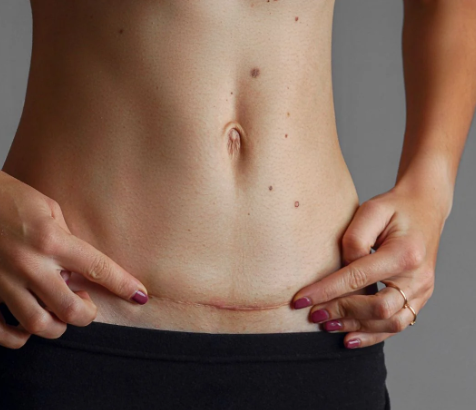
After childbirth, many women experience changes in their bodies, including the formation of scars due to C-sections or episiotomies. Proper postpartum scar care is vital not only for physical healing but also for emotional well-being. Here, we explore actionable tips that can help promote better healing and minimize the appearance of scars.
1. Keep the Area Clean and Dry
One of the most important aspects of postpartum scar care is maintaining cleanliness. After delivery, the affected areas need to be washed gently with soap and water to remove any bacteria that might lead to infection. Ensure that you dry the area thoroughly, as moisture can create an environment for bacteria to thrive, potentially complicating healing.
In addition to cleansing, consider using a gentle, unscented soap to prevent irritation. For stitches, a soft cloth or your hand can help; avoid scrubbing directly on the scar. Keeping the area clean will not only help prevent infection but also support healthy tissue regeneration.
-
- Wash the scar area gently with mild soap and water.
-
- Use a soft towel to pat the area dry—avoid rubbing.
-
- Consider taking a lukewarm bath instead of a hot one to reduce irritation.
-
- Change any dressings regularly if advised by your healthcare provider.
2. Moisturize Carefully
Hydration is key for both internal and external healing. Applying an appropriate moisturizer can keep the skin supple and help with the healing process. Look for products that contain natural ingredients like shea butter or Vitamin E, which are known to enhance skin elasticity and promote tissue repair. However, always consult your healthcare provider before applying anything to a scar.
Regular moisturizing can also reduce itching and discomfort that sometimes comes with healing scars. It’s best to apply the moisturizer after washing the area to lock in moisture. A little goes a long way, so just a small amount can make a big difference in your healing journey.
-
- Choose natural, unscented moisturizers or oils.
-
- Apply the moisturizer to the scar after bathing.
-
- Avoid applying too much; a pea-sized amount is usually sufficient.
-
- Consider massaging the area gently with your fingers while applying the moisturizer.
3. Be Mindful of Your Diet
Your diet plays a crucial role in healing, and focusing on nutrient-rich foods can aid in scar recovery. Incorporate plenty of fruits, vegetables, lean proteins, and whole grains to provide your body with the essential vitamins and minerals it needs. Nutrients like Vitamin C, zinc, and omega-3 fatty acids can significantly enhance the healing process.
Moreover, staying hydrated is equally critical. Drinking plenty of water can promote skin elasticity and overall health, making it easier for your skin to repair itself. If possible, try to avoid processed foods and sugars that can increase inflammation in your body.
-
- Eat a balanced diet rich in fruits and vegetables.
-
- Incorporate lean proteins (chicken, fish, beans) for tissue repair.
-
- Stay hydrated – aim for at least 8 glasses of water daily.
-
- Limit sugar and processed foods to reduce inflammation.
4. Monitor Your Progress
Keeping track of your scar’s progress can help you identify what works best for your healing. Look for any signs of infection, such as redness or increased swelling, and make note of how your scar changes over time. This awareness will empower you to make informed decisions about your care and seek professional advice if needed.
Consider taking photos to document your scar’s appearance periodically. This can give you a visual understanding of your progress and motivate you to adhere to your skincare routine. Additionally, don’t hesitate to reach out to healthcare professionals for support or recommendations tailored specifically to your situation.
-
- Take photos of your scar at regular intervals.
-
- Note any changes, both positive and negative.
-
- Keep a journal of your skincare routine and how your scar reacts.
-
- Consult a healthcare provider if any concerns arise.
Postpartum scar care is essential for physical recovery and emotional well-being. By following these tips, you can aid in the healing process and enjoy your journey into motherhood with confidence. Remember to consult your healthcare provider for personalized advice tailored to your situation.