
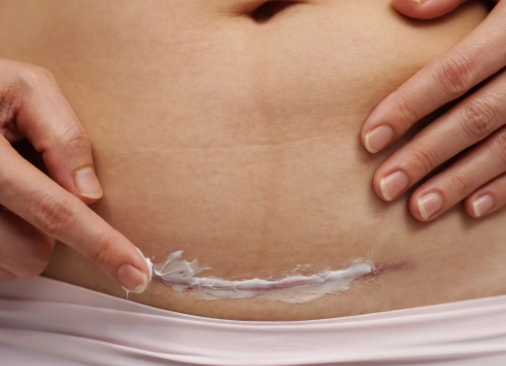
After a cesarean section, many individuals grapple with the physical and emotional aspects of recovery. One significant concern is the appearance and health of the C-section scar. This post will delve into effective ways to care for your C-section scar and promote healing with practical tips and techniques.
1. Understanding Your C-Section Scar
It’s essential to understand that a C-section scar is more than a physical mark; it represents a significant life event. Initially, the scar may appear red and raised, but over time, it usually fades and flattens. Knowing what to expect can help you manage your expectations and focus on proper care.
Moreover, scars may vary based on individual factors, such as skin type, healing process, and surgical technique. Understanding your unique situation can help you identify the most effective strategies for care. Consult with your healthcare provider if you’re unsure about the healing journey of your specific scar.
-
- Recognize that initial redness or swelling is normal.
-
- Monitor for signs of infection, such as increased redness or discharge.
-
- Understand that individual healing times may vary.
-
- Discuss any concerns with a qualified healthcare professional.
2. Best Practices for Scar Care
Proper care of your C-section scar can significantly improve its appearance and promote healing. Keeping the scar clean and moisturized is essential to prevent infection and reduce dryness. Gentle cleansing with mild soap ensures that the area remains free from bacteria while protecting the skin.
After washing, applying a suitable moisturizer helps keep the scar hydrated. Products containing hyaluronic acid, vitamin E, or silicone can be particularly beneficial. Always apply these products gently and never rub the scar too hard, as this can aggravate the area and slow healing.
-
- Use gentle, fragrance-free soap for cleaning.
-
- Update your moisturizing regimen based on skin response.
-
- Apply moisturizing products in a soft, circular motion.
-
- Consider silicone gels or sheets specifically designed for scars.
3. Scar Massage Techniques
Scar massage techniques should be part of your skincare routine, as they can help break down collagen and tissue, reducing the visibility of the scar. Begin massaging gently once your incision has healed sufficiently, usually after about 6-8 weeks. Use your fingers or a soft cloth to apply light pressure to the scar for 5-10 minutes a day.
Effective massage techniques can include circular motions or moving your fingers back and forth across the scar. This not only promotes blood circulation but may also lead to improved elasticity over time. Just be sure to listen to your body and stop if you experience pain or discomfort.
-
- Start massage only after your doctor approves.
-
- Use a gentle, circular motion or straight-line techniques.
-
- Incorporate massage into your daily routine to ensure consistency.
-
- Evaluate your progress and adjust techniques as necessary.
4. Boosting Healing with Nutrition.
The healing process is influenced considerably by what you put in your body. Nutritional choices packed with essential vitamins and minerals can enhance scar recovery. Focus on a balanced diet rich in lean proteins, fruits, and vegetables, which are all pivotal for tissue repair and overall wellbeing.
Foods high in vitamin C, zinc, and omega-3 fatty acids are particularly important as they promote collagen production and improve skin elasticity. Incorporating such foods will help your body recover more effectively from surgery, minimizing the overall appearance of the scar.
-
- Include fish, nuts, and seeds in your diet.
-
- Opt for colorful fruits and vegetables for ample vitamins.
-
- Stay hydrated to support skin elasticity.
-
- Avoid excessive sugar, which can hinder the healing process.
5. Seeking Professional Guidance
While home care is crucial, don’t underestimate the value of professional advice. A dermatologist or a plastic surgeon specializing in scar management can provide tailored recommendations based on your needs. Regular check-ups can help you monitor healing progress and tackle any concerns early on.
Among the options available are advanced treatments like laser therapy, microdermabrasion, or steroid injections that can improve scar appearance. Discuss these options with your healthcare provider and create a treatment plan that fits your unique situation.
-
- Schedule regular follow-ups with your healthcare provider.
-
- Ask about potential treatments, such as laser therapy.
-
- Keep track of your scar’s improvement over time for discussions.
-
- Consider joining support groups for additional advice and experiences.
Caring for your C-section scar requires a balanced approach that combines at-home treatments with professional advice. By following these tips, you can promote healthier healing and improve the overall appearance of your scar. If you experience any unusual symptoms or if you have specific concerns, don’t hesitate to consult a healthcare professional to explore the best options for your recovery journey.