
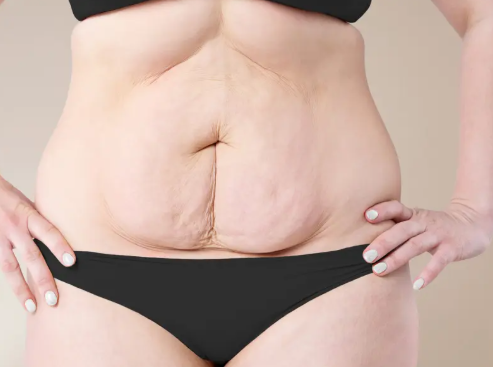
Becoming a mother is a beautiful journey, but the changes your body undergoes, especially around the belly, can sometimes be challenging to navigate. After pregnancy, many women wonder how to care for their skin to promote healing and restore its former elasticity. In this blog post, we’ll discuss practical tips for belly skin care in the postpartum period.
1. Understanding Postpartum Skin Changes
Your skin experiences significant changes during pregnancy due to hormonal fluctuations, stretching, and weight gain. After giving birth, your body begins to readjust, and while this process is natural, it can sometimes lead to issues like stretch marks, loose skin, or dryness. Understanding these changes is essential for creating an effective skin care routine.
Stretch marks, although they affect a large percentage of women, are often a primary concern. These marks occur when the skin stretches rapidly. Post-pregnancy, they may appear red, purple, or brown but can fade to a less noticeable silvery hue over time. Additionally, factors such as hydration and nutrition play a pivotal role in skin recovery. Keeping your skin moisturized and nourished aids in the healing process.
-
- Stay informed about your skin’s changes.
-
- Hydrate your body for skin elasticity.
-
- Consider consulting a dermatologist for personalized advice.
-
- Be patient; healing can take time.
2. Moisturizing and Hydration Tips
Hydration is crucial for restoring your skin’s appearance after pregnancy. A good moisturizer can help replenish lost moisture, especially if your skin feels dry or tight. Look for creams and lotions rich in ingredients like hyaluronic acid, shea butter, or cocoa butter, which are known for their intense hydration properties.
Incorporating oils into your daily routine can also be beneficial. Natural oils such as coconut oil or jojoba oil can help improve elasticity and texture. Just remember to apply products when your skin is still damp from a shower to lock in moisture effectively.
-
- Choose a rich, hydrating moisturizer.
-
- Apply moisturizer twice daily, especially after showering.
-
- Consider using natural oils for added moisture.
-
- Drink enough water daily to hydrate from within.
3. Nutritional Support for Skin Recovery
Your diet plays a vital role in skin health during the postpartum period. Eating a balanced diet rich in vitamins and minerals can promote skin healing and elasticity. Foods high in vitamins A, C, D, and E, as well as omega-3 fatty acids, can significantly benefit your skin.
Consider incorporating more fruits, vegetables, whole grains, and lean proteins into your diet. Avocados, nuts, berries, and fatty fish are excellent choices. Not only will they aid in skin recovery, but they will also enhance your overall well-being. A healthy diet can really help in combating postpartum stress as well.
-
- Focus on whole foods: fruits, vegetables, lean proteins.
-
- Include foods rich in vitamins A, C, and E.
-
- Stay clear of processed foods and excessive sugar.
-
- Consider a multivitamin if recommended by your healthcare provider.
4. Gentle Exfoliation and Treatments
Gentle exfoliation can promote cellular turnover and improve skin texture. However, it’s vital to approach this process delicately, especially in the months following childbirth. Use natural scrubs or exfoliants that won’t irritate sensitive skin.
Additionally, consider treatments like topical retinoids or peels after consulting with a dermatologist. Such treatments can further enhance skin recovery by stimulating collagen production, which improves elasticity and reduces the appearance of stretch marks over time.
-
- Use gentle scrubs or exfoliating products.
-
- Exfoliate no more than once or twice a week.
-
- Consult a dermatologist before using strong treatments.
-
- Test any new products on a small skin area first.
5. Professional Treatments to Consider
If you’re struggling with skin issues after pregnancy, certain professional treatments may help. Options like laser therapy, microdermabrasion, or even firming creams available only via prescription can deliver accelerated results. Consulting with a skincare professional can provide you with tailored advice and suitable treatment plans.
Always ensure you’re fully informed about the procedures and expected outcomes. Some treatments may require downtime, so it’s essential to weigh your options based on your lifestyle and skincare goals. Don’t hesitate to ask your provider about post-treatment care to enhance results.
-
- Research various professional treatments available in your area.
-
- Schedule a consultation with a dermatologist.
-
- Ask about the risks, benefits, and recovery times.
-
- Follow through on any recommended skincare regimen post-treatment.
In conclusion, caring for your belly skin after pregnancy involves a combination of understanding skin changes, staying hydrated, maintaining a balanced diet, and considering professional help as needed. Start incorporating these practices into your routine today, and take the next step towards healthier, glowing skin. Don’t hesitate to reach out to a dermatologist for personalized guidance tailored to your skin’s unique needs.