
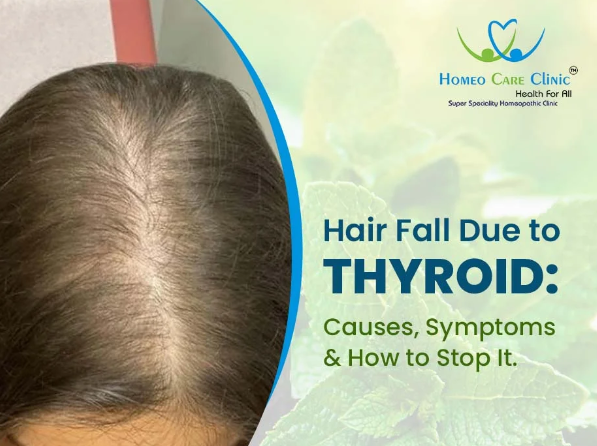
Thyroid hair loss is a concerning issue for many individuals, often linked to an underactive or overactive thyroid. Understanding the relationship between thyroid dysfunction and hair health can empower you to take steps toward addressing these issues. This blog post will delve into the causes, symptoms, and management of hair loss related to thyroid conditions.
1. Understanding Thyroid Health
The thyroid is a butterfly-shaped gland located in the front of the neck, responsible for producing hormones that regulate metabolism, energy levels, and hair growth. When the thyroid is not functioning correctly, it can lead to conditions such as hypothyroidism (underactive thyroid) or hyperthyroidism (overactive thyroid). Both these conditions can significantly impact hair health, causing changes in hair texture, thickness, and growth patterns.
For instance, in hypothyroidism, a lack of thyroid hormones can lead to hair becoming dry and brittle, often resulting in significant hair loss. On the other hand, hyperthyroidism can cause hair to become thin and fine. Understanding your thyroid health through blood tests and medical diagnoses is crucial for addressing hair loss issues effectively.
-
- Consult with a healthcare professional for thyroid testing.
-
- Monitor any symptoms related to metabolism and energy levels.
-
- Maintain an updated health history to share with your doctor.
-
- Ask specific questions about how your thyroid may impact hair health.
2. Recognizing the Symptoms of Thyroid-Related Hair Loss
Thyroid-related hair loss can manifest in various ways. One common indicator is noticeable shedding or thinning of hair. Individuals may observe more hair in their brushes or showers than usual or notice bald patches. Additionally, the quality of hair may decline, leading to texture changes that can be frustrating.
Other symptoms that might accompany thyroid-related hair loss include fatigue, weight fluctuations, and changes in skin texture. These symptoms can serve as warning signs that something may be off with thyroid hormone levels. Recognizing these signs early can facilitate timely intervention and treatment.
-
- Keep track of any unusually high hair shedding.
-
- Note changes in overall energy and weight.
-
- Monitor hair texture and health for unusual changes.
-
- Keep a symptom diary to discuss with your healthcare provider.
3. Addressing Hair Loss with Effective Management Strategies
Managing thyroid-related hair loss requires a multi-faceted approach. One effective strategy is treating the underlying thyroid condition. This can involve medication for hypothyroidism, such as levothyroxine, or antithyroid drugs for hyperthyroidism, both of which can help restore hormone levels to a healthy range.
In addition to medical treatment, incorporating nutrients that promote hair health, such as biotin, zinc, and omega-3 fatty acids, can be beneficial. Regular consultations with healthcare providers can help tailor these strategies to your specific needs, ensuring a comprehensive approach to hair health.
-
- Follow prescribed medication regimens diligently.
-
- Incorporate hair-healthy foods into your diet.
-
- Consider supplements after discussing with a healthcare professional.
-
- Stay informed about the latest research and treatments.
4. Lifestyle Changes to Support Hair Growth
Adopting certain lifestyle changes can also support hair growth during thyroid treatment. Stress management is crucial, as high stress levels can exacerbate hair loss. Techniques such as yoga, meditation, or engaging in hobbies can improve overall well-being and support healthier hair.
Incorporating regular exercise into your routine can enhance circulation and promote healthier hair growth. Additionally, ensuring adequate sleep each night is vital for hormone regulation and overall health. Your daily habits can significantly impact how your body, including your hair, responds to treatment for thyroid issues.
-
- Practice stress reduction techniques regularly.
-
- Engage in moderate exercise several times a week.
-
- Prioritize quality sleep; aim for 7-9 hours each night.
-
- Create a balanced and nutritious meal plan.
-
- Stay hydrated throughout the day.
In conclusion, understanding the link between thyroid health and hair loss is essential for taking proactive steps toward improvement. If you suspect you’re experiencing thyroid-related hair loss, consult with a healthcare professional to evaluate your thyroid function and discuss possible treatments. Taking these steps can empower you to regain control over your hair health.