
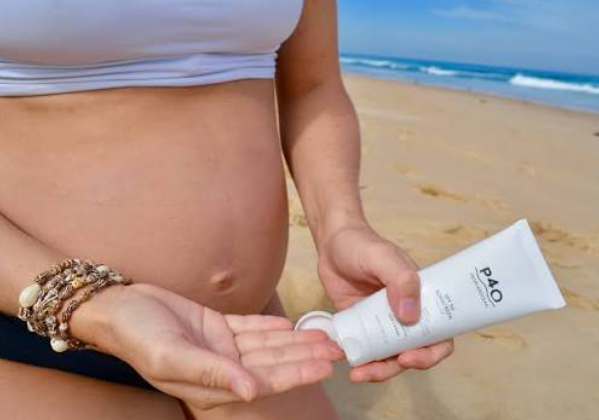
Pregnancy is a beautiful journey, but it also comes with its own set of challenges, particularly when it comes to skin health. One important aspect that pregnant individuals must consider is sun protection. Hormonal changes during pregnancy can make the skin more sensitive and susceptible to sunburn and pigmentation issues.
1. Understanding Skin Changes During Pregnancy
During pregnancy, hormonal fluctuations can lead to increased pigmentation, especially on areas of the skin that are already prone to darkening, such as the face, cheeks, and abdomen. This condition, known as melasma or the “mask of pregnancy,” can be exacerbated by sun exposure. Pregnant individuals may also find their skin becomes more sensitive and can easily react to harsh sun rays.
In addition to pigmentation concerns, increased blood circulation can make some women more prone to sunburn. It’s crucial to approach sun protection with a proactive mindset to shield the skin from potential harm. Ignoring sun protection can lead to long-term skin damage, which is especially concerning when nurturing a new life.
-
- Stay informed about skin changes during pregnancy.
-
- Monitor areas that may darken or become sensitive.
-
- Consult a dermatologist for personalized advice.
-
- Keep track of any skin conditions that develop.
2. Effective Sun Protection Strategies
Wearing broad-spectrum sunscreen is essential during pregnancy. Look for a sunscreen that has an SPF of 30 or higher and protects against both UVA and UVB rays. Apply it generously on all exposed skin, even on cloudy days or indoors, as UV rays can penetrate through windows. Make it a habit to apply sunscreen every two hours, especially after swimming or sweating.
In addition to sunscreen, consider wearing protective clothing as an extra layer of defense. Choose lightweight, long-sleeved shirts, wide-brimmed hats, and sunglasses with UV protection. This can help minimize direct sun exposure and provide additional protection against UV damage, ultimately keeping your skin healthy during this unique time.
-
- Choose a broad-spectrum SPF 30+ sunscreen.
-
- Reapply sunscreen every two hours or after swimming.
-
- Wear protective clothing and accessories.
-
- Seek shade whenever possible, especially during peak hours.
3. Lifestyle Tips for Safe Sun Exposure
While avoiding sunlight completely isn’t practical, finding a balance is key. Aim to limit sun exposure during peak hours, usually between 10 a.m. and 4 p.m., when the sun’s rays are most intense. If you need to be outdoors, try to stay in shaded areas or under an umbrella whenever possible. This simple change can significantly reduce your sun exposure without compromising your outdoor activities.
Hydration is also vital during pregnancy and can play a supportive role in maintaining skin health. Drinking plenty of water helps keep the skin hydrated and may mitigate some ill effects of sun exposure, like sunburn or irritation. Pairing hydration with a good skincare routine will further enhance your skin’s resilience against the sun.
-
- Avoid outdoor activities during peak sun hours.
-
- Increase daily water intake to stay hydrated.
-
- Use soothing, natural skincare products to support your skin.
-
- Engage in indoor exercises or community activities during hot days.
4. When to Consult a Professional
If you experience significant changes in your skin during pregnancy, such as unusual rashes, excessive pigmentation, or severe sunburn, it’s crucial to consult a healthcare provider or dermatologist promptly. These professionals can offer tailored solutions to manage skin conditions effectively. They can also advise on whether specific products and treatments are safe during pregnancy.
Additionally, if you notice any unexpected symptoms or discomfort on your skin, don’t hesitate to bring it up at your next prenatal appointment. Monitoring skin health is an essential aspect of overall wellness during pregnancy, and professional guidance is invaluable in ensuring both maternal and fetal safety.
-
- Document any significant skin changes for discussions with your provider.
-
- Schedule regular skin check-ups during pregnancy.
-
- Ask about safe skincare products for your skin type.
-
- Stay attentive to any itching, swelling, or irritation.
In conclusion, prioritizing sun protection during pregnancy is a vital part of skincare and overall well-being. By taking the necessary steps to protect your skin, you can enjoy your pregnancy more comfortably. Don’t hesitate to reach out to professionals for advice tailored to your individual needs, and start establishing your sun protection routine today!