
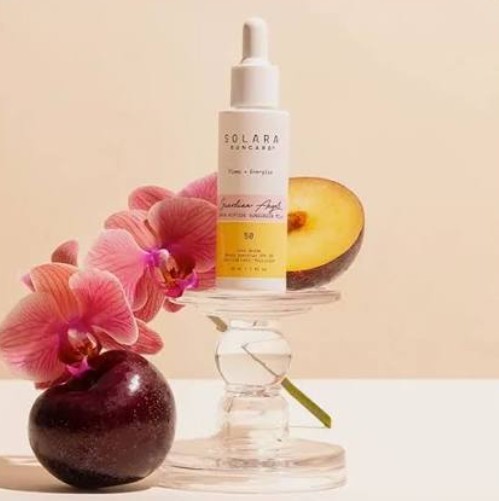
Pregnancy is a beautiful journey, but it comes with unique skin challenges. As a mom-to-be, you should prioritize sun protection to guard your skin against UV rays and potential pigmentation issues. Choosing the right sunscreen for your body is essential for keeping your skin healthy and safe during this transformative time.
1. Understanding The Need for Sunscreen During Pregnancy
During pregnancy, your body undergoes numerous hormonal changes that can make your skin more sensitive. As melanin production increases, some women may experience melasma, or “mask of pregnancy,” which manifests as dark patches on the face and body. Using a pregnancy-safe sunscreen is vital for protecting your skin from sunburn and exacerbating these pigmentation issues.
Not only does sunscreen prevent skin damage, but it also allows for more enjoyable outdoor activities without fear of harmful UV exposure. This is especially important for pregnant women, as enjoying the sunshine in moderation can boost mood and provide Vitamin D, essential for both mom and baby.
-
- Choose broad-spectrum sunscreen for maximum protection.
-
- Look for SPF 30 or higher for effective shielding.
-
- Consider mineral-based ingredients like zinc oxide or titanium dioxide.
-
- Avoid sunscreens with oxybenzone due to potential hormonal disruption.
-
- Reapply sunscreen every two hours, especially if swimming or sweating.
2. Key Ingredients to Look For
When picking a sunscreen, focus on mineral-based options, which are generally deemed safer for pregnant women. Ingredients such as zinc oxide and titanium dioxide create a physical barrier on the skin, reflecting harmful UV rays without being absorbed into the bloodstream. This is crucial for avoiding any potential risks linked to chemical sunscreens.
Besides the active ingredients, consider additional components that can soothe and nourish your skin. Look for hydrating elements like aloe vera or natural oils, which not only provide effective sun protection but can also alleviate the dryness often experienced during pregnancy. Always check the ingredient list to ensure there are no harmful additives.
-
- Opt for mineral-based sunscreens containing zinc oxide or titanium dioxide.
-
- Seek hypoallergenic formulas to minimize irritation.
-
- Check for added moisturizers like aloe or oils for extra hydration.
-
- Avoid products with parabens and synthetic fragrances.
-
- Perform a patch test before full application to check for allergies.
3. Application Tips for Maximum Protection
Proper application of sunscreen is vital to ensure effectiveness. Most people underestimate the amount needed; an adequate amount is typically a shot glass full for your entire body. Apply it generously on all exposed skin areas about 30 minutes before sun exposure to allow it to absorb effectively.
Additionally, don’t forget commonly missed areas such as the tops of your ears, back of your neck, and the feet. Regular reapplication every two hours, or immediately after swimming or sweating, is crucial to maintain protection. It can be beneficial to carry a travel-sized version with you for easy reapplication on-the-go.
-
- Apply sunscreen generously at least 30 minutes before heading outdoors.
-
- Use roughly one ounce (shot glass full) for full-body coverage.
-
- Reapply every two hours, or more frequently if swimming or sweating.
-
- Don’t forget areas like ears and tops of feet.
-
- Keep a small tube in your bag for easy access throughout the day.
4. Alternatives and Additional Sun Protection Measures
If you prefer to limit sun exposure entirely, consider alternative methods of protection. Physical barriers like hats with wide brims and UV-blocking sunglasses can protect your face and eyes from harmful rays. Lightweight long-sleeved clothing can also offer coverage while still allowing your skin to breathe.
Additionally, seeking shade during peak sun hours, typically from 10 a.m. to 4 p.m., can significantly reduce UV exposure. Combine these strategies with sunscreen for an added layer of protection. Remember that even on cloudy days, up to 80% of UV rays can penetrate, so vigilance is necessary at all times.
-
- Wear a wide-brimmed hat for extra facial protection.
-
- Select lightweight, long-sleeved clothing during sunny days.
-
- Utilize UV-blocking sunglasses to shield your eyes.
-
- Avoid sun exposure during peak hours (10 a.m. to 4 p.m.).
-
- Remember that UV rays can penetrate clouds; stay protected daily.
In conclusion, safeguarding your skin with the right pregnancy sunscreen is crucial in protecting both you and your baby. By choosing natural ingredients and practicing effective application methods, you can enjoy your time outdoors without compromising your skin health. Don’t hesitate to consult with a healthcare professional for personalized advice tailored to your unique pregnancy needs.