
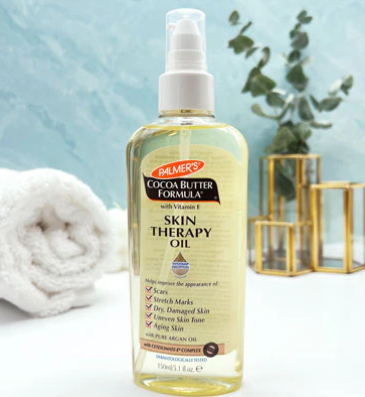
Pregnancy is a beautiful journey, but it also comes with its set of challenges, especially regarding skin care. Many expecting mothers may seek natural solutions to combat common pregnancy-related skin concerns. Body oils can be a soothing addition to your routine, but it’s essential to choose safe options for you and your baby.
1. Understanding Safe Oils
When it comes to body oils during pregnancy, it is crucial to understand the composition of the oils you are considering. Certain essential oils can have strong effects on the body and may not be safe. Oils derived from plants are generally safe, but they must be free from synthetic additives or strong fragrances that could irritate sensitive skin.
Some commonly recommended oils during pregnancy include almond oil, jojoba oil, and coconut oil. Almond oil is rich in vitamin E and is excellent for moisturizing the skin, helping to prevent stretch marks. Jojoba oil closely resembles the natural oils in the skin, making it a great option for hydration without clogging pores. Coconut oil is not only soothing but also has antimicrobial properties that can help prevent infections.
-
- Choose oils that are cold-pressed and organic when possible.
-
- Test a small area on your skin before full application.
-
- Avoid oils with added fragrances or chemicals.
-
- Store oils in a cool, dark place to maintain their efficacy.
2. Essential Oils to Use with Caution
While essential oils can have calming and therapeutic effects, many are not safe for use during pregnancy due to their potency. Oils like peppermint or rosemary, for example, may have stimulating effects that could lead to complications if used inappropriately. Therefore, consulting with a healthcare provider before using essential oils is crucial.
If you do wish to include essential oils in your routine, there are some that are considered safe, such as lavender and chamomile. Lavender oil can help reduce anxiety and enhance relaxation, while chamomile oil is known for its soothing properties. Always dilute essential oils with a carrier oil, like almond or coconut oil, to minimize any potential reactions.
-
- Consult your healthcare provider before using any essential oils.
-
- Stick to essential oils that are commonly deemed safe for pregnancy.
-
- Always dilute essential oils before applying them to the skin.
-
- Be mindful of any allergic reactions; stop use if irritation occurs.
3. Benefits of Using Body Oils During Pregnancy
Using body oils during pregnancy can provide numerous benefits beyond hydration. Oils can help improve skin elasticity, which may reduce the appearance of stretch marks as your belly expands. Additionally, many oils have a calming scent that can enhance your mood, helping you to better manage the emotional highs and lows commonly associated with pregnancy.
Aside from skin benefits, incorporating body oils into your massage routine can provide relaxation and pain relief. A gentle massage can improve circulation, relieve tension from sore muscles, and create a lovely bonding experience between you and your baby. Using a safe body oil during these massages can enhance the soothing experience further.
-
- Incorporate a daily oil application into your skincare routine.
-
- Consider DIY massage for relaxation using gentle techniques.
-
- Experiment with different oils to find what suits your skin best.
-
- Involve your partner in oil application for a bonding experience.
4. When to Avoid Certain Oils
Understanding when to avoid specific oils is as important as knowing which ones are safe. There are certain times during pregnancy when skin is more sensitive, such as during the first trimester or when experiencing stretch marks or skin irritation. It’s also wise to avoid oils known for causing contractions, such as clary sage or birch.
Always pay attention to how your body reacts to any new oil. If you notice signs of irritation, swelling, or any unusual reaction, it’s best to discontinue use immediately. Additionally, keep an open line of communication with your healthcare provider regarding your skincare choices throughout your pregnancy.
-
- Monitor your skin for any changes after applying oils.
-
- Avoid oils that are known for causing contractions.
-
- Replace oils if you experience any negative reactions.
-
- Consult a professional if unsure about the safety of an oil.
In conclusion, body oils can be a beneficial addition to your pregnancy skincare routine if chosen wisely. Always consult with a healthcare provider to ensure you’re using products that are safe for you and your baby. By making informed decisions and listening to your body, you can enjoy the soothing benefits of body oils throughout your pregnancy journey.