
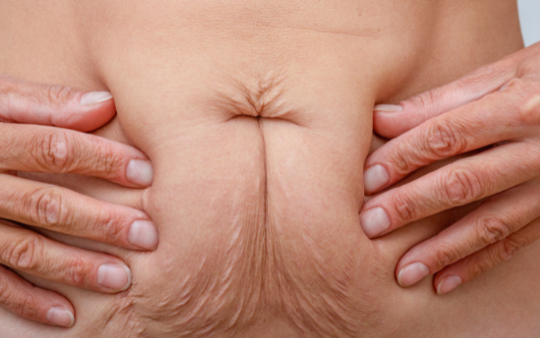
After giving birth, many mothers experience changes in their belly skin, often feeling unsure about how best to care for it. This blog post aims to provide practical and helpful tips on postpartum belly skin care to help new mothers regain their confidence and embrace their journey.
1. Understanding Your Skin Changes
Post-pregnancy, your skin will undergo significant changes. Stretch marks, loose skin, and changes in pigmentation can all occur as a result of the stretching and hormonal fluctuations during pregnancy. It’s important to understand that these changes are entirely normal, and while they may take time to improve, proper care can help ease the transition.
Many women notice that their belly skin loses elasticity after childbirth. Factors like genetics, age, and the amount of weight gained during pregnancy can affect how your skin responds. Knowing the science behind these changes can help you feel more connected to your body and its healing process.
-
- Stay informed about potential changes in your skin.
-
- Consult with a dermatologist if you have concerns.
-
- Keep track of skin symptoms over time.
-
- Acknowledge each change as part of your postpartum journey.
2. Establishing a Skin Care Routine
Creating a consistent skin care routine can make a world of difference. Start with gentle cleansers that don’t strip the skin of its natural oils. Follow up with moisturizers that contain ingredients like hyaluronic acid or shea butter, which can help hydrate and plump the skin.
Exfoliation is also key in your routine, as it removes dead skin cells and promotes new cell growth. You can use physical scrubs or enzyme-based exfoliators a couple of times a week. Just remember not to overdo it; too much exfoliation can irritate your sensitive postpartum skin.
-
- Choose a gentle cleanser suitable for sensitive skin.
-
- Incorporate moisturizers with nourishing ingredients.
-
- Exfoliate weekly but avoid over-exfoliating.
-
- Apply products while your skin is still damp for better absorption.
3. Nutritional Support for Skin Health
Your diet plays an integral role in your skin’s healing process. Consuming a balanced diet rich in vitamins and minerals can provide your skin with the nutrients it needs to repair and rejuvenate. Omega-3 fatty acids, found in fish like salmon and foods such as walnuts, can help improve skin elasticity.
Hydration is equally important, so ensure you’re drinking enough water throughout the day. Foods rich in antioxidants, such as berries and dark leafy greens, can also help combat oxidative stress and promote skin health. Remember, a healthy body supports healthy skin.
-
- Incorporate a variety of colorful fruits and vegetables into your diet.
-
- Consume foods high in essential fatty acids.
-
- Stay hydrated with water and herbal teas.
-
- Limit processed sugars and unhealthy fats.
4. The Role of Professional Treatments
If you find that at-home care isn’t providing the results you hoped for, professional treatments can be beneficial. Options like laser therapy, microdermabrasion, and chemical peels can be effective for addressing issues like stretch marks and uneven skin tone. However, it’s essential to consult with a qualified dermatologist to determine the best approach for your situation.
Some treatments are best started a few months after childbirth to allow your skin to heal and stabilize. Professional advice can provide you with tailored options that suit your skin type and condition. Remember, investing in your skin health is an investment in your overall well-being.
-
- Research potential treatment options that suit your skin’s needs.
-
- Consult with a dermatologist before starting any professional treatment.
-
- Be patient; results can take time and may require multiple sessions.
-
- Follow post-treatment care instructions for optimal results.
5. Embracing Body Positivity
Finally, it’s crucial to embrace body positivity during this transition. Many women find it helpful to celebrate their bodies and the miraculous journeys they have gone through. Instead of focusing solely on flaws, try to appreciate your body for its strength and resilience.
Consider connecting with supportive communities—be it in-person or online. Sharing experiences and challenges can provide comfort and build a sense of solidarity. Remember, every woman’s postpartum journey is unique, and your self-love is vital in this process.
-
- Practice positive affirmations about your body.
-
- Engage with supportive friends, family, or communities.
-
- Set realistic expectations for your postpartum body.
-
- Document your journey with photos or journaling.
In conclusion, taking care of your postpartum belly skin involves understanding your body’s changes, establishing a solid skincare routine, nourishing your body, considering professional treatments, and embracing body positivity. Start by setting small, achievable goals and consult with a professional to create a personalized plan that fits your postpartum needs.