
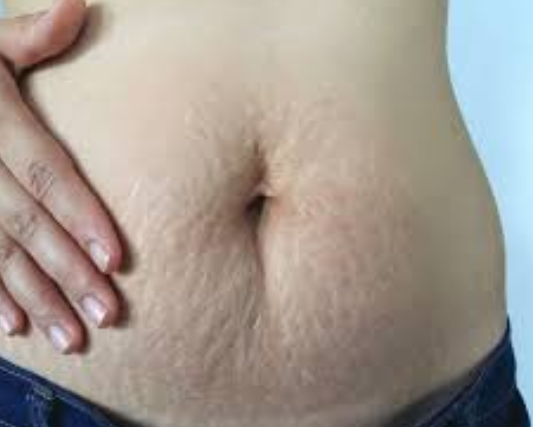
After childbirth, many women notice stretch marks as a common yet unexpected side effect of pregnancy. While these marks are entirely normal, post-pregnancy care can help improve their appearance and maintain skin health. Here’s everything you need to know to care for your skin during this transformative period.
1. Understanding Stretch Marks
Stretch marks, also known as striae or striae gravidarum, occur when the skin is stretched rapidly, leading to the breakdown of collagen and elastin fibers in the dermis. Initially, these marks may appear as red, purple, or dark brown streaks, but they often fade to a lighter color over time. Understanding the biology behind stretch marks can empower you to treat them more effectively.
Several factors contribute to the development of stretch marks, including genetics, skin type, and weight changes. While some women might be more prone to developing them during pregnancy, recognizing that they are a common occurrence can help normalize the experience. Remember, you’re not alone in this, and your body is adapting to its new role as a mother.
-
- Embrace your body’s changes; stretch marks are a testament to your strength.
-
- Consult with healthcare providers to understand your skin better.
-
- Stay hydrated; this can improve the elasticity of your skin.
-
- Consider keeping a journal to track changes in your skin’s appearance.
2. Effective Cares and Treatments
After childbirth, several treatments can be used to manage the appearance of stretch marks. Topical treatments, such as creams containing hyaluronic acid, tretinoin, or almond oil, may promote healing and improve skin texture. It is important to apply these treatments consistently and follow the manufacturer’s instructions for the best results.
Professional treatments like laser therapy and microdermabrasion are other options to consider after consulting with a dermatologist. These methods can help enhance collagen production and improve skin tone and texture. While they can be more costly, they may provide results more quickly than at-home treatments.
-
- Use creams and oils daily at least twice a day for the best results.
-
- Consult a dermatologist to discuss the right treatment for your skin type.
-
- Investigate laser therapy if you’re looking for more immediate results.
-
- Be patient; skin regeneration takes time.
3. Lifestyle Adjustments for Prevention
Preventing further stretch marks involves maintaining skin elasticity through various lifestyle changes. A balanced diet rich in vitamins A, C, and E, as well as omega fatty acids, can help support skin health. Foods like avocados, nuts, and leafy greens not only nourish the body but also enhance skin resilience.
Regular exercise plays a vital role as well. Keeping fit helps improve blood circulation and provides those much-needed nutrients to your skin. Focus on exercises that build strength and flexibility, such as yoga or pilates, which can also be beneficial for postpartum recovery.
-
- Incorporate a variety of colorful fruits and vegetables into your diet.
-
- Apply sunscreen to protect your skin from UV damage.
-
- Stay active with regular workouts that you enjoy.
-
- Ensure adequate sleep to promote skin repair.
4. Emotional Well-being and Acceptance
While addressing your physical needs is important, it’s crucial to also focus on your emotional well-being. Stretch marks can be a source of insecurity for many women, particularly after childbirth. Take the time to practice self-love and acceptance, understanding that your body has achieved something remarkable.
Engaging with supportive communities can also help you navigate feelings associated with body image. Sharing experiences and tips with fellow mothers can create a sense of camaraderie and support. Remember that everyone experiences changes, and it is vital to embrace your journey.
-
- Surround yourself with supportive friends and family who uplift you.
-
- Practice positive affirmations; remind yourself of your body’s strength.
-
- Consider therapy or support groups if emotional struggles arise.
-
- Find inspiration in others who share the same journey.
Postpartum stretch mark care can feel overwhelming, but understanding your skin, employing practical treatments, and fostering emotional well-being can make a significant difference. Take charge of your postpartum journey and remember, consulting a professional can provide tailored advice just for you. Embrace your unique experience, and take the first steps towards self-care today.