
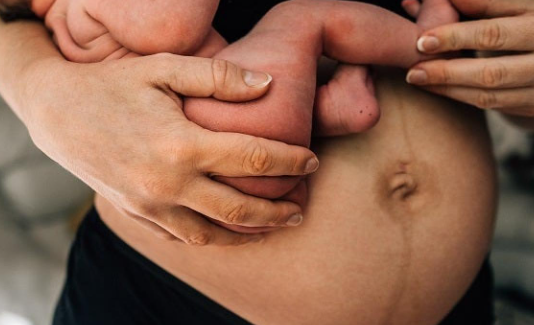
Giving birth is a monumental experience, not just for the baby, but for the mother too. As you transition into motherhood, it’s crucial to prioritize body care, ensuring that you heal and adapt to this new chapter in your life.
1. Understanding Physical Changes
After giving birth, your body will undergo numerous physical changes that can impact how you feel both physically and emotionally. Common changes include breast engorgement, postpartum bleeding, and fluctuations in weight. Recognizing these changes helps you take proactive steps to address them, whether through appropriate care or seeking medical advice.
Also, hormonal shifts can cause mood swings and emotional vulnerability. Understanding that these feelings are part of the postpartum journey can alleviate some stress. It’s helpful to talk to other mothers or professionals about your experiences to gain new insights and coping strategies.
-
- Monitor any unusual symptoms, like excessive bleeding or severe pain.
-
- Keep track of your weight to ensure it’s within a healthy range.
-
- Talk to your healthcare provider about emotional changes you may experience.
-
- Consider joining a support group for new mothers to share your journey.
2. Developing a Care Routine
Creating a body care routine post-birth is essential for both physical recovery and mental well-being. This involves hydration, balanced nutrition, and regular light exercises that can aid in faster healing. Focus on rest periods combined with brief activities that promote circulation and well-being. Simple walks can work wonders in lifting your mood and enhancing physical health.
Incorporating relaxation techniques, such as yoga or meditation, can also be beneficial. They help to combat stress and anxiety which may arise during the postpartum period. This holistic approach addresses both your physical recovery and your mental health, guiding you toward a smoother transition into motherhood.
-
- Drink plenty of water every day to stay hydrated.
-
- Maintain a balanced diet rich in fruits, veggies, and proteins.
-
- Engage in light exercises, such as postpartum yoga, to encourage healing.
-
- Schedule moments of relaxation or self-care, even if brief.
3. Addressing Skin and Hair Care
Changes in your skin and hair after giving birth can be surprising and sometimes frustrating. Many women experience skin conditions like acne or stretching due to hormonal changes. Establishing a good skincare routine can improve skin texture and tone, as it helps to soothe irritation and promote healing.
Regarding hair care, postpartum hair loss is common due to hormonal fluctuations. It can be shocking when you see clumps of hair falling out, but it’s usually temporary. Using nourishing products and being gentle while combing can help manage this phase effectively.
-
- Use mild cleansers and moisturizers to care for your skin.
-
- Apply sunscreen daily to protect against UV rays.
-
- Opt for gentle hair care products, and avoid tight hairstyles.
-
- Consider a vitamin supplement tailored for postpartum recovery.
4. Prioritizing Mental Health
It’s natural to feel overwhelmed during the postpartum period, so prioritizing mental health cannot be overstated. Many new mothers face challenges like postpartum depression or anxiety, which can significantly impact their well-being and parenting. Recognizing the signs early is key to getting the help you need.
Establishing a support system involving friends, family, or mental health professionals can make a difference. Conversations with other mothers about your feelings can validate your experiences and offer solutions. Prioritizing mental health is as vital as focusing on physical health, and it sets a solid foundation for your new family life.
-
- Keep a journal to express your feelings and track your mental state.
-
- Schedule regular check-ins with a mental health professional if needed.
-
- Engage in activities that you enjoy and take time without the baby.
-
- Connect with other new mothers for shared experiences and support.
Navigating the postpartum period can be challenging, but prioritizing your body care is crucial for your recovery and enjoyment of motherhood. By understanding your physical changes, developing a care routine, and addressing mental health, you’re laying the groundwork for both your well-being and your baby’s development. Don’t hesitate to seek professional guidance to help you through this transformative time.