
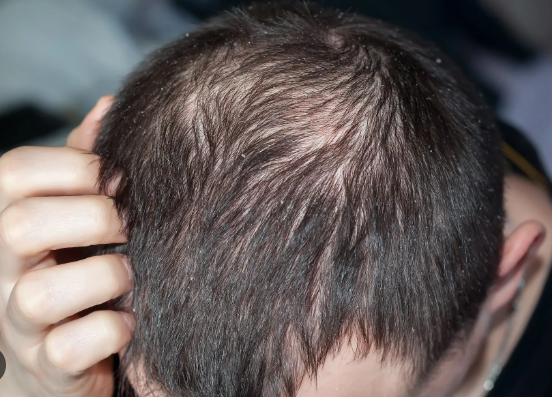
Dandruff is often dismissed as merely a nuisance, but it can be a sign of deeper issues, especially when it comes to hair loss. Understanding the connection between dandruff and hair loss is crucial for effective treatment and prevention.
1. How Dandruff Can Contribute to Hair Loss
Dandruff is primarily caused by an overgrowth of a yeast-like fungus called Malassezia. This fungus thrives on the scalp and feeds on oils produced by hair follicles. The resulting inflammation can damage hair follicles over time, leading to thinning and hair loss. It’s important to note that not everyone with dandruff will experience hair loss, but for some, the two issues are closely linked.
<pFurthermore, scratching can exacerbate the problem. People often itch or scratch their scalps in response to irritation caused by dandruff. This mechanical damage can cause hair to be prematurely shed and may impede new growth. Therefore, addressing dandruff early on can be instrumental in minimizing the risk of hair thinning.
-
- Practice gentle scalp care; avoid scratching.
-
- Use anti-fungal shampoos as recommended.
-
- Consult a dermatologist for persistent dandruff.
-
- Maintain a balanced diet rich in omega-3 fatty acids.
-
- Stay hydrated to keep your scalp healthy.
2. Effective Treatments for Dandruff-Related Hair Loss
Addressing dandruff effectively can help mitigate related hair loss. Over-the-counter shampoos containing active ingredients like ketoconazole, zinc pyrithione, and coal tar can help control fungus and reduce flaking. Regular use of these shampoos can provide significant relief, as well as support hair follicle health over time.
For those who prefer natural remedies, tea tree oil and apple cider vinegar have been shown to reduce dandruff symptoms. However, it’s vital to dilute them before applying to avoid irritation. If these treatments do not yield results within a few weeks, it is advisable to consult a healthcare provider for further evaluation and prescription options.
-
- Choose shampoos with proven anti-dandruff ingredients.
-
- Incorporate tea tree oil or apple cider vinegar into your routine.
-
- Consider a consultation with a dermatologist.
-
- Be consistent with your treatment to see results.
3. Lifestyle Changes to Prevent Dandruff and Hair Loss
Managing stress is a significant factor in maintaining a healthy scalp and hair. High-stress levels can worsen dandruff symptoms and contribute to hair loss. Engaging in regular exercise, practicing mindfulness, and ensuring sufficient sleep can help reduce stress and subsequently improve scalp health.
Additionally, a well-balanced diet plays a pivotal role in the health of both your hair and skin. Foods that are rich in vitamins B and E, along with minerals like zinc and omega-3 fatty acids, can promote healthy hair growth and help keep your scalp nourished. Foods such as nuts, fish, vegetables, and fruits should be staples in your diet for best results.
-
- Engage in stress-relieving activities like yoga.
-
- Incorporate a nutrient-rich diet focused on hair health.
-
- Drink plenty of water daily.
-
- Limit the use of heat-styling tools.
4. When to Seek Professional Help
While dandruff is often manageable at home, there are times when it’s essential to seek professional advice. If your dandruff is severe or persists despite treatment, it could indicate a more significant condition like seborrheic dermatitis or psoriasis, which may require specialized treatment.
Additionally, if you are experiencing significant hair loss or thinning, a dermatologist can help diagnose the issue, suggest appropriate treatments, and create a tailored hair care regimen. Early intervention can make all the difference in preserving your hair and achieving a healthy scalp.
-
- Monitor the severity of your dandruff and hair loss.
-
- Seek professional advice if symptoms worsen.
-
- Consider scalp biopsies if underlying conditions are suspected.
-
- Follow through on prescribed treatments for best outcomes.
In conclusion, understanding the relationship between dandruff and hair loss is key to effective treatment. Whether you opt for over-the-counter solutions, lifestyle changes, or professional care, taking action is a vital first step. Don’t hesitate to consult a dermatologist if you are struggling with persistent symptoms.