
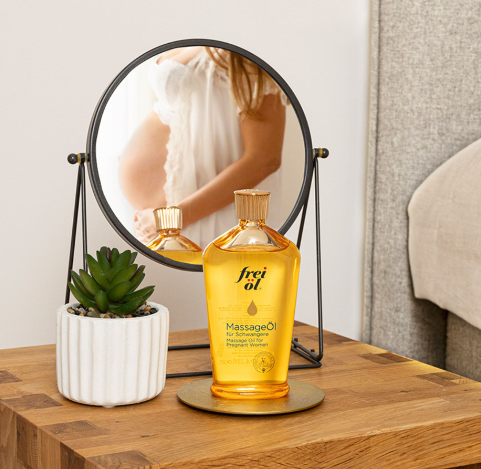
Pregnancy can be a beautiful journey, but it also comes with its share of discomforts. Many expectant mothers seek relief through massage, and the right massage oil can enhance that experience. In this post, we will explore everything you need to know about choosing pregnancy-safe massage oils.
1. Understanding the Importance of Pregnancy-Safe Oils
During pregnancy, women face numerous physical changes that can lead to aches and pains. Certain essential oils may help alleviate these discomforts, but it is crucial to choose products that are safe for both the mother and the baby. Many oils contain compounds that can cause adverse reactions, making it vital to do thorough research before incorporating any oil into your massage routine.
Pregnancy-safe oils typically consist of natural ingredients that are gentle on the skin. Ingredients like sweet almond, jojoba, and coconut are excellent choices because they are rich in vitamins and provide hydration. Remember to conduct a patch test when trying any new oil to ensure you don’t have an allergic reaction.
-
- Always research the oil before using it.
-
- Opt for oils that are cold-pressed and organic.
-
- Check ingredient labels for allergens.
-
- Consult a healthcare provider if unsure about specific oils.
2. Essential Oils to Avoid During Pregnancy
While some essential oils can be beneficial, others pose risks during pregnancy. Oils such as sage, rosemary, and thyme can trigger contractions or lead to other complications. Being aware of which oils to avoid is vital in maintaining a safe and healthy pregnancy environment.
Additionally, even commonly used oils like peppermint and eucalyptus should be used with caution. Always consult with a healthcare provider before using any new oils, especially if you have specific health conditions or a history of complications during pregnancy. It’s also essential to consider how oils are applied—some can be irritating to the skin if not diluted properly.
-
- Avoid using essential oils like sage and rosemary.
-
- Limit the use of highly concentrated oils.
-
- Stay informed about potential side effects.
-
- Use oils sparingly and always diluted with a carrier oil.
3. Best Carrier Oils for Pregnant Women
Carrier oils are an essential element when mixing essential oils for massage. They not only dilute the more concentrated essential oils but also offer therapeutic benefits of their own. Some of the most popular carrier oils for pregnant women include sweet almond oil, jojoba oil, and coconut oil.
Sweet almond oil is particularly beneficial due to its nourishing properties that help improve skin elasticity, which can potentially minimize stretch marks. Jojoba oil closely resembles the natural oils in our skin, making it an excellent choice for hydration. Coconut oil’s anti-inflammatory attributes also make it soothing, especially if you’re dealing with conditions like itchy skin or rashes.
-
- Choose organic carrier oils whenever possible.
-
- Look for light, easily-absorbed oils.
-
- Mix essential oils with carrier oils in appropriate ratios.
-
- Store oils in a cool, dry place to maintain their quality.
4. How to Choose a Safe Pregnancy-Safe Massage Oil
Choosing the right massage oil can significantly enhance the relaxation and relief you experience. Start by looking for products specifically marketed as pregnancy-safe. These formulations usually undergo rigorous testing to ensure safety.
When assessing massage oils, check the ingredient list to eliminate any harmful substances. Ideally, the oil should be free from synthetic fragrances, parabens, and artificial additives. It’s often helpful to read customer reviews to gauge other users’ experiences, especially those who used it during pregnancy.
-
- Look for products labeled as pregnancy-safe.
-
- Read product reviews and testimonials.
-
- Check for certifications, such as organic or allergen-free.
-
- Inquire about the sourcing and manufacturing process.
5. Tips for Using Massage Oils During Pregnancy
Once you’ve selected the perfect massage oil, it’s time to incorporate it into your routine safely. Start with small amounts and apply a patch test to check for any adverse reactions. When performing a massage, gentle pressure is key—focus on areas like the lower back and neck where discomfort often resides.
Consider involving a partner or a professional massage therapist experienced in prenatal massage. If opting for a DIY approach, ensure that the environment remains calm and relaxing. Soft lighting, soothing music, and comfortable positioning can enhance the overall experience, turning a simple massage into a sacred ritual of self-care.
-
- Always perform a patch test before wider application.
-
- Focus on areas with the most discomfort.
-
- Create a relaxing environment for the best experience.
-
- Consider seeking professional help for deeper relaxation.
In conclusion, making informed choices about pregnancy-safe massage oils can significantly enhance your well-being during this transformative time. Take the next step by consulting with a healthcare provider or a qualified massage therapist and find a routine that brings you comfort and joy. Your body deserves this special attention and care.