
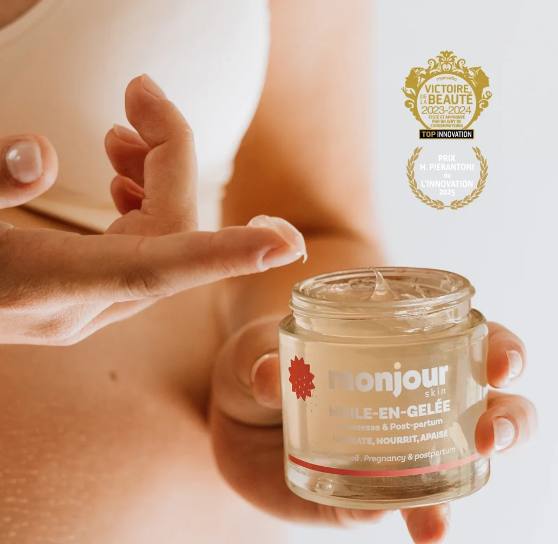
After giving birth, many women seek ways to care for their postpartum bodies. One effective method is through the use of postpartum body massage oil, which can help soothe sore muscles, enhance relaxation, and promote skin healing. In this blog post, we will explore the benefits, ingredients, and application techniques associated with postpartum body massage oil.
1. Benefits of Postpartum Body Massage Oil
Postpartum body massage oil can play a crucial role in recovery after childbirth. One of its most significant benefits is its ability to help relieve tension and soreness. Many new mothers experience physical discomfort from labor and delivery, and a gentle massage with nourishing oils can provide relief to aching muscles and ease overall body tension. Moreover, the act of massage itself promotes relaxation, which can be particularly beneficial for managing postpartum stress and anxiety.
Beyond physical relief, postpartum body massage oil aids in skin recovery. Childbirth often stretches the skin, which can lead to dryness and irritation. Oils like jojoba, almond, and coconut not only moisturize but also promote elasticity, helping to reduce the appearance of stretch marks. Incorporating massage oil into a daily routine may boost both physical and emotional wellness during the challenging postpartum period.
-
- Consider oils high in vitamins E and A for skin repair.
-
- Use oils with calming scents, such as lavender, for relaxation.
-
- Incorporate massage from the first weeks postpartum for the best results.
-
- Pair massage oil with gentle stretching to enhance benefits.
2. Essential Ingredients for Effective Massage Oil
Choosing the right ingredients for your postpartum body massage oil is essential for maximizing its benefits. Natural oils like sweet almond, jojoba, and olive oil are excellent choices as they are rich in nutrients and easily absorbed by the skin. Each of these oils not only hydrates the skin but also has anti-inflammatory properties, important for recovery during the postpartum period. Additionally, essential oils such as lavender and chamomile can provide calming effects and promote restful sleep, which is often elusive for new mothers.
It’s also wise to pay attention to the overall quality of the oils you choose. Look for cold-pressed, organic oils whenever possible to ensure that you’re getting the most nutrients without any harmful additives. You could also create custom blends tailored to your specific needs, mixing carrier oils with your chosen essential oils for a personalized touch that caters to your body’s recovery journey.
-
- Choose cold-pressed, organic oils for higher quality.
-
- Mix carrier oils with essential oils for customized blends.
-
- Opt for calming essential oils to soothe postpartum emotions.
-
- Test for allergies before using any new products.
3. Techniques for Application and Use
Applying postpartum body massage oil requires some basic techniques to yield the best results. Start by warming the oil slightly in your hands before applying it to your skin. This not only enhances the absorption but also creates a soothing sensation that can aid in relaxation. Use gentle, circular motions, focusing on areas that feel particularly sore or tight. These techniques not only help your body relax but also allow optimal penetration of the oils into your skin.
Incorporating breathing exercises during your massage can amplify the relaxation experience. Take slow, deep breaths, inhaling through the nose and exhaling through the mouth as you massage each area. This mindfulness practice encourages a deeper connection to your body, helping you tune into areas that may need extra attention. Consistency is key; setting aside a few minutes each day or several times a week can significantly enhance the benefits of your postpartum body massage oil.
-
- Warm the oil in your hands before applying it.
-
- Use gentle, circular motions focused on sore areas.
-
- Incorporate deep breathing for a more relaxing experience.
-
- Establish a routine for regular massages to maintain benefits.
In conclusion, postpartum body massage oil can be a delightful and therapeutic addition to your self-care routine. Not only does it support physical recovery, but it also nurtures emotional well-being during the postpartum phase. Consider trying different oils, techniques, and perhaps even consulting with a professional massage therapist to optimize your experience. Remember, every step you take towards self-care is a step towards overall wellness.