
The postpartum period is a joyful yet challenging time, with significant changes occurring in a woman’s body, including the skin. Many new mothers experience a variety of skin changes that can be surprising or concerning, but understanding these changes can make the transition smoother.
1. Hormonal Fluctuations and Their Impact on Skin
After giving birth, a woman’s body undergoes a significant surge and eventual drop in hormones, particularly estrogen and progesterone. These fluctuations can lead to various skin conditions such as acne, melasma, or even dryness. For instance, some women notice an increase in oiliness and breakouts due to the postpartum surge of androgens, which can stimulate sebaceous glands.
Additionally, melasma, often characterized by brown patches on the face, can also flare up postpartum, particularly in women who experienced it during pregnancy. This condition is influenced by hormonal shifts and can become more pronounced with sun exposure. Understanding these hormonal changes helps in managing expectations regarding skin health after childbirth.
-
- Monitor your skin for changes and adapt skincare habits accordingly.
-
- Consider consulting a dermatologist for persistent or severe skin issues.
-
- The use of a broad-spectrum sunscreen can help reduce melasma.
-
- Stay hydrated, as it helps to manage skin texture.
-
- Maintain a balanced diet to support skin health.
2. Stretch Marks and Skin Elasticity
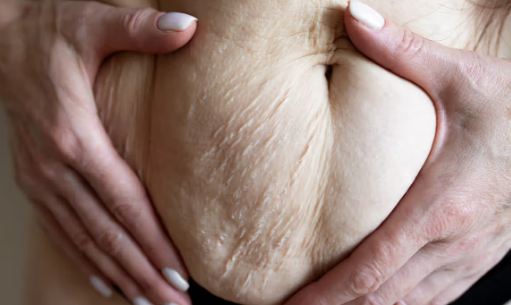
Many women struggle with stretch marks post-delivery, which occur when the skin stretches rapidly during pregnancy. These marks can appear as red, purple, or silver lines, primarily on the belly, hips, and thighs. While they are a natural part of the postpartum experience, many women hope to minimize their appearance and improve skin elasticity.
To help reduce the visibility of stretch marks, incorporating moisturizers and topical treatments rich in vitamin E or hyaluronic acid may prove beneficial. While complete removal is often not possible, regular massaging of the affected skin can improve circulation and potentially reduce their appearance over time. Consistency in skincare is key to managing stretch marks effectively.
-
- Use thick moisturizers or oils daily on the affected areas.
-
- Consider products containing retinoids if breastfeeding is not a concern.
-
- Stay active to enhance skin elasticity through increased blood flow.
-
- Consult your doctor about treatments like laser therapy for persistent marks.
-
- Practice patience, as stretch marks often fade over time.
3. Increased Sensitivity and Conditions like Eczema
Postpartum skin can become unusually sensitive due to hormonal changes, fatigue, and stress. Some women find that conditions like eczema or psoriasis flare up for the first time or worsen after giving birth. These conditions can manifest as red, itchy patches and may require more attentive care than usual.
Managing sensitive skin during the postpartum period involves using gentle, fragrance-free products and establishing a consistent skincare routine. A mild cleanser and a daily fragrance-free moisturizer can make a significant difference. Additionally, identifying triggers such as stress or allergens will help in creating a more stable environment for recovering skin.
-
- Choose products labeled “hypoallergenic” for your skincare routine.
-
- Keep stress levels in check with relaxation techniques.
-
- Consult with a healthcare professional for necessary treatments.
-
- Track skin reactions to pinpoint specific triggers.
-
- Introduce new products gradually to observe for any negative reactions.
Postpartum skin changes can be daunting, but being informed and proactive allows new mothers to manage their skin health effectively. By understanding the interconnections between hormonal fluctuations, skin elasticity, and sensitivity, new moms can cultivate a skincare routine that supports their well-being during this transformative time.
If you’re experiencing concerning skin changes, don’t hesitate to consult a dermatologist or healthcare provider. Starting a dedicated skincare routine tailored to postpartum needs can make all the difference. Remember, your skin is adjusting; give it the care and time it deserves!