
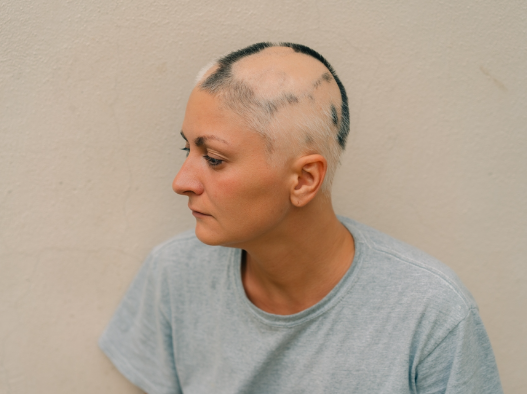
Alopecia areata is an autoimmune disorder that results in unexpected hair loss. This condition can affect individuals of all ages and can manifest suddenly, leading to varying degrees of hair loss, including patchy areas on the scalp or even complete baldness. Understanding alopecia areata is essential for those affected and their loved ones, as awareness and intervention can significantly aid in the management of this condition.
1. Understanding Alopecia Areata
Alopecia areata occurs when the immune system mistakenly attacks hair follicles, leading to hair loss. The exact cause of this condition remains unclear, but genetics and environmental factors may play significant roles. Most commonly, people experience small, round patches of hair loss that may grow back on their own but can also recur over time.
The severity of alopecia areata can vary widely among individuals. Some may notice only a few bald patches, while others may lose hair on larger areas or even experience alopecia totalis, which results in complete scalp hair loss, or alopecia universalis, affecting all body hair. Understanding the different types of alopecia can help in recognizing the symptoms early and seeking appropriate treatment.
-
- Learn about the types of alopecia areata: patchy, totalis, and universalis.
-
- Monitor hair loss patterns and note changes.
-
- Consider genetics: Look into your family history with hair loss.
-
- Consult with a healthcare professional for diagnosis.
2. Treatment Options for Alopecia Areata
Currently, there is no cure for alopecia areata, but several treatment options can help stimulate hair regrowth and manage symptoms. Corticosteroids are often prescribed to reduce inflammation and suppress the immune response, which can help in hair regrowth. These may be administered through injections, topical ointments, or oral medications, depending on the individual’s specific case.
Additional therapies, such as Minoxidil (a topical solution), can promote hair growth in some patients. For individuals experiencing more extensive hair loss, wigs or hairpieces may be practical and empowering alternatives. It’s essential to consult a dermatologist to tailor a treatment plan that best suits your needs.
-
- Discuss treatment options with your healthcare provider.
-
- Maintain a realistic expectation regarding treatment effectiveness.
-
- Keep track of your responses to treatments over time.
-
- Consider joining support groups for emotional encouragement.
3. Coping with Alopecia Areata Emotionally
The emotional impact of alopecia areata can be profound, affecting self-esteem and social interactions. Many individuals may experience anxiety or depression as a result of their changing appearance. It’s important to acknowledge these feelings and seek support from friends, family, or mental health professionals.
Engaging in open conversations about alopecia can also foster understanding and reduce stigma. Many people find that sharing their experiences can alleviate feelings of isolation. Writing about your journey, whether in a journal or a blog, can be therapeutic and provide insights into your emotional resilience.
-
- Talk to friends or family about your feelings.
-
- Consider counseling or therapy for professional support.
-
- Participate in online support forums.
-
- Share your story to help others understand.
In conclusion, living with alopecia areata requires a comprehensive understanding of the condition and various coping mechanisms. Staying informed, seeking professional guidance, and connecting with support networks can empower individuals to manage their hair loss journey better. If you or someone you know is facing alopecia areata, take the next step into exploring treatment options and emotional support resources.