
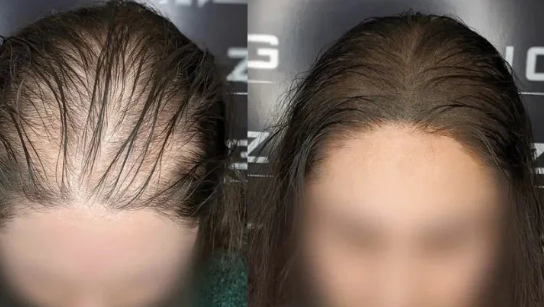
Female pattern hair loss is a common yet often misunderstood condition affecting many women. It can lead to feelings of self-consciousness and frustration as hair thinning alters one’s appearance. Understanding the causes, symptoms, and potential treatments can empower women facing this challenge.
1. Understanding the Causes of Female Pattern Hair Loss
Female pattern hair loss, also known as androgenetic alopecia, is primarily influenced by genetic factors. If your mother or grandmother experienced thinning hair, there’s a chance you might too. This condition is characterized by a gradual thinning of hair, usually starting at the crown and top of the head. Hormonal changes, particularly relating to androgens—hormones that influence hair growth—also play a pivotal role.
In addition to genetics and hormones, other factors may contribute to hair loss, such as stress, nutritional deficiencies, and medical conditions like thyroid issues. Stress can trigger hair loss through a condition known as telogen effluvium, where hair follicles enter a resting phase and fall out more readily. A balanced diet, including vitamins and minerals, is crucial to maintaining healthy hair.
-
- Discuss family history of hair loss with your doctor.
-
- Monitor hormonal changes, especially during menopause.
-
- Identify any significant stressors in your life.
-
- Consider including supplements rich in biotin and zinc.
2. Recognizing the Symptoms of Female Pattern Hair Loss
Recognizing the symptoms of female pattern hair loss can empower you to seek help early. Unlike men, women often experience a general thinning rather than a receding hairline. The parting of the hair may start to look wider, and you might notice more hair falling out during brushing or washing. This gradual change can be distressing and may lead to decreased self-esteem.
It’s essential to note that hair loss can be gradual and may go unnoticed until it becomes pronounced. Tracking your hair density over time can help you recognize patterns. Look for changes in the volume, thickness, or overall health of your hair as early indicators of potential issues.
-
- Keep a hair diary to track changes in hair density.
-
- Examine your scalp regularly for thinning patches.
-
- Take notice of the amount of hair you lose daily.
-
- Consult online resources or forums for supportive communities.
3. Exploring Treatment Options for Female Pattern Hair Loss
When facing female pattern hair loss, various treatment options can help mitigate symptoms. Over-the-counter topical treatments, like minoxidil, can stimulate hair growth and slow hair loss for some women. Other options include prescription medications that target hormonal causes of hair loss, such as spironolactone, which is particularly effective for younger women experiencing thinning due to hormonal imbalances.
In addition to medications, alternative treatments like laser therapy have gained popularity in promoting hair regrowth. This non-invasive option uses low-level lasers to stimulate hair follicles. Women might also explore more natural solutions, such as essential oils and herbal supplements, which have shown promise in promoting hair health.
-
- Consult a dermatologist for personalized advice.
-
- Consider participating in clinical trials for new treatments.
-
- Keep up with the latest hair restoration products.
-
- Discuss the possibility of hair transplant surgery if applicable.
In conclusion, while female pattern hair loss can be distressing, understanding its causes and available treatments can help. If you’re experiencing hair thinning, consider consulting a healthcare professional to explore the best options for you. Taking proactive steps now can make a significant difference in your hair health and overall confidence.