
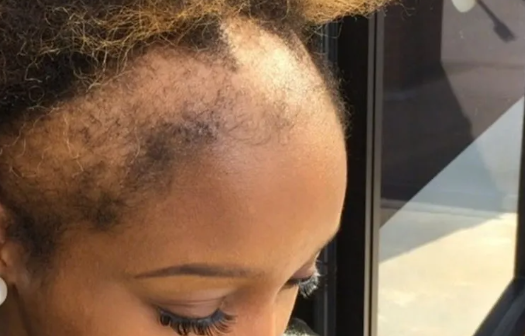
Traction alopecia is a form of hair loss that results from excessive tension on the hair follicles. This condition is often caused by certain styling practices and can affect anyone, though it is particularly prevalent among those who regularly wear tight hairstyles. Understanding the causes, symptoms, and prevention of traction alopecia is essential for anyone who wants to maintain healthy hair.
1. Understanding Traction Alopecia
Traction alopecia occurs when hair is pulled too tightly for prolonged periods, which leads to damage and eventual hair loss. This commonly happens with hairstyles like tight braids, ponytails, or extensions. The hair follicles become stressed and weakened, resulting in inflammation and noticeable thinning or patches of baldness. Recognizing this condition early is crucial for effective treatment and prevention.
While traction alopecia often develops gradually over time, some people may experience rapid hair loss if they frequently change hairstyles or wear particularly tight styles. It’s important to pay attention to signs of discomfort in the scalp, such as itching or tenderness, which may indicate excessive tension on the hair.
-
- Avoid hairstyles that pull on the hair.
-
- Regularly check for signs of tension or discomfort.
-
- Consider looser alternatives for styling.
-
- Rotate hairstyles to give hair follicles a break.
2. Common Causes and Risk Factors
There are several factors that can contribute to traction alopecia. One of the most significant contributors is the choice of hairstyle. Tight ponytails, braids, and weaves can impose constant stress on hair follicles. Moreover, using heavy styling products can exacerbate the problem by making hair less flexible and more prone to breakage.
Certain demographics are more vulnerable to traction alopecia as well. For instance, individuals with curly or textured hair are often at a higher risk, especially when traditional hairstyles that require pulling or pulling are employed. Understanding these risk factors can help individuals make informed choices about their hair care routines.
-
- Be cautious with hairstyles that require pulling.
-
- Avoid using heavy hair products that can cause breakage.
-
- Consult a stylist about safer alternatives for hair care.
-
- Understand your specific hair type and its needs.
3. Symptoms and Diagnosis
The symptoms of traction alopecia can vary based on the severity of the condition. Commonly, individuals may notice gradual thinning around the hairline, or patches of missing hair, particularly around the temples and crown of the head. The scalp may also become sensitive or inflamed, indicating that the hair follicles are under distress.
If you suspect you might have traction alopecia, a consultation with a dermatologist or hair specialist is recommended. They may perform a physical examination and ask about your hair care routines to accurately diagnose the condition. Early intervention can help prevent further hair loss and encourage regrowth.
-
- Monitor your hair and scalp for any signs of thinning or loss.
-
- Seek professional advice if symptoms worsen.
-
- Document any recent changes in hairstyles or products used.
-
- Be prepared to discuss your hair care routine with a specialist.
4. Prevention and Treatment Options
Preventing traction alopecia revolves primarily around altering hair care practices. Opt for looser hairstyles and schedule regular breaks between tight styles to allow your hair to recover. Incorporating gentle hair care products and protective styles can make a significant difference in maintaining the health of your hair. Regular scalp massages can also promote healthy blood circulation, which is beneficial for hair follicles.
If you are already experiencing hair loss from traction alopecia, it is crucial to seek treatment as soon as possible. Treatments may include topical medications, such as minoxidil, to stimulate hair growth, as well as therapies like platelet-rich plasma (PRP) injections. In severe cases, a consultation with a hair restoration specialist may be necessary.
-
- Switch to looser hairstyles.
-
- Use gentle, sulfate-free hair care products.
-
- Engage in regular scalp massages.
-
- Research medical treatment options if hair loss occurs.
Traction alopecia can be a troubling condition, but with proactive measures and a better understanding of hair care practices, you can protect your hair from damage. If you start noticing symptoms or have concerns about your hair health, don’t hesitate to consult a professional for guidance. The sooner you take action, the better your chances for recovery and hair preservation.