
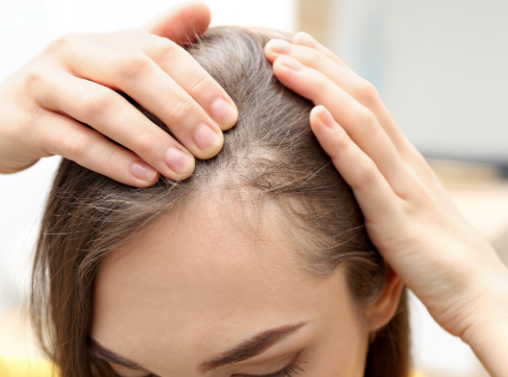
Thinning hair can be a disheartening experience that affects both men and women. Understanding the causes, potential treatments, and lifestyle changes can empower you to take proactive steps towards healthier hair.
1. Understanding the Causes of Thinning Hair
Several factors contribute to thinning hair, and recognizing them is the first step in addressing the issue. Genetics plays a significant role, with conditions like androgenetic alopecia being common among both genders. Additionally, hormonal changes, whether due to aging, pregnancy, or endocrine disorders, can lead to hair loss.
Environmental factors also contribute to thinning hair, including stress, poor nutrition, and exposure to harmful chemicals. For instance, diets lacking in essential vitamins and minerals such as iron, zinc, and biotin can weaken hair strands. Understanding these causes allows individuals to identify their own hair thinning triggers.
-
- Consult a healthcare professional for a thorough evaluation.
-
- Keep track of any genetic history of hair loss in your family.
-
- Monitor hormonal changes, especially during different life stages.
-
- Assess dietary habits to ensure proper nutrition for hair health.
2. Treatment Options for Thinning Hair
There are various treatment options available depending on the cause of thinning hair. Over-the-counter solutions like minoxidil can stimulate hair follicles and promote regrowth. Prescription treatments such as finasteride are also effective but come with potential side effects, requiring a discussion with a healthcare provider.
Aside from medication, lifestyle changes can make a significant impact. Adopting a healthy diet rich in essential nutrients, incorporating scalp massages to improve circulation, and managing stress through mindfulness practices can promote hair health. For those seeking immediate results, hairstyles and hair products that add volume can temporarily enhance the appearance of thinning hair.
-
- Consider consulting a dermatologist for personalized treatment advice.
-
- Explore natural remedies like essential oils that may benefit hair strength.
-
- Research the pros and cons of medications before starting a regimen.
-
- Use volumizing shampoos and conditioners to create the appearance of fullness.
3. Lifestyle Changes and Hair Care Routine
In addition to medical treatments, implementing lifestyle changes can significantly impact the health of your hair. Starting with a balanced diet rich in proteins, omega-3 fatty acids, and antioxidants can help to nourish the hair from within. Foods like salmon, avocados, and spinach should be staples in your diet.
Maintaining a proper hair care routine is also crucial. This includes using sulfate-free shampoos, minimizing heat styling, and avoiding tight hairstyles that can pull on the hair. Regular trims can prevent split ends, fostering healthier, stronger hair over time.
-
- Incorporate hair-healthy foods into your meals daily.
-
- Avoid over-washing your hair to maintain natural oils.
-
- Limit heat styling to avoid further damage.
-
- Be gentle when brushing and avoid tugging at knots.
In conclusion, thinning hair can stem from various factors, but there are effective solutions and lifestyle changes you can adopt. Take proactive steps in consultation with professionals and start a hair care routine that suits your needs. Your journey to healthier hair can begin today!