
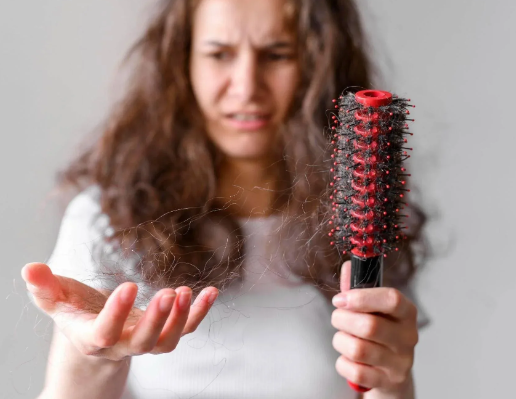
Hair loss can be a distressing experience, affecting self-esteem and confidence levels. Understanding the causes and exploring effective solutions can pave the way for restoring hair health. Here, we delve into robust strategies to combat hair loss effectively.
1. Understand the Causes of Hair Loss
Before embarking on a hair restoration journey, it’s crucial to understand what’s causing hair loss. Many factors contribute to hair thinning, including genetics, hormonal changes, stress, and nutritional deficiencies. For instance, male and female pattern baldness is often hereditary, while conditions like thyroid disorders can influence hair health due to hormonal imbalances.
Additionally, lifestyle choices such as poor diet, excessive heat styling, and harsh hair products can exacerbate hair loss. Identifying the underlying cause of hair thinning will allow you to tailor your approach more effectively, whether through lifestyle changes or professional treatment.
-
- Research family history of hair loss.
-
- Consider hormonal changes or medical conditions.
-
- Evaluate your diet for essential nutrients.
-
- Assess stress levels and environmental factors.
2. Adopt a Nutrient-Rich Diet
Your diet plays a significant role in maintaining healthy hair. Foods rich in vitamins and minerals can help strengthen hair follicles and prevent further loss. For instance, incorporating proteins such as eggs, fish, and beans can provide the necessary amino acids for hair formation, while iron-rich foods like spinach and lentils can improve circulation to the scalp.
Moreover, vitamins A, C, D, and E are essential for hair health. Vitamin C aids in collagen production, which brings strength to hair strands, while omega-3 fatty acids found in nuts and fish help nourish the hair follicles. A balanced diet will not only nourish your hair but also enhance your overall well-being.
-
- Include protein sources in your meals.
-
- Incorporate fruits and vegetables high in vitamins.
-
- Consume healthy fats like avocados and nuts.
-
- Stay hydrated with plenty of water.
3. Establish a Gentle Hair Care Routine
Implementing a gentle hair care routine is vital for preventing further hair loss. Avoid using harsh shampoos and conditioners that contain sulfates or alcohol, as these can strip hair of its natural oils. Instead, opt for more natural products designed to nourish and strengthen your hair.
Additionally, limit the use of heat styling tools like blow dryers and straighteners, as they can weaken hair over time. When drying your hair, consider air drying or using the lowest heat setting possible. Regularly trimming your hair can also help to eliminate split ends and promote healthier growth.
-
- Choose sulfate-free shampoos and conditioners.
-
- Limit heat styling to preserve hair integrity.
-
- Gently comb or brush wet hair to prevent breakage.
-
- Schedule regular trims to maintain hair health.
4. Explore Professional Treatments
If home remedies and lifestyle adjustments don’t yield the desired results, various professional treatments may be available to you. Dermatologists can prescribe medications such as minoxidil or finasteride, which have been proven to help in regrowing hair and preventing further loss. In some cases, hair transplants or scalp micropigmentation might be recommended for more permanent solutions.
Moreover, treatment options like laser therapy can stimulate hair follicles and improve hair density without invasive procedures. Consulting with a healthcare professional specializing in hair loss can provide you with tailored recommendations based on your unique situation.
-
- Schedule a consultation with a dermatologist.
-
- Ask about clinical treatments like minoxidil.
-
- Consider laser therapy for stimulation.
-
- Research hair transplant options if applicable.
In summary, dealing with hair loss can be challenging, but by understanding its causes and implementing effective strategies, you can make significant strides towards healthier hair. Whether through dietary changes, gentle care routines, or professional treatments, taking proactive steps is key. Don’t hesitate to consult a professional to help you create a personalized hair care plan and regain your confidence!