
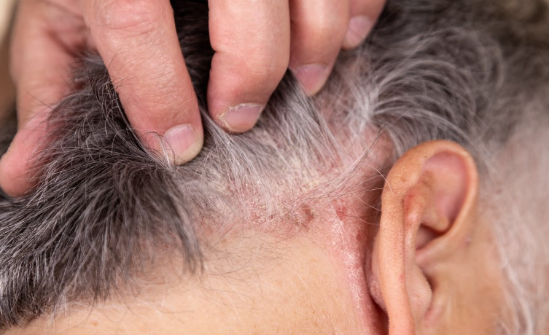
Scalp psoriasis can be a challenging condition, not just because of the visible symptoms but also due to the impact it can have on hair health. Many individuals diagnosed with this autoimmune disorder experience hair loss, which can affect their self-esteem and overall quality of life. Understanding the relationship between scalp psoriasis and hair loss is essential for managing both conditions effectively.
1. Understanding Scalp Psoriasis
Scalp psoriasis is a chronic skin condition characterized by red, scaly patches on the scalp. These patches can become itchy and uncomfortable, leading to scratching that can damage hair follicles. It is crucial to recognize the symptoms early, as this can help mitigate further skin and hair damage. Symptoms may include dry flakes, redness, itching, and small bumps that develop around the hairline.
Management of scalp psoriasis often requires a multifaceted approach, including topical treatments, phototherapy, and systemic medications. Patients may find that using medicated shampoos helps alleviate some symptoms. Additionally, implementing a consistent daily care routine for the scalp can dramatically improve overall health and reduce flare-ups.
-
- Consult a dermatologist for a proper diagnosis and treatment plan.
-
- Use gentle, sulfate-free shampoos to avoid irritating the scalp.
-
- Apply topical treatments as recommended by your healthcare provider.
-
- Keep a symptom diary to identify triggers and effective treatments.
-
- Consider lifestyle changes, such as reducing stress and improving diet.
2. How Scalp Psoriasis Contributes to Hair Loss
The relationship between scalp psoriasis and hair loss can be significant. Inflammation caused by the immune system’s overactivity can lead to damage of the hair follicles. Furthermore, frequent scratching of itchy patches can result in traction alopecia, where hair is pulled out at the root, making it difficult for hair to grow back. This cycle of inflammation and hair loss can leave individuals feeling frustrated and helpless.
Moreover, hair loss due to scalp psoriasis does not always mean baldness. Instead, it often manifests as thinning hair or patches where hair no longer grows. The psychological impact of this can be profound, leading to lowered self-confidence and social withdrawal. Understanding that hair loss is a common symptom of thinning scalp skin can be comforting to those suffering.
-
- Limit scratching by managing itchiness through effective treatments.
-
- Consider using a moisturizing scalp treatment to promote scalp health.
-
- Understand that hair may regrow once the psoriasis is under control.
-
- Explore gentle hairstyles that minimize tension on hair follicles.
-
- Stay informed about emerging therapies for scalp psoriasis.
3. Effective Treatment Options for Scalp Psoriasis and Hair Restoration
Addressing scalp psoriasis effectively can greatly improve hair health. Treatment options range from prescription topical treatments containing corticosteroids to advancing therapies like biologics. Many people find success in combining treatments; for example, using corticosteroids alongside medicated shampoos can maximize results in managing symptoms and preventing flare-ups.
In addition to traditional treatments, natural remedies can also provide relief. Ingredients such as tea tree oil, aloe vera, and apple cider vinegar are often recommended to soothe the scalp and promote healing. However, it’s essential to check with a healthcare professional before trying new treatments to avoid exacerbating the condition.
-
- Work closely with a healthcare provider to customize your treatment plan.
-
- Evaluate both medical and holistic approaches to find what works best.
-
- Keep your scalp clean and free of excess product buildup.
-
- Incorporate anti-inflammatory foods into your diet, like omega-3-rich fish.
-
- Track your progress and remain patient; treatment can take time.
In summary, understanding scalp psoriasis and its implications for hair health is crucial for anyone affected by this condition. By addressing symptoms and committing to a comprehensive treatment plan, it’s possible to manage both scalp health and hair loss effectively. Consider consulting a professional to discuss the best strategies for your situation, and take the next steps towards reclaiming your scalp and hair health.