
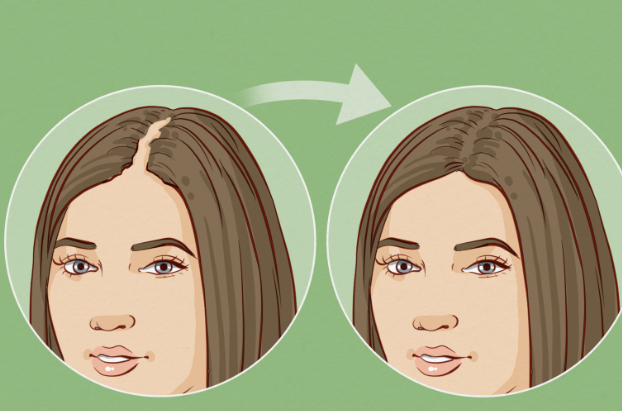
Regrowing hair can be a challenging journey for many individuals, but with the right approach, it can certainly be achieved. Whether you are experiencing hair thinning, premature balding, or just want to enhance your hair’s thickness, understanding effective methods can make a significant difference.
1. Understand the Causes of Hair Loss
Before diving into solutions, it is essential to identify the underlying causes of hair loss. Factors such as genetics, stress, hormonal changes, and nutritional deficiencies can contribute significantly. For instance, androgenetic alopecia, commonly referred to as male or female pattern baldness, is a hereditary condition that affects many people. Knowing what triggers your hair loss can help you make informed decisions moving forward.
Additionally, stress and hormonal fluctuations can lead to temporary hair loss conditions, such as telogen effluvium. Recognizing these conditions allows you to tackle the root problem rather than just treating the symptoms. Consider logging your hair loss patterns, stress levels, and diet for a clearer picture.
-
- Keep a diary to track hair loss trends.
-
- Consult a professional to identify genetic factors.
-
- Evaluate your stress levels and their potential impacts.
-
- Take note of any recent hormonal changes.
2. Nutrition and Hair Health
Nutrition plays a pivotal role in maintaining and regrowing hair. Essential nutrients, such as biotin, zinc, iron, and vitamins A, C, and E, are known for promoting healthy hair follicles. Foods rich in these nutrients include leafy greens, nuts, fish, and lean meats. Additionally, a well-balanced diet can significantly contribute to overall health, making it even more critical for hair growth.
Hydration also affects hair health. Water transports nutrients to the hair roots, keeping them nourished and helping promote growth. A lack of hydration can lead to dryness and brittleness, making hair more prone to breakage. Implementing a hydration routine alongside your nutrition will enhance your efforts in regrowing hair.
-
- Incorporate a variety of nutrient-rich foods.
-
- Stay well-hydrated—aim for about 8 glasses of water daily.
-
- Consider supplements after consulting with a healthcare provider.
-
- Avoid restrictive diets that limit essential nutrients.
3. Effective Treatments for Hair Regrowth
There are several effective treatments available for those looking to regrow their hair. Minoxidil, a topical solution, is commonly used to stimulate hair follicles and promote thicker hair growth. Users should apply it regularly, typically twice a day, to see significant results over time. It may take several months before noticeable changes occur, so patience is key.
Another popular option is finasteride, an oral medication that blocks the hormone responsible for hair loss in men and women. However, it’s essential to discuss the potential side effects and suitability for your unique situation with a healthcare professional before starting treatment.
-
- Be consistent with your chosen treatment regimen.
-
- Consult a dermatologist to find the right treatment for you.
-
- Monitor your progress to see if adjustments are necessary.
-
- Give treatments several months to show results.
4. Scalp Care and Hair Growth
A healthy scalp is essential for hair regrowth. Regularly cleansing your scalp to remove excess oils and debris promotes a healthy environment for hair follicles. Moreover, gentle scalp massages can stimulate blood circulation, which helps to deliver nutrients more effectively. This increased blood flow can invigorate hair follicles and encourage regrowth.
Incorporating essential oils such as rosemary or peppermint into your scalp care routine may also enhance hair growth. These oils not only smell fantastic but also have properties that support healthy hair and scalp. Just remember to dilute the oils with a carrier oil before applying, and conduct a patch test to avoid irritation.
-
- Cleanse your scalp with suitable products at least twice a week.
-
- Massage your scalp for 5-10 minutes daily.
-
- Incorporate essential oils into your routine safely.
-
- Avoid harsh chemicals and excessive heat styling.
5. Lifestyle Changes for Optimal Hair Growth
The way you live your life can significantly impact your hair health. Regular exercise improves blood circulation, not just in your scalp but throughout your body. This increased circulation aids in delivering essential nutrients that support hair follicles. Furthermore, managing stress through activities such as yoga, meditation, or simply spending time in nature can create a more conducive environment for hair regrowth.
Other lifestyle choices, such as quitting smoking and limiting alcohol consumption, can abruptly improve not just your hair health but your overall wellness. Eliminating substances that harm your body will help create an optimal environment for hair regrowth.
-
- Engage in regular physical activity.
-
- Manage stress through mindfulness practices.
-
- Avoid smoking and limit alcohol intake.
-
- Ensure sufficient sleep for overall health.
Regrowing hair is a multifaceted process that requires a combination of understanding, nutrition, treatment, and lifestyle changes. By taking proactive steps and perhaps consulting a professional, you can embark on a successful journey towards thicker, healthier hair. Remember, consistency is key, and starting your routine today will pave the way for positive changes ahead.