
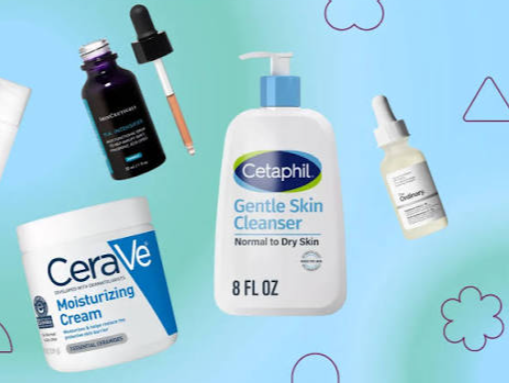
Finding the right skincare products during pregnancy can be a daunting task, especially with the ever-evolving landscape of ingredient safety. As your body changes, your skin may require special attention and care. This blog post will explore pregnancy-safe moisturizer ingredients to help you make informed choices for your skincare routine.
1. Natural Oils: A Gentle Touch
Natural oils are a great option for pregnant women seeking moisturizing ingredients. Oils such as almond oil, jojoba oil, and coconut oil are not only safe but also provide hydration and nourishment. Almond oil, rich in vitamin E, helps to improve skin elasticity, reducing the chances of stretch marks. Jojoba oil closely resembles the natural oils produced by the skin, making it an excellent choice for balancing moisture without clogging pores.
Coconut oil is another standout ingredient due to its antibacterial and antifungal properties. It can help soothe dry skin and is especially useful for relieving conditions like eczema, which some pregnant women experience. The key is to choose organic and cold-pressed options to ensure you are getting the most benefits without the risk of harmful additives.
-
- Look for organic, cold-pressed options.
-
- Perform a patch test before widespread use.
-
- Mix oils with essential oils like lavender for added benefits.
-
- Consider using a carrier oil for dilution if using strong essential oils.
2. Hyaluronic Acid: Hydration Hero
Hyaluronic acid has garnered attention for its powerful hydrating properties, making it suitable during pregnancy. This ingredient can hold up to 1,000 times its weight in water, ensuring that your skin remains plump and well-hydrated. Unlike many active ingredients that are discouraged during pregnancy, hyaluronic acid is considered safe to use, offering a lightweight and non-comedogenic option.
Additionally, hyaluronic acid works well in conjunction with other moisturizing agents, enhancing their effectiveness. If you struggle with hormonal acne, this ingredient can provide hydration without clogging pores, making it a versatile addition to your skincare routine. You can find it in serums, creams, and gels specifically designed for sensitive skin.
-
- Choose products with a low molecular weight for deeper penetration.
-
- Apply to damp skin for enhanced absorption.
-
- Combine with other soothing ingredients for added benefits.
-
- Use in both morning and evening routines for continuous hydration.
3. Shea Butter: Nature’s Moisturizer
Shea butter is a rich, creamy moisturizer derived from the nuts of the shea tree, and it is packed with vitamins A, E, and F. These vitamins are known for their healing and nourishing properties, making shea butter an excellent choice for pregnant skin that may be prone to dryness and irritation. It can be used all over the body, including areas that experience stretching, such as the abdomen and thighs.
In addition to its moisturizing abilities, shea butter has anti-inflammatory properties, helping to soothe sensitive skin—a common concern during pregnancy. It can also help to reduce the appearance of stretch marks by keeping the skin flexible and hydrated. When selecting a shea butter product, ensure it is unrefined and organic to avoid any potentially harmful additives.
-
- Look for unrefined and organic options.
-
- Mix with essential oils for a personalized scent.
-
- Apply it while the skin is still damp for better absorption.
-
- Use regularly on areas prone to stretch marks.
4. Glycerin: The Moisture Magnet
Glycerin is a humectant that attracts moisture to the skin, making it a go-to ingredient for hydration. It is derived from natural fats and oils and is safe during pregnancy. Because of its ability to draw water from the air and into the skin, glycerin helps maintain hydration levels, even in challenging weather conditions. Its lightweight feel makes it particularly beneficial for daily use.
In addition to its hydrating capabilities, glycerin can help repair the skin barrier, which is essential during pregnancy when hormonal changes can affect skin integrity. You’ll often find glycerin in creams and lotions, and it can be an excellent ingredient for those with oily or combination skin, as it hydrates without a heavy feel.
-
- Look for products where glycerin is one of the first five ingredients.
-
- Check for a thickness test: if it’s too thick, it may not be the right formula for you.
-
- Combine with occlusives to lock in moisture.
-
- Use daily for best results, especially in dry climates.
In conclusion, selecting the right moisturizer during pregnancy is crucial for maintaining healthy and hydrated skin. By focusing on ingredients like natural oils, hyaluronic acid, shea butter, and glycerin, you can enjoy the benefits of effective moisturizers without the worry. Always consult with your healthcare provider or dermatologist if you have concerns about specific products or skin sensitivities.