
Pregnancy brings about numerous changes in a woman’s body, including a heightened sensitivity to various products. Many expectant mothers find themselves questioning which body lotions are safe to use during this special time. This blog post will help navigate the world of pregnancy-safe body lotions, ensuring you make informed choices for both you and your baby.
1. Understanding Ingredients
When choosing a body lotion during pregnancy, understanding the ingredients is crucial. Many common ingredients in beauty products can be harmful to a developing fetus. For example, retinoids, often found in anti-aging creams, should be avoided due to their potential risks. Opting for lotions that feature natural and organic components is generally a safer route. Look for products that contain ingredients like shea butter, cocoa butter, and natural oils.
Furthermore, it’s essential to understand that the purity of these ingredients matters. Products labeled as “unscented” might still contain chemicals to mask scents, which could irritate sensitive skin. Instead, choose lotions marked as “fragrance-free,” and always look for those certified by dermatologists for sensitive skin. This will help minimize the risk of irritation while keeping your skin hydrated.
-
- Check the ingredient list for harmful substances.
-
- Look for safe alternatives like shea butter and coconut oil.
-
- Avoid synthetic fragrances; opt for natural scents.
-
- Consider doing a patch test before full application.
2. Choosing Hypoallergenic Products
Hypoallergenic lotions are formulated to minimize the risk of allergic reactions, making them an excellent choice for pregnant women. As skin becomes more sensitive during pregnancy, products that are hypoallergenic can provide hydration without causing irritation. Brands focused on sensitive skin often avoid common irritants and are tested for safety, which adds an extra layer of reassurance.
Another advantage of hypoallergenic lotions is their versatility. Many such products are designed to be lightweight, absorbing quickly into the skin without leaving a greasy residue. This is especially important for pregnant women who may experience increased perspiration. Consider looking for brands with good reviews from other expecting mothers, which can help you make a more informed decision.
-
- Research brands known for hypoallergenic formulas.
-
- Read reviews from other pregnant women before purchasing.
-
- Test a small quantity on your skin to check for reactions.
-
- Observe how your skin reacts and adjust accordingly.
3. The Benefits of Moisturizers During Pregnancy
Staying hydrated is essential during pregnancy, and this applies to your skin as well. A good body lotion helps prevent dryness and maintains elasticity, reducing the likelihood of stretch marks. Ingredients like hyaluronic acid can lock in moisture, ensuring your skin remains supple, while oils like almond or jojoba provide both nourishment and hydration.
Additionally, regularly applying body lotion can offer a soothing ritual for expecting mothers. This practice not only addresses physical changes but also allows for a moment of mindfulness amid the hectic journey of pregnancy. Taking the time to care for your skin can also help you bond with your growing baby as you massage your belly and appreciate this transformative experience.
-
- Apply lotion daily to maintain skin hydration.
-
- Focus on areas prone to stretching, like the belly and thighs.
-
- Create a soothing ritual of massaging lotion into your skin.
-
- Consider incorporating lotions that soothe itchiness.
4. Natural vs. Synthetic: What to Choose?
The debate between natural and synthetic body lotions is a prevalent topic among expecting mothers. Natural lotions often use plant-based ingredients and essential oils, which are less likely to cause irritation. However, just because a product is labeled as “natural” doesn’t guarantee its safety. Always check for certifications and product testing before making a choice.
Synthetic lotions, while often effective, can contain ingredients that might be harmful during pregnancy. Parabens and formaldehyde-releasing agents, common in many synthetic products, have raised concerns in recent years. Therefore, if you choose a synthetic option, ensure it is specifically marked as safe for pregnancy by reputable sources or dermatologists.
-
- Weigh the pros and cons of natural versus synthetic options.
-
- Choose products from reputable brands known for safety.
-
- Verify that the lotion is free from parabens and sulfates.
-
- Consult your healthcare provider if in doubt.
5. Making Your Own Body Lotion
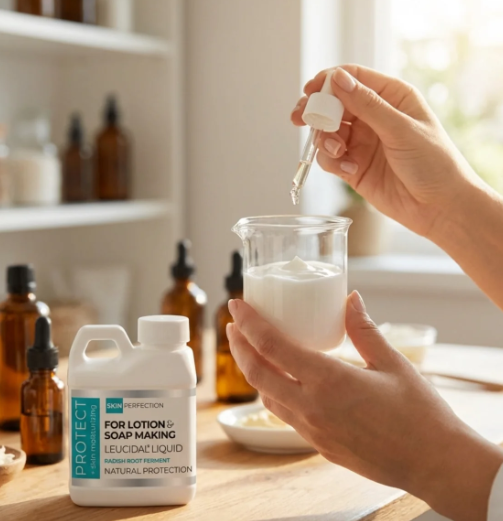
If you want complete control over what you put on your skin, consider making your own body lotion. A simple recipe can involve combining shea butter, coconut oil, and a few drops of essential oils like lavender or chamomile for added relaxation. This approach eliminates the worry of harmful chemicals and allows you to customize the lotion to your preferences.
Creating your own lotion can be a fun and rewarding project, especially during pregnancy. It not only ensures that you are using safe ingredients but also gives you the opportunity to connect with your own creativity. Plus, homemade products often make thoughtful gifts for soon-to-be-moms in your circle.
-
- Find a reliable recipe online tailored for pregnancy.
-
- Use organic ingredients to ensure purity.
-
- Store your homemade lotion in a cool, dark place.
-
- Label your lotion with the date and ingredients for safety.
In conclusion, choosing a pregnancy-safe body lotion doesn’t have to be daunting. By understanding ingredients, opting for hypoallergenic options, and considering homemade alternatives, you can keep your skin healthy and safe. Always remember to consult with a healthcare professional if you have any concerns about specific products or ingredients. Start your new routine today, and embrace the journey of motherhood with confidence!