
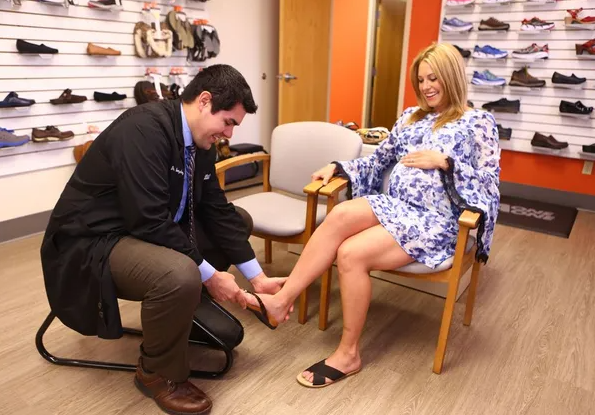
Pregnancy is a beautiful journey, but it can come with unique challenges, especially when it comes to leg care. Many expectant mothers experience swelling, discomfort, and fatigue in their legs. In this blog post, we’ll explore practical tips to care for your legs during pregnancy, making sure you feel comfortable and supported throughout this exciting time.
1. Understand and Manage Swelling
Swelling, or edema, in the legs is a common occurrence during pregnancy, often caused by hormonal changes and increased fluid retention. It’s essential to understand its causes and implement strategies to manage discomfort. Elevating your legs can help reduce swelling. Try resting with your feet elevated on pillows while lying down or seated to aid circulation and decrease fluid accumulation.
Another effective method to combat swelling is integrating light physical activity into your daily routine. Walking, swimming, or even gentle stretching can promote better blood flow and decrease swelling. Always consult with your healthcare provider before starting any new exercise program to ensure it’s safe for your pregnancy stage.
-
- Elevate your legs when sitting or lying down.
-
- Stay hydrated to help manage fluid retention.
-
- Incorporate light, regular exercise into your daily routine.
-
- Avoid standing or sitting in one place for too long.
2. Choose the Right Footwear
Finding the right footwear is crucial during pregnancy, especially as your body changes. Supportive shoes can alleviate pressure on your legs and back. Look for shoes with arch support, cushioning, and a wide toe box to ensure comfort. Avoid high heels or tight-fitting shoes that can worsen discomfort and swelling.
Additionally, consider using compression socks or stockings. These can help improve circulation in your legs, reducing swelling and discomfort. Choose a pair that fits snugly but comfortably and don’t hesitate to consult a professional for the best fit and style for your needs.
-
- Opt for supportive, comfortable footwear.
-
- Avoid high heels and tight shoes.
-
- Consider using compression socks for added support.
-
- Regularly assess the fit of your shoes as pregnancy progresses.
3. Incorporate Gentle Massage and Self-Care
A gentle leg massage can work wonders to relieve tension and enhance blood flow. Using your hands or a foam roller, spend a few minutes each day massaging your calves and thighs. Not only will this ease discomfort, but it can also be a calming ritual to promote relaxation. Use natural oils like almond or coconut oil for an added soothing effect.
Additionally, you might explore other self-care techniques, such as soaking your feet in warm water mixed with Epsom salts. This can ease any pain while also providing a soothing experience at the end of a long day. Remember to check with your healthcare provider to ensure that these practices are safe for you, especially if you have any underlying conditions.
-
- Incorporate daily gentle leg massage into your routine.
-
- Use natural oils for a soothing experience.
-
- Soak your feet in warm water with Epsom salts.
-
- Listen to your body and rest when needed.
4. Monitor Nutrition and Hydration
Proper nutrition plays a vital role in overall leg health during pregnancy. Eating a balanced diet rich in vitamins, minerals, and essential nutrients can reduce cravings and help manage swelling. Foods high in potassium, like bananas and sweet potatoes, can help balance fluids, while magnesium-rich foods, such as nuts and seeds, are essential for muscle relaxation.
Staying properly hydrated is equally important. Drinking adequate amounts of water can help prevent fluid retention. Aim for at least eight 8-ounce glasses of water daily. Keep a water bottle handy and consider drinking herbal teas that are approved for pregnancy for added hydration without the calories.
-
- Focus on a balanced diet with fruits and vegetables.
-
- Incorporate potassium and magnesium-rich foods.
-
- Stay hydrated by drinking plenty of water.
-
- Carry a water bottle for easy access throughout the day.
5. Consult Healthcare Providers When Necessary
While many leg issues during pregnancy are normal, it’s crucial to stay connected with your healthcare provider. Communicate any significant changes or concerns about swelling, pain, or discomfort. They can help rule out more serious conditions such as gestational hypertension or blood clots, which require immediate attention and intervention.
Regular prenatal visits are also an excellent opportunity to discuss any symptoms you may be experiencing. Your healthcare provider can suggest individualized strategies or treatments tailored to your specific needs, empowering you to manage your leg health effectively throughout your pregnancy.
-
- Attend regular prenatal check-ups.
-
- Discuss any concerns with your healthcare provider.
-
- Be aware of warning signs, such as severe swelling or pain.
-
- Ask about safe treatments or exercises specific to your condition.
In conclusion, taking care of your legs during pregnancy is important for your overall comfort and well-being. By managing swelling, choosing the right footwear, incorporating self-care, monitoring nutrition, and consulting with professionals, you can navigate this exciting journey with confidence. Start implementing these tips today to ensure your legs feel their best!