
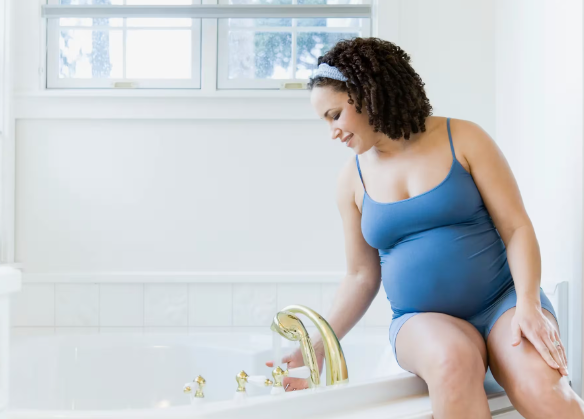
Establishing a soothing bath routine during pregnancy can be incredibly beneficial for both relaxation and health. Not only does it help alleviate common discomforts, but it also acts as a gateway to self-care during a transformative time.
1. Setting the Mood for a Relaxing Bath
Creating the right environment can significantly enhance your bath experience. Begin by dimming the lights or lighting scented candles to promote relaxation. Soft music or ambient sounds can also help you unwind, providing a tranquil backdrop to your bathing ritual. Make sure to have everything you need within arm’s reach, so you won’t feel the need to disturb your zen moment.
The temperature of your bath water is crucial; aim for warm, not hot, water. Hot baths can raise your body temperature, which is not recommended during pregnancy, especially in the first trimester. A comfortable temperature around 98.6°F (37°C) is ideal. This approach not only ensures safety but also delivers the perfect warmth for muscle relaxation.
-
- Opt for soft lighting or candles.
-
- Choose calming music or sounds.
-
- Ensure all bath essentials are close by.
-
- Check the water temperature before stepping in.
-
- Consider using aromatherapy oils like lavender to enhance relaxation.
2. Choosing the Right Bath Products
Using the right bath products is essential when caring for your skin during pregnancy. Select gentle, hypoallergenic soaps and bath oils to avoid irritation. Look for natural ingredients such as chamomile or calendula, which are known for their soothing properties. Always remember to do a patch test first, as pregnancy can make your skin more sensitive than usual.
If you’re dealing with dry or itchy skin—a common pregnancy issue—consider adding oatmeal or coconut oil to your bath. These ingredients are known to hydrate and soothe the skin. Additionally, avoid products with strong fragrances or harsh chemicals that could disrupt your body’s natural balance.
-
- Choose products with natural and soothing ingredients.
-
- Avoid strong fragrances and harsh chemicals.
-
- Look for hypoallergenic options.
-
- Consider adding oatmeal or coconut oil to the bath.
-
- Always perform a patch test before using new products.
3. Incorporating Hydration and Nutrition
Water is not only crucial for hydration but also essential for maintaining healthy skin, which can be affected during pregnancy. Consider having a glass of water or herbal tea nearby during your bath. Staying hydrated helps combat swelling and keeps your skin supple, which is especially important as your body changes.
You can also consider light snacks that provide energy and nourishment before or after your bath. Healthy options—like fruits or nuts—can offer a quick boost, making your relaxation time more enjoyable. Remember, it’s the little details that can make a big difference in your overall well-being during this special time.
-
- Keep a glass of water or herbal tea handy.
-
- Snack on fruits or nuts for energy.
-
- Focus on hydration before and after your bath.
-
- Consider items that are easy to digest.
-
- Pay attention to your body’s signals for hunger or thirst.
4. Post-Bath Self-Care Practices
After your bath, it’s important to continue the self-care vibe. Moisturizing your skin with a pregnancy-safe lotion or oil helps lock in moisture and soothes any irritation. Pay particular attention to areas prone to stretch marks, such as your belly and hips, using products rich in Vitamin E or cocoa butter.
Following your bath, consider some gentle stretches or relaxation exercises to further alleviate tension. This can help both your mind and body unwind and prepare you for a good night’s sleep. Don’t forget to hydrate again if you feel thirsty; your body will thank you!
-
- Moisturize immediately after drying off.
-
- Focus on areas prone to stretch marks.
-
- Incorporate gentle stretches post-bath.
-
- Keep a water bottle nearby to stay hydrated.
-
- Allow yourself some quiet time for reflection.
5. Listening to Your Body
As with all things during pregnancy, it’s crucial to listen to your body. If you experience any discomfort or unusual symptoms while bathing, such as faintness or an increase in swelling, it might be time to adjust your routine. Each trimester brings different challenges, and what works at one stage may not be suitable for another.
Consider speaking with your healthcare provider if you have concerns about your bath routine. They may provide personalized recommendations based on your health status, preferences, and any existing conditions. Ultimately, your comfort and safety should be your top priorities as you enjoy your pregnancy experience.
-
- Monitor your comfort levels during baths.
-
- Be mindful of any physical changes.
-
- Adjust water temperatures as needed.
-
- Discuss concerns with your healthcare provider.
-
- Prioritize your health and well-being.
With the right approach, your pregnancy bath routine can be a simple yet powerful way to care for yourself. Embrace the experience, consult your healthcare provider if needed, and create a routine that makes you feel relaxed and rejuvenated.