
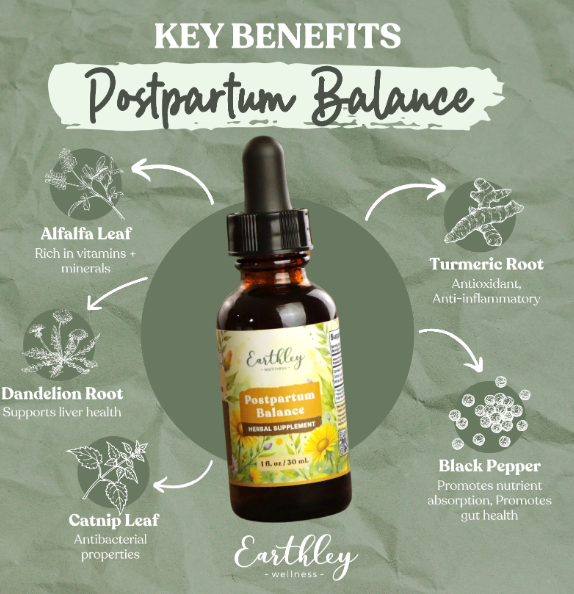
The journey of motherhood is beautiful but can also be challenging, especially when it comes to body care after childbirth. Understanding the right ingredients for postpartum body care can help you feel more comfortable and nourished as your body heals and adjusts. Here, we’ll explore some essential ingredients that can support your postpartum recovery.
1. Cooling and Calming Aloe Vera
Aloe vera is renowned for its soothing and healing properties, making it an ideal ingredient for postpartum body care. This natural gel can help alleviate discomfort associated with stretched skin, particularly after childbirth, and is excellent for hydration. Applying aloe vera to your skin may reduce inflammation and promote healing, particularly if you are experiencing soreness in your perineal area.
Beyond its topical uses, aloe vera can also be consumed in its juice form to help with digestion, which is beneficial as your body readjusts after pregnancy. Ensure that any aloe vera product you choose is free from artificial additives if you are planning to use it internally. Always do a patch test first to check for any skin sensitivities.
-
- Look for 100% pure aloe vera gel for topical use.
-
- Consider drinking organic aloe vera juice to aid digestion.
-
- Do a patch test before using new products.
-
- Apply aloe vera gel after bathing for added moisturizing effects.
-
- Consult your healthcare provider before consuming aloe vera juice.
2. Nourishing Coconut Oil
Coconut oil is a versatile ingredient, perfect for nourishing and moisturizing your skin postpartum. Rich in fatty acids, it helps keep your skin hydrated and can improve elasticity, which is essential as your body returns to its pre-pregnancy state. Additionally, coconut oil has anti-fungal and antibacterial properties, making it beneficial for healing any minor wounds or irritations.
Using coconut oil on cracked nipples can provide soothing relief for breastfeeding mothers. It’s also an excellent base for a homemade scrub; mix it with sugar for an exfoliating treatment that leaves your skin soft and smooth. Remember, purchasing organic, virgin coconut oil maximizes its health benefits.
-
- Use coconut oil for massage to help improve blood circulation.
-
- Combine coconut oil with essential oils for added fragrance and benefits.
-
- Store in a cool, dark place to maintain freshness.
-
- Try it as a natural makeup remover.
-
- Keep an eye on its consistency; it can solidify in cooler temperatures.
3. Healing Witch Hazel
Witch hazel is another powerful ingredient that’s particularly helpful postpartum, known for its astringent and anti-inflammatory properties. It’s effective in reducing swelling and can be used on areas like the perineum or hemorrhoids that often experience discomfort after childbirth. Since witch hazel is gentle, it can be applied directly to the skin or mixed with soothing herbal teas for added relief.
Moreover, witch hazel can be used as a facial toner, helping to clear skin and reduce any postpartum acne due to hormonal fluctuations. Adding witch hazel to your bathing routine can also provide overall calming effects, promoting a sense of well-being during this transitional period.
-
- Use witch hazel in a spray bottle for easy application.
-
- Combine with lavender oil for a calming bath blend.
-
- Consult with a healthcare provider before applying to sensitive areas.
-
- Try to choose alcohol-free witch hazel to avoid skin irritation.
-
- Keep it refrigerated for an extra cooling effect.
4. Replenishing Vitamin E
Vitamin E is a powerful antioxidant that plays a crucial role in skin healing and regeneration, making it particularly important during the postpartum phase. Incorporating topical vitamin E, whether through oils or creams, can help minimize stretch marks and replenish skin moisture. It’s best to look for products that combine vitamin E with other nourishing oils for maximum effect.
Aside from its topical benefits, you can also enhance your diet with vitamin E-rich foods such as almonds, spinach, and avocados to support overall skin health. Remember that healthy skin often starts from within, so be sure to also stay hydrated and consume a balanced diet while caring for your body postpartum.
-
- Choose a vitamin E oil or cream for direct application.
-
- Include vitamin E-rich foods in your daily diet.
-
- Check labels for alpha-tocopherol content in supplements.
-
- Be consistent with application for best results.
-
- Consult with a nutritionist for personalized dietary recommendations.
5. Rejuvenating Essential Oils
Essential oils can be a fantastic addition to your postpartum body care routine. Oils such as lavender, chamomile, and geranium not only offer soothing scents, but they also exhibit properties that can alleviate stress and boost your mood. Diluting essential oils in a carrier oil and incorporating them into massages can promote relaxation and bonding time with your newborn.
Moreover, using essential oils in a diffuser can transform your environment, promoting a calming atmosphere crucial for recovery. Be cautious with oil usage if you’re breastfeeding, and always consult an expert to ensure their safety during this time.
-
- Blend 3-5 drops of essential oil with a carrier oil for massage.
-
- Use a diffuser to create a calming environment.
-
- Avoid certain oils that are not recommended during breastfeeding.
-
- Check for allergies before trying new essential oils.
-
- Consider making your own body scrub using essential oils and sugar.
Taking care of your body postpartum is vital for recovery and well-being. By incorporating these nourishing ingredients into your body care routine, you can create a personalized care plan that supports healing and rejuvenation. Always consider consulting a healthcare professional for personalized advice tailored to your unique needs.)