
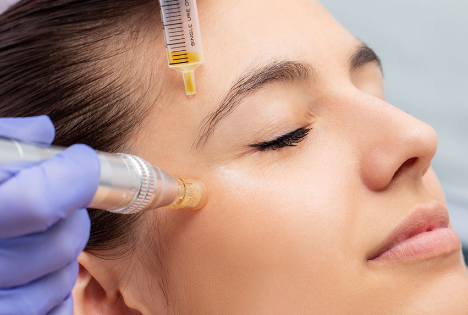
Hair loss can be a distressing experience for many individuals, impacting self-esteem and overall confidence. Platelet-Rich Plasma (PRP) therapy has emerged as a promising solution, leveraging the body’s natural healing processes to promote hair regrowth. This blog post will guide you through the essentials of PRP for hair loss, helping you understand how it works and what to expect.
1. How PRP Works for Hair Loss
PRP therapy involves extracting a small amount of your blood, processing it to concentrate the platelets, and then injecting it into areas of thinning or balding hair. The growth factors contained in platelets stimulate hair follicles, promoting hair growth and revitalizing thinning areas. This non-surgical treatment is becoming increasingly popular due to its minimal downtime and reliance on the body’s natural healing mechanisms.
Clinical studies have shown that patients who undergo PRP treatment may experience noticeable improvements in hair density and thickness. Additionally, the entire procedure can usually be completed in under an hour, making it a convenient option for those with busy schedules. However, it’s essential to have realistic expectations; results can vary depending on individual factors, such as genetics and the stage of hair loss.
-
- Consult a specialist to assess your suitability for PRP therapy.
-
- Understand that multiple sessions may be required for optimal results.
-
- Discuss potential side effects, such as mild swelling or discomfort.
-
- Follow post-treatment instructions for best results.
2. The Procedure and What to Expect
The PRP treatment process typically begins with a consultation, where medical professionals will evaluate your scalp and overall health. If deemed appropriate, they will draw a small amount of blood, which is then placed into a centrifuge to separate the PRP from other blood components. This ensures a high concentration of growth factors is utilized during the treatment phase.
Once the PRP is ready, it’s injected directly into the scalp using fine needles. Patients may experience some discomfort, but a topical anesthetic is usually applied to minimize pain. The entire treatment session often lasts between 30 to 60 minutes, and most patients can return to their normal activities shortly afterward. However, it’s advised to avoid strenuous exercise or exposure to heat for a short period post-treatment.
-
- Prepare for the procedure by staying well-hydrated.
-
- Consider taking over-the-counter pain relief beforehand, if advised.
-
- Dress comfortably and avoid heavy hair products on the day of the treatment.
-
- Plan for follow-up sessions, typically spaced a few weeks apart.
3. Potential Benefits and Considerations
One of the primary benefits of PRP therapy is that it is a minimally invasive procedure, offering an alternative to more aggressive treatments like hair transplants. Many patients report positive results within a few months, experiencing not only regrowth but also improvements in hair quality. Another advantage is that PRP uses your own body’s components, significantly reducing the risk of allergic reactions or complications.
However, PRP therapy is not suitable for everyone. Those with certain medical conditions, such as blood disorders or significant scalp conditions, may not be ideal candidates. It’s crucial to have a thorough discussion with your healthcare provider to weigh the potential benefits against any risks. Additionally, PRP may not completely restore hair in all patients, especially if hair loss has progressed significantly.
-
- Evaluate your overall hair loss situation before starting treatment.
-
- Track your progress with photos to monitor changes.
-
- Remain patient; results can take time and may require upkeep.
-
- Keep an open dialogue with your provider about your expectations.
In conclusion, PRP therapy offers a promising avenue for those seeking to combat hair loss naturally. By understanding the procedure, benefits, and considerations, you can make an informed decision. Consult with a professional to explore how PRP might fit into your hair restoration journey and take the first step towards regaining your confidence.