
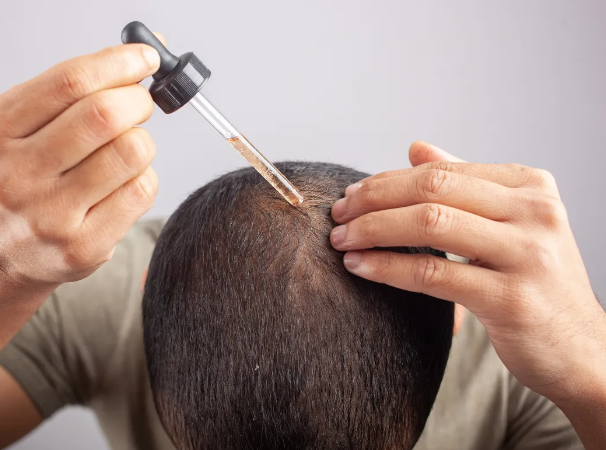
Minoxidil, a popular treatment for hair loss, has garnered attention for its effectiveness. However, like any medication, it comes with potential side effects that users should be aware of before starting treatment. Understanding these side effects can help you make informed decisions about your hair restoration journey.
1. Common Side Effects
Many individuals experience mild side effects when using minoxidil, particularly during the initial stages of treatment. Skin irritation is among the most frequently reported issues. Users might notice redness, dryness, or itching at the application site. This reaction is generally mild, but it can be uncomfortable and may lead to discontinuation of use in some cases.
Another common side effect includes unwanted facial hair growth. This occurs due to the systemic absorption of the product, especially if applied excessively. While it may sound alarming, this side effect typically resolves after discontinuing the medication. That said, it can be concerning for users, particularly those concerned with aesthetic issues.
-
- Start with a small amount to assess your skin’s tolerance.
-
- Apply only to the scalp and avoid excessive spreading.
-
- Monitor for symptoms and consult with a healthcare provider if irritation persists.
-
- Consider using extra moisture or lotion to alleviate dryness.
2. Rare but Serious Side Effects
Although rare, some individuals might experience more severe side effects when using minoxidil. One alarming issue is the risk of cardiovascular problems. Some users have reported experiencing rapid heartbeats or chest pains. These symptoms are particularly concerning for those with pre-existing heart conditions, as they may indicate that the medication is affecting the heart’s function.
Another serious side effect includes sudden weight gain, which could suggest fluid retention. This side effect is less common, but it’s essential to be vigilant. Rapid weight gain may indicate a need to consult a healthcare professional, as it could be related to more serious underlying issues such as heart or kidney problems.
-
- Seek immediate medical attention if you experience chest pain or severe swelling.
-
- Regularly monitor your weight and report sudden changes to your doctor.
-
- Maintain open communication with your healthcare provider about your medical history.
-
- Follow dosage guidelines strictly to minimize risks.
3. Psychological Effects and Mood Changes
Some users have reported experiencing mood swings or changes in mental health status while using minoxidil. Though not widely discussed, these effects can include increased anxiety or feelings of depression. Such psychological changes may not be directly linked to minoxidil but can result from the stress associated with hair loss or the anxiety of trying new treatments.
If you notice changes in your mental health after starting minoxidil, it’s important to talk about these feelings. Open dialogue with friends, family, or a mental health professional can provide support and perhaps alternative solutions for managing hair loss. Staying aware of your emotional health during this treatment can lead to a more balanced approach to healing.
-
- Keep a journal to track mood changes and triggers.
-
- Discuss any concerns with a trusted friend or family member.
-
- Consult a therapist if anxiety or mood changes become disruptive.
-
- Don’t hesitate to reach out for support when feeling overwhelmed.
Understanding the side effects of minoxidil is crucial for anyone considering it as a hair restoration option. While many side effects may be manageable, being informed allows you to set realistic expectations and stay vigilant for more serious reactions. Always consult with a healthcare provider before starting any new treatment to ensure it’s right for you.