
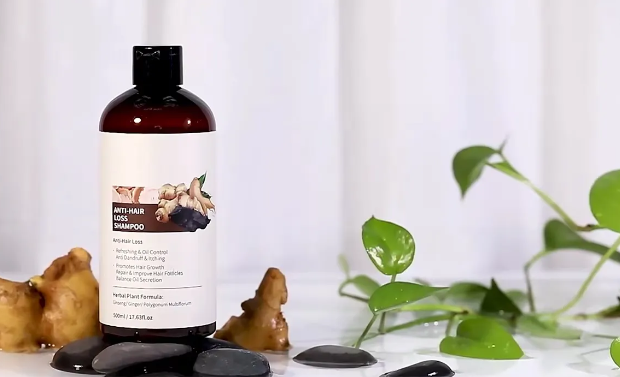
Anti-hair loss shampoo can be a game-changer for those experiencing thinning hair or hair loss. Whether it’s due to genetics, stress, or other factors, finding the right hair care products can help you regain confidence and encourage hair growth. In this post, we’ll explore the benefits of these shampoos, how they work, and what to look for when choosing the right one for your needs.
1. How Anti-Hair Loss Shampoo Works
Anti-hair loss shampoos typically contain active ingredients designed to promote hair growth and strengthen existing hair. Ingredients like ketoconazole, biotin, and caffeine are commonly found in these formulations. Ketoconazole, for instance, is known to help reduce scalp inflammation and control dandruff, which can contribute to hair loss. Biotin enhances keratin production, making your hair thicker and stronger over time.
Additionally, some shampoos work by stimulating blood circulation to the scalp, promoting a healthy environment for hair follicles. Regular use can lead to healthier hair and potentially reverse some forms of hair loss. Understanding how these active ingredients interact with your hair and scalp is crucial in achieving the desired outcome.
-
- Look for shampoos with active ingredients suitable for your hair type.
-
- Consider your scalp condition—oily, dry, or combination.
-
- Check customer reviews for real-life effectiveness.
-
- Be patient; results may take time to appear.
-
- Always follow the manufacturer’s recommendations for usage.
2. Key Ingredients to Look For
When shopping for anti-hair loss shampoos, it’s essential to scrutinize the ingredient list. Look for scientifically-backed components like saw palmetto, which can block the formation of DHT, a hormone linked to hair loss. Alternatively, argan oil is a fabulous moisturizer that can enhance shine and elasticity, improving overall hair health.
Another standout ingredient is niacin, which promotes blood flow to the hair follicles, supporting healthier growth. Considerations like these will guide your choice and help you select products that are effective and suit your individual hair care needs. Always remember to consider your specific scalp and hair issues to choose the most appropriate ingredients.
-
- Research the benefits of key ingredients before purchasing.
-
- Avoid sulfates and parabens for gentler cleaning.
-
- Try to choose natural or organic formulas when possible.
-
- Look for complementary ingredients that enhance overall effectiveness.
-
- Check for pH balance, as it can affect scalp health.
3. Understanding Usage and Routine
To maximize the benefits of anti-hair loss shampoo, consistency is crucial. Most experts recommend using it 2-3 times a week, depending on your hair type and the product’s recommendations. When washing your hair, massage the shampoo into your scalp gently to ensure thorough distribution and absorption of the active ingredients.
Additionally, integrating a comprehensive hair care routine can further enhance the effectiveness of your anti-hair loss shampoo. Consider pairing it with a conditioner designed to nourish and strengthen hair, and perhaps a serum or topical treatment specifically for hair loss. Keeping your hair and scalp clean while providing necessary nutrients will create an optimal environment for growth.
-
- Establish a regular washing schedule that suits your hair type.
-
- Massage your scalp thoroughly for better absorption.
-
- Explore complementary hair treatments.
-
- Monitor any changes in your hair condition for adjustments.
-
- Stay hydrated and maintain a balanced diet for holistic care.
4. When to Consult a Professional
While over-the-counter anti-hair loss shampoos can be effective, persistent hair loss may require a consultation with a healthcare professional. Dermatologists can provide personalized advice and may recommend treatments such as minoxidil for advanced cases. It’s vital to address underlying conditions, such as hormonal imbalances or nutritional deficiencies, which can exacerbate hair loss.
An expert can also help you tackle emotional aspects associated with hair loss, ensuring a well-rounded approach to your hair care. If you’ve been using anti-hair loss shampoos without encouraging results for a significant period, reaching out for professional guidance is a smart step to take.
-
- Keep track of your hair loss patterns to share with a professional.
-
- Avoid self-diagnosing; hair loss can stem from various causes.
-
- Schedule appointments with a dermatologist for tailored advice.
-
- Discuss any lifestyle factors that could be affecting your hair.
-
- Don’t hesitate to explore both medical and natural solutions.
In conclusion, understanding how anti-hair loss shampoos work and what to look for can significantly impact your hair health. Consistency and informed choices are key. If you are struggling to see results, consider consulting a professional for tailored advice. Start your journey to healthier hair today by staying informed and proactive!