
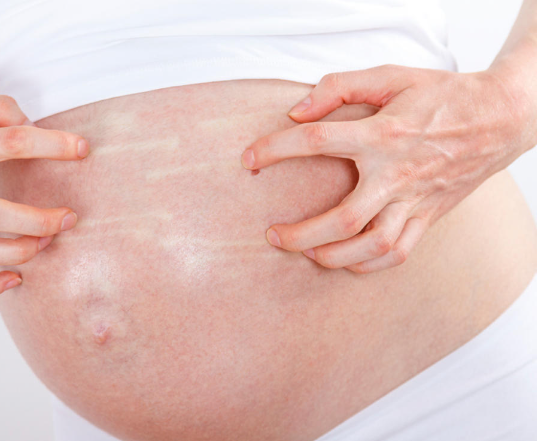
Experiencing itchy skin during pregnancy is a common discomfort for many women. As your body goes through incredible changes, it’s essential to understand why this happens and how to cope effectively.
1. Understanding the Causes of Itchy Skin
During pregnancy, your body produces increased amounts of hormones, particularly estrogen, which can lead to changes in your skin. This hormonal surge often results in dryness and itchiness, especially in areas such as the belly, thighs, and breasts, where the skin stretches as the baby grows. Additionally, the skin might become more sensitive due to changes in blood flow and the overall elasticity of the skin during pregnancy.
Other factors contributing to itchy skin include environmental triggers. As hormonal changes can affect your skin’s moisture levels, fluctuations in temperature, humidity, and even allergens in your surroundings can exacerbate the itchiness. For instance, using new laundry detergents or soaps may cause rashes, especially if they are scented. Understanding these causes can help you mitigate the specific triggers.
-
- Stay hydrated by drinking plenty of water.
-
- Use unscented moisturizers to help lock in moisture.
-
- Avoid hot showers, which can dry out the skin further.
-
- Identify and limit exposure to potential allergens.
2. Home Remedies for Relief
There are several effective home remedies to soothe itchy skin during pregnancy. One popular method is applying aloe vera gel directly to the itchy areas. Aloe vera has natural cooling properties and is rich in vitamins, which can help calm inflamed skin while providing hydration. Another helpful remedy is oatmeal baths; colloidal oatmeal can be used to create a soothing bath that alleviates itchiness and reduces irritation.
Another option is using coconut oil, which is known for its moisturizing capabilities. A gentle application on the affected areas not only hydrates but also creates a barrier that locks in moisture. Incorporating these remedies regularly into your routine can significantly lessen discomfort and promote skin health during pregnancy.
-
- Apply aloe vera gel directly to irritated areas.
-
- Take oatmeal baths a few times a week.
-
- Use coconut oil as a moisturizer.
-
- Wear breathable, loose-fitting clothing.
3. When to Seek Medical Attention
While itchy skin is generally a common symptom during pregnancy, it’s important to be aware of when it may signal a more serious condition. Conditions like pruritic urticarial papules and plaques of pregnancy (PUPPP) or cholestasis can cause significant itching and require medical attention. PUPPP typically appears in the third trimester and manifests as red, raised bumps, while cholestasis leads to intense itching and can affect both mother and baby.
If you notice severe itching, especially if it’s accompanied by other symptoms like jaundice (yellowing of the skin and eyes) or dark urine, you should contact your healthcare provider right away. Early intervention can help ensure the health and safety of both you and your baby, making it crucial to stay vigilant about your symptoms during this time.
-
- Monitor the intensity and frequency of your itching.
-
- Be aware of any additional symptoms like rash or jaundice.
-
- Keep records of when it occurs and possible triggers.
-
- Consult your healthcare provider if the itching worsens.
4. Lifestyle Adjustments for Prevention
Making lifestyle adjustments can significantly impact your experience with itchy skin during pregnancy. First and foremost, maintaining a consistent skincare routine is essential. Gentle cleansing and regular moisturizing can help keep your skin hydrated and reduce itchiness. Opt for products labeled as hypoallergenic and free from fragrances to minimize irritation.
Additionally, wearing breathable fabrics such as cotton can help keep your skin cool and reduce sweating, which can also contribute to itching. Staying cool by using fans or air conditioning during hot months is another effective strategy. Lastly, managing stress through relaxation techniques such as prenatal yoga or meditation can aid in preventing stress-related skin flare-ups.
-
- Follow a gentle skincare routine.
-
- Wear breathable, natural fabrics.
-
- Use fans or air conditioning to stay cool.
-
- Practice relaxation techniques to manage stress.
In conclusion, while itchy skin is common during pregnancy, understanding the causes and available remedies can empower you to find relief. Take proactive steps, track your symptoms, and don’t hesitate to seek medical advice if needed. Your comfort and the health of your baby are vital during this special time!