
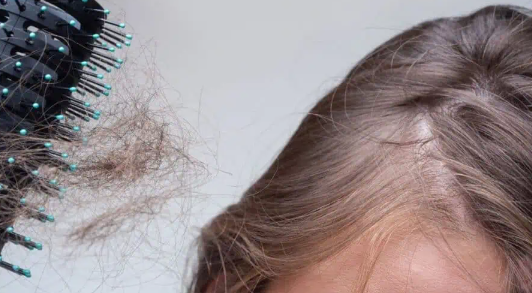
Hair thinning is a common concern that can affect individuals of all ages and backgrounds. It can be distressing not just physically but also emotionally as it impacts self-esteem. Understanding its causes and exploring effective solutions can empower you to take control of your hair health.
1. Causes of Hair Thinning
Hair thinning can arise from a variety of factors, both genetic and environmental. One of the primary causes is hereditary hair loss, also known as androgenetic alopecia. This condition affects both men and women, often leading to gradual thinning over the crown or front of the scalp.
In addition to genetics, lifestyle choices and health issues play a significant role in hair thinning. Stress, hormonal changes, inadequate nutrition, and certain medical conditions like thyroid disorders can contribute to thinning hair. Identifying the root cause is crucial for effective treatment.
-
- Consult a dermatologist for a professional diagnosis.
-
- Keep track of personal and family health history related to hair loss.
-
- Assess current medications and their side effects.
-
- Evaluate lifestyle factors such as diet and stress levels.
2. Effective Treatments for Hair Thinning
Once the causes are understood, several treatment options are available. Over-the-counter medications such as minoxidil (Rogaine) can stimulate hair growth and are often recommended for both men and women experiencing thinning. These treatments may take several months to show results, so patience is key.
In some cases, prescription medications like finasteride (Propecia) may be advised, especially for men. Additionally, options like laser therapy and platelet-rich plasma (PRP) treatments are gaining popularity as non-invasive methods to encourage hair regrowth. Always consult with a healthcare provider to determine the best treatment for your specific situation.
-
- Try topical treatments like minoxidil consistently.
-
- Explore prescription options if over-the-counter treatments are ineffective.
-
- Look into non-invasive therapies like laser treatments.
-
- Be patient, as results from these treatments may take time.
3. Lifestyle Changes to Combat Thinning Hair
Incorporating healthy lifestyle changes can significantly impact hair health. A balanced diet rich in vitamins and minerals like iron, biotin, and omega-3 fatty acids is essential for hair growth. Foods such as spinach, nuts, and fish can nurture hair follicles and prevent further thinning.
Moreover, managing stress is crucial for overall well-being and hair health. Regular exercise, mindfulness techniques, and adequate sleep can help mitigate stress levels, leading to healthier hair. Building good habits can not only improve hair thickness but also promote a more balanced lifestyle.
-
- Include nutrient-dense foods in your diet.
-
- Stay hydrated to support overall health.
-
- Engage in regular exercise to alleviate stress.
-
- Practice relaxation techniques like meditation or yoga.
In conclusion, hair thinning is a multifaceted issue that requires understanding and a well-rounded approach to treatment. By consulting with professionals, exploring effective therapies, and making healthy lifestyle choices, you can take proactive steps toward managing hair loss. Don’t hesitate to reach out for help and take control of your hair health journey.