
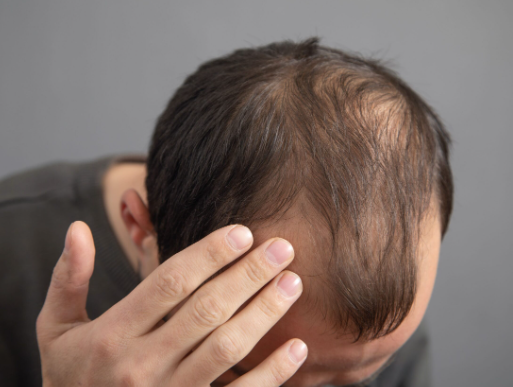
Hair loss is a common concern that affects millions of people around the world. Whether it’s due to genetics, stress, or health issues, losing hair can be distressing. Understanding the causes and available options can empower individuals to take control of their hair health.
1. Understanding the Causes of Hair Loss
Hair loss can arise from a variety of sources. The most frequent type is androgenetic alopecia, commonly known as male or female pattern baldness. This hereditary condition affects not only the quantity of hair but also the health of existing strands, leading to thinning and potential bald patches. Other causes may include hormonal changes due to pregnancy or menopause, specific medical conditions like alopecia areata, or even autoimmune disorders where the body attacks its own hair follicles.
Additionally, lifestyle factors such as poor diet, stress, and environmental influences can contribute significantly to hair loss. Deficiencies in vital nutrients like iron, zinc, and vitamins can hinder proper hair growth. Stress can trigger telogen effluvium, a condition where hair suddenly stops growing and shifts into the shedding phase. Recognizing these triggers is vital for anyone experiencing hair loss.
-
- Keep a hair diary to track shedding patterns.
-
- Look for family history of hair loss.
-
- Evaluate your stress levels and lifestyle habits.
-
- Monitor your diet to ensure you’re getting essential nutrients.
2. Effective Treatment Options
When it comes to addressing hair loss, several treatment options are available, depending on the underlying cause. For many people, over-the-counter solutions like minoxidil (Rogaine) can be effective in stimulating hair growth. It’s essential to apply it consistently as instructed to see noticeable results, typically within a few months. Another popular option is finasteride (Propecia), which is available by prescription and works by blocking hormones that cause hair loss in men.
For those with significant hair loss, hair transplant surgery could be the most viable solution. This involves moving hair follicles from thicker areas to balding patches. It’s typically a more permanent solution but requires a thorough consultation to ensure eligibility and manage expectations about the results.
-
- Consult with a dermatologist for personalized treatment recommendations.
-
- Consider non-invasive treatments like laser therapy.
-
- Research natural remedies, like essential oils or herbal supplements.
-
- Evaluate dietary changes that could promote hair health.
3. Preventive Measures and Lifestyle Adjustments
While not all hair loss is preventable, making specific lifestyle adjustments can greatly improve the health of your hair. A balanced diet rich in antioxidants, proteins, and good fats promotes overall hair health and growth. Foods like eggs, nuts, leafy greens, and fatty fish contain nutrients necessary for maintaining strong strands. Additionally, reducing heat styling and harsh chemical treatments can prevent unnecessary damage to hair.
Another key aspect of hair health is maintaining scalp health. Regular massages can improve blood circulation to hair follicles, enhancing nourishment and growth. Keeping the scalp clean and free of excess oils or products is important in creating a vibrant environment for hair to thrive.
-
- Incorporate hair-friendly foods into your diet.
-
- Limit the use of heat styling tools.
-
- Practice gentle hair care routines.
-
- Consider stress-relief techniques like yoga or meditation.
In conclusion, understanding the dynamics of hair loss can empower individuals seeking to maintain their hair health. Whether through lifestyle changes or professional treatments, taking actionable steps is crucial. Don’t hesitate to consult a healthcare professional to explore the best routes for managing your hair loss effectively.