
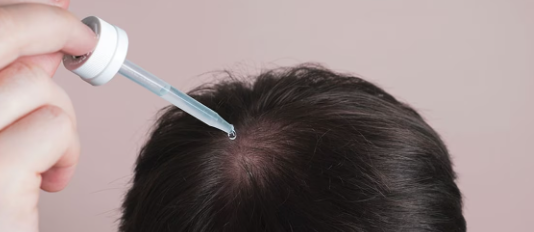
Hair loss can be a daunting experience, impacting self-esteem and confidence for many individuals. Fortunately, there are various treatments available that can help address this concern and promote hair growth. In this blog post, we’ll explore several effective hair loss treatments that you can consider.
1. Medications
Medications are one of the most common approaches to treat hair loss, especially for conditions like androgenetic alopecia or male and female pattern baldness. The two most frequently prescribed medications are minoxidil and finasteride. Minoxidil is a topical solution applied directly to the scalp, while finasteride is an oral medication that works by blocking the hormone responsible for hair loss. Both have been shown to stimulate hair growth and slow down the progression of hair thinning.
It’s essential to note that results may vary from person to person, and using these medications consistently is crucial for efficacy. While some may observe positive results within a few months, others might need longer before seeing improvements. Consulting a healthcare professional is advisable to discuss potential side effects and the best dosage based on individual needs.
-
- Consult a dermatologist for personalized advice on medication.
-
- Select a high-quality minoxidil product if opting for topical treatment.
-
- Stick to a regular application schedule for best results.
-
- Be aware of potential side effects and report any unusual reactions.
2. Natural Remedies
For those seeking a more holistic approach, natural remedies may offer some benefits in treating hair loss. Ingredients like essential oils (rosemary, peppermint) and herbal extracts (saw palmetto) have gained popularity due to their purported ability to improve scalp health and promote hair growth. Many users report positive outcomes when incorporating these natural treatments into their daily routine.
While natural remedies can be beneficial, keep in mind that scientific support for their effectiveness is variable. It’s recommended to conduct a patch test for essential oils to prevent scalp irritation. Additionally, combining these treatments with good hair care practices can yield better results.
-
- Try a scalp massage with rosemary oil to stimulate circulation.
-
- Use saw palmetto supplements cautiously; consult a healthcare provider first.
-
- Incorporate a balanced diet rich in vitamins and minerals for optimal hair health.
-
- Stay consistent and patient, as natural remedies may take longer to show results.
3. Hair Transplant Surgery
If medications and natural remedies do not yield satisfactory results, hair transplant surgery may be a viable option for some individuals. This procedure involves taking hair follicles from a donor site (commonly the back of the head) and implanting them in areas with thinning or no hair. Two popular techniques are Follicular Unit Transplantation (FUT) and Follicular Unit Extraction (FUE). Both techniques provide permanent results, but the choice between them depends on individual conditions and preferences.
Before opting for surgery, it’s crucial to have a thorough consultation with a qualified surgeon. They can assess your suitability for the procedure, potential results, and any risks involved. Recovery time typically ranges from a few days to a couple of weeks, during which special care must be taken to protect the scalp.
-
- Research clinics and surgeons thoroughly before choosing one.
-
- Ask questions during consultations about expected outcomes and recovery.
-
- Follow post-operative care instructions closely to ensure proper healing.
-
- Be realistic about the results and timeline of recovery.
4. Lifestyle Changes
It’s important to recognize that lifestyle factors significantly impact hair health. Stress, poor diet, and lack of sleep can contribute to hair loss. Therefore, adopting a healthier lifestyle may help mitigate some of these factors. Regular exercise, mindfulness practices, and proper nutrition can benefit overall well-being and potentially support hair growth.
Consider incorporating foods rich in omega-3 fatty acids, protein, and vitamins A, C, and E. Staying hydrated is equally essential in promoting healthy hair. Avoiding harsh hair treatments and minimizing the use of heat tools can also protect existing hair and reduce breakage.
-
- Engage in regular physical activity to manage stress levels.
-
- Consume a balanced diet with plenty of whole foods.
-
- Stay hydrated to improve overall health, including hair condition.
-
- Avoid smoking and excessive alcohol consumption.
In conclusion, addressing hair loss is a multifaceted process that may require a combination of treatments. Whether you opt for medications, natural remedies, surgical options, or lifestyle changes, the key is to start with a consultation with a healthcare professional. Taking the first step towards understanding your hair loss situation can lead to finding the right solution for you.