
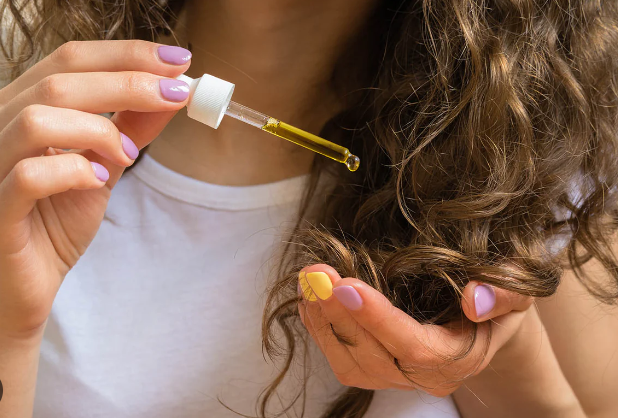
Hair growth oils have gained immense popularity in recent years, providing a natural solution for those seeking longer and healthier locks. With a plethora of options available, it’s essential to understand their benefits and how to choose the right one for your hair type. This guide will delve into the best practices, benefits, and tips surrounding hair growth oils.
1. Benefits of Hair Growth Oils
Using hair growth oils can have a profound impact on the health of your hair. These oils often contain essential nutrients, vitamins, and fatty acids that nourish the hair follicles and promote stronger growth. For instance, oils like castor and rosemary are known for their ability to stimulate circulation around the scalp, which in turn can help encourage hair growth.
Additionally, many hair growth oils offer excellent moisturizing properties, helping to reduce dryness and prevent breakage. When applied regularly, they can help rejuvenate damaged hair and make it more manageable. This is particularly beneficial for those with curly or frizzy hair, as oils can restore moisture and enhance shine.
-
- Look for oils rich in vitamins A, E, and omega fatty acids.
-
- Consider oils known for improving scalp circulation, such as rosemary and peppermint.
-
- Select oils that help with dryness and breakage, like jojoba or coconut oil.
-
- Check for natural and organic ingredients to avoid harsh chemicals.
2. Different Types of Hair Growth Oils
Not all hair growth oils are created equal; each type serves a unique purpose. For example, castor oil is often hailed for its high ricinoleic acid content, which can improve blood flow to the scalp. This makes it an excellent choice for those who want to boost hair growth. On the other hand, argan oil is rich in antioxidants and is great for conditioning, leaving hair soft and shiny.
Additionally, tea tree oil stands out for its antibacterial properties, making it suitable for those with scalp issues like dandruff or itching. Using the right oil tailored to your hair needs can drastically change the health and appearance of your hair over time.
-
- Identify your specific hair needs (growth, strengthening, moisturizing).
-
- Choose oils that cater to your goals, such as tea tree for scalp health.
-
- Mix different oils together for a personalized blend.
-
- Always perform a patch test before applying new oils to your scalp.
3. How to Use Hair Growth Oils Effectively
For optimal results, it’s crucial to apply hair growth oils correctly. Start by applying the oil to a clean, dry scalp. Use your fingertips to gently massage the oil into your scalp, which not only helps distribute the product but also promotes blood circulation to the hair follicles. Spending a few minutes massaging can make a significant difference in efficacy.
After the application, let the oil sit for a while. You can leave it on for at least 30 minutes or overnight for deeper penetration. When you wash it out, use a mild shampoo to ensure you remove all oil residue without stripping your hair of moisture.
-
- Massage the oil into your scalp using your fingertips.
-
- Consider leaving the oil in overnight for maximum absorption.
-
- Use a shower cap to avoid staining pillowcases if leaving overnight.
-
- Wash out using a gentle shampoo to retain moisture.
4. Common Mistakes to Avoid When Using Hair Growth Oils
While hair growth oils can be highly beneficial, some common mistakes can reduce their effectiveness. One frequent error is overapplying the oil, which can lead to greasy hair and scalp buildup. A little goes a long way, so start with a small amount and add more if necessary. Additionally, some might neglect to properly massage the oil into their scalp, missing out on the benefits of improved circulation.
Consistency is also key. Some users may apply oil sporadically and expect immediate results, whereas regular application is crucial for seeing significant change. Incorporate it into your routine and give it some time to work.
-
- Avoid applying too much oil; a small amount is often enough.
-
- Don’t skip the scalp massage—it’s essential for stimulating growth.
-
- Be patient; results take time and consistent application.
-
- Don’t forget to maintain a healthy diet to support hair growth.
In conclusion, hair growth oils present a natural and effective option for enhancing the health and appearance of your hair. By understanding the various types, benefits, and application methods, you can start a personalized routine that suits your needs. Consider consulting a professional or seeking personalized advice if you want to dive deeper into finding the best products for your hair type.