
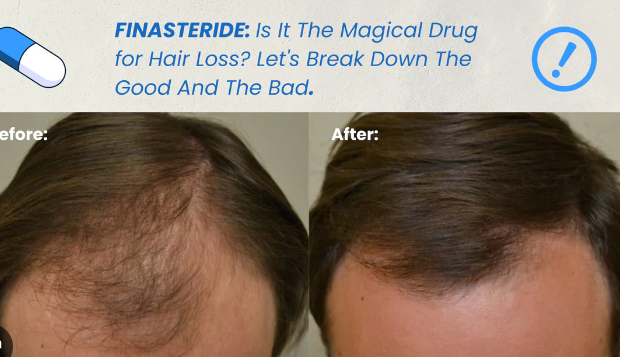
Finasteride is a popular medication that many people turn to for combating hair loss. Specifically, it is effective for male and female pattern baldness and is often prescribed to help maintain existing hair while promoting new growth. Understanding how finasteride works and its implications can be invaluable for those struggling with hair loss.
1. What is Finasteride?
Finasteride is an oral medication that primarily functions as a 5-alpha-reductase inhibitor. By blocking the enzyme responsible for converting testosterone into dihydrotestosterone (DHT), it helps to reduce hair loss that occurs due to hormonal changes. DHT is known to shrink hair follicles, leading to thinning hair or bald spots that many experience as they age.
This medication is mainly used to treat male pattern baldness and is often prescribed at a dosage of 1 mg per day. In women, particularly post-menopausal women, a higher dose might be considered for treating their unique patterns of hair loss. It’s important to consult with a healthcare professional to determine if finasteride is suitable for your case.
-
- Research the effectiveness before starting.
-
- Consult a healthcare provider for a prescription.
-
- Maintain regular follow-ups to monitor results.
-
- Be aware of potential side effects.
2. How Effective is Finasteride?
The effectiveness of finasteride in treating hair loss is well-documented. Clinical studies have shown that about 80% of men taking finasteride experience a halt in hair loss, while nearly 65% also notice regrowth within the first year of treatment. Results can vary based on individual response and the degree of hair loss before starting the medication.
One notable aspect of finasteride is that its effectiveness can take time. Most users may not notice significant changes until six months after initiating treatment, and consistent use is vital for maintaining results. If discontinued, any hair gained during treatment may be lost within a year.
-
- Be patient; it may take 3-6 months to see results.
-
- Adhere to the prescribed dosage strictly.
-
- Understand that results vary from person to person.
-
- Never stop taking without consulting your doctor.
3. What are the Side Effects of Finasteride?
While many people tolerate finasteride well, it does come with potential side effects that users should be aware of. The most common side effects include decreased libido, erectile dysfunction, and ejaculation disorders. Generally, these side effects are reversible after discontinuation of the drug, but they can be severe for some individuals.
Additionally, there can be more serious, though rare, side effects like breast tenderness and an increase in the risk of prostate cancer. As such, it is essential to discuss not just the benefits but also the risks with a healthcare provider before starting treatment. Monitoring side effects regularly can help manage any concerns that arise.
-
- Monitor any changes in sexual health and report them.
-
- Discuss any concerns with a healthcare provider.
-
- Educate yourself on rare side effects that may occur.
-
- Stay informed on ongoing research related to finasteride.
In summary, finasteride can be an effective treatment for those experiencing hair loss, though it comes with its share of pros and cons. Consulting a healthcare professional can help determine if it’s the right option for you. Keep in mind the importance of ongoing monitoring to ensure both efficacy and safety.
If you are struggling with hair loss, consider speaking with a professional to explore treatment options like finasteride. Starting this journey can help you regain confidence and take control of your hair health.