
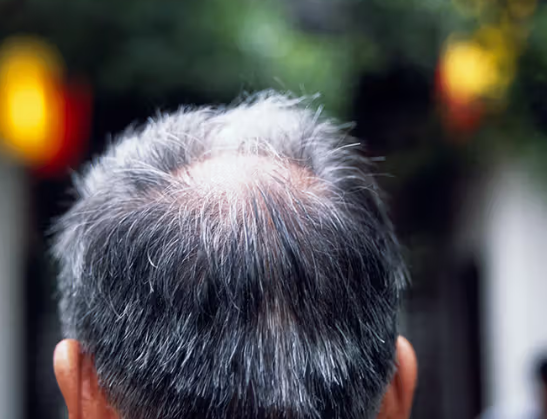
Excessive hair shedding is a common concern that can affect anyone, regardless of their age or gender. While some degree of hair loss is normal, especially with seasonal changes, dealing with an ongoing issue can be distressing. Understanding the causes and remedies can help you regain control of your hair health.
1. Understanding the Causes of Excessive Hair Shedding
Excessive hair shedding can be triggered by a variety of factors. Hormonal changes, such as those that occur during pregnancy, menopause, or due to conditions like polycystic ovary syndrome (PCOS), can lead to increased hair loss. Other factors include stress, which can disrupt the hair growth cycle and push more hairs into the shedding phase.
Environmental influences are also significant contributors. This may involve exposure to harsh chemicals in hair products or frequent styling that can damage hair follicles. Nutritional deficiencies, particularly in iron, vitamin D, and certain B vitamins, can weaken hair structure and contribute to shedding.
-
- Keep a diary of any changes in your health or lifestyle.
-
- Monitor hormonal levels if you suspect an imbalance.
-
- Minimize chemical exposure by choosing natural hair products.
-
- Maintain a balanced diet rich in essential nutrients.
2. Recognizing the Signs of Hair Shedding and Damage
Recognizing hair shedding vs. hair loss is crucial for managing the issue effectively. Shedding is often characterized by noticing more hair on your brush or in the drain. In contrast, hair loss typically involves thinning patches or bald spots. Observing your shedding pattern can help you determine if it’s a temporary issue or something that needs further investigation.
Aside from shedding, other signs of hair health issues might include dryness, brittleness, and breakage. Pay attention to whether your hair feels thin or if the scalp becomes more visible. These indicators could signal damage that requires immediate care to prevent further loss.
-
- Assess your hair regularly to identify any changes in thickness or texture.
-
- Record the amount of hair you shed daily over a week.
-
- Check for any scalp irritation or conditions like dandruff that could worsen shedding.
-
- Consult a professional if you notice significant changes or have concerns.
3. Effective Remedies and Solutions for Hair Shedding
Dealing with excessive hair shedding can be approached from several angles. Lifestyle changes such as stress management techniques like yoga or meditation can significantly improve overall hair health. Additionally, using gentle hair care products and minimizing heat styling can help prevent further damage.
Incorporating specific vitamins and minerals into your diet can also promote hair growth. Foods rich in omega-3 fatty acids, zinc, and antioxidants can nourish the hair follicles and improve hair strength. Additionally, topical treatments, such as essential oils, are known to enhance scalp health and stimulate hair growth.
-
- Implement stress-reducing activities into your daily routine.
-
- Choose sulfate-free shampoos and conditioners.
-
- Integrate omega-3 fatty acids through foods like fish, flaxseeds, and walnuts.
-
- Consider supplements after consulting a healthcare provider.
-
- Try essential oils like rosemary or peppermint mixed with a carrier oil for scalp massage.
4. When to Seek Professional Help
It’s essential to know when to consult a healthcare professional regarding hair shedding. If you notice sudden or excessive shedding lasting longer than six months, it may indicate an underlying health issue, such as thyroid problems or alopecia areata, an autoimmune disorder. A dermatologist can provide insights into more specific treatments tailored to your condition.
Professional evaluation may also be necessary if you experience significant hair loss accompanied by additional symptoms like fatigue, weight changes, or other health concerns. Diagnostic tests or bloodwork can help identify any nutritional deficiencies or hormonal imbalances affecting your hair health.
-
- Keep track of your hair shedding patterns to discuss with a professional.
-
- Be prepared to share your medical history, including any recent stressors.
-
- Ask about diagnostic tests that can identify underlying issues.
-
- Inquire about treatment options tailored to your hair loss type.
Excessive hair shedding is a troubling issue that many face, but understanding its causes and solutions can empower you to take action. Whether through lifestyle changes, dietary improvements, or seeking professional guidance, you can work towards healthier hair. Be proactive and consult a healthcare provider if you are concerned about your hair health today!