
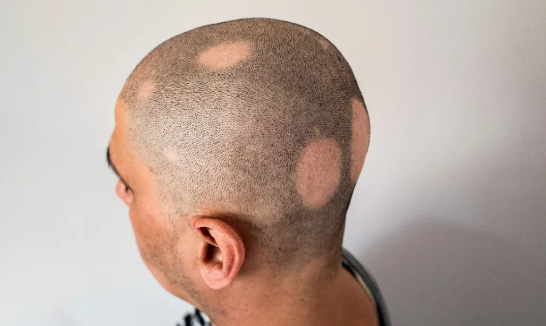
Alopecia is a condition that results in hair loss, affecting millions of people globally. It can manifest in various forms, leading to distress and uncertainty about its causes and treatments. Understanding alopecia is essential for those experiencing it, as well as for their families and friends.
1. Types of Alopecia
Alopecia comes in several forms, with the most common being alopecia areata, alopecia totalis, and androgenetic alopecia. Alopecia areata typically results in patchy hair loss and occurs when the immune system mistakenly attacks hair follicles. In contrast, alopecia totalis involves total loss of hair on the scalp, while androgenetic alopecia, also known as male or female pattern baldness, is a genetic condition leading to gradual hair thinning. Knowing the type of alopecia one is facing is crucial in seeking appropriate treatment.
Each type may manifest differently, and understanding these distinctions can aid in navigating the often emotional journey of hair loss. For example, individuals with alopecia areata may experience sudden hair loss in specific areas, while those with androgenetic alopecia may notice a gradual thinning of hair over time. Awareness of these forms helps individuals manage their expectations and seek targeted interventions.
-
- Consult a dermatologist for an accurate diagnosis.
-
- Document your hair loss pattern over time.
-
- Research specific types of alopecia for better understanding.
-
- Join support groups to connect with others experiencing similar issues.
2. Causes of Alopecia
The causes of alopecia can be multifaceted, ranging from genetic predisposition to environmental factors. Genetics plays a significant role, especially in androgenetic alopecia, where family history can indicate a higher risk. On the other hand, stresses, trauma, or even certain autoimmune disorders can trigger conditions like alopecia areata. Understanding these causes is important for targeting treatment effectively.
Moreover, lifestyle choices such as diet and stress management can greatly influence the health of your hair. For instance, deficiencies in certain vitamins and minerals like zinc, vitamin D, and iron might exacerbate hair loss. By focusing on holistic well-being, individuals may improve their hair health in conjunction with medical treatments.
-
- Maintain a balanced, nutritious diet rich in vitamins.
-
- Manage stress through exercises like yoga or mindfulness techniques.
-
- Avoid harsh hair treatments and styles that pull on the hair.
-
- Consider genetic counseling if there’s a family history of hair loss.
3. Treatment Options
Treatment options for alopecia vary based on the type and severity of hair loss. Topical treatments, such as minoxidil, are widely used to promote hair regrowth and can be effective for androgenetic alopecia. Additionally, corticosteroid injections may help reduce inflammation in alopecia areata, potentially reversing hair loss in some cases. For those seeking more permanent solutions, hair transplant surgery may be an option, although it’s not suitable for everyone.
Incorporating natural remedies can also be beneficial in managing hair health. Essential oils like rosemary and peppermint oil have shown promise in promoting hair growth for some individuals. Additionally, embracing wigs or hairpieces can provide a cosmetic solution while one explores medical treatments. Choosing the right approach requires individual consideration and, often, consultation with healthcare professionals.
-
- Explore topical treatments recommended by dermatologists.
-
- Speak to a healthcare provider about corticosteroid options.
-
- Research natural remedies and their effectiveness.
-
- Consider hair transplant options if applicable to your case.
-
- Stay informed about advancements in alopecia treatments.
Dealing with alopecia can be challenging, but with the right information and support, individuals can navigate their journey with confidence. Whether through medical treatments, lifestyle adjustments, or emotional support, there are steps one can take to manage hair loss effectively.
If you or a loved one is experiencing hair loss, it’s essential to consult a healthcare professional for guidance tailored specifically to your situation. Taking proactive steps can help you regain confidence and control over your hair health.