
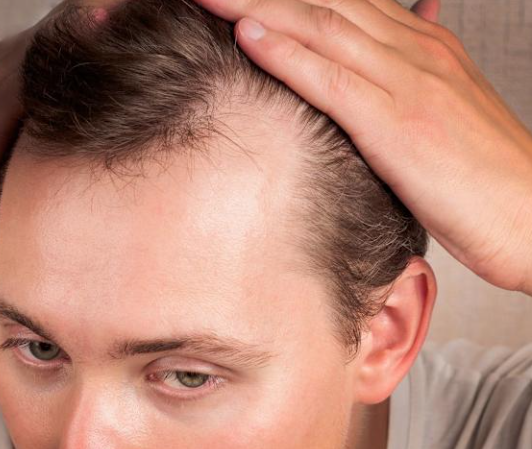
Receding hairlines are a common condition that can affect both men and women as they age. While it can be disheartening to notice thinning hair or hairline changes, understanding the causes and options available can empower you to take control and explore solutions.
1. Causes of Receding Hairlines
Several factors contribute to the development of a receding hairline, with genetics being one of the most significant. If you have a family history of hair loss, you might be genetically predisposed to experience a receding hairline earlier in life. This genetic factor is often linked to androgenetic alopecia, commonly known as male or female pattern baldness, which progresses over time with age.
Besides genetics, hormonal changes can also contribute. Conditions like thyroid dysfunction, hormonal imbalances due to pregnancy, or menopause can lead to thinning hair and a receding hairline. Stress, nutritional deficiencies, and certain medical conditions can equally play a role.
-
- Keep a hair loss journal to track changes.
-
- Discuss family history with your dermatologist.
-
- Monitor hormone levels if experiencing significant changes.
-
- Maintain a balanced diet to ensure adequate nutrition.
2. Treatments for Receding Hairlines
There are a variety of treatment options available to address a receding hairline. The most common over-the-counter option is minoxidil, a topical solution that can stimulate hair regrowth for some individuals. It’s essential to have realistic expectations as results can vary, and the treatment requires consistent application over several months.
Another option is finasteride, which is a prescription medication aimed at reducing the effects of testosterone that can lead to hair loss. However, this treatment comes with potential side effects, so it is vital to discuss it thoroughly with a healthcare provider before starting.
-
- Consult with a dermatologist for personalized options.
-
- Consider topical treatments like minoxidil.
-
- Ask about prescription medications like finasteride.
-
- Stay consistent with treatments to see results.
3. Lifestyle Changes to Mitigate Hair Loss
Adopting a healthy lifestyle can help mitigate the effects of hair loss. Regular exercise improves blood circulation, which can promote hair health by delivering essential nutrients to hair follicles. Additionally, reducing stress through practices like yoga or meditation can help combat hair loss caused by tension.
Nutrition also plays a crucial role. Vitamins like biotin and minerals like zinc are integral to hair health. Incorporating foods rich in these nutrients, such as eggs, nuts, spinach, and salmon, can support hair growth and strengthen existing hair.
-
- Engage in regular physical activity.
-
- Include stress-reducing techniques in your routine.
-
- Eat a balanced diet high in vitamins and minerals.
-
- Stay hydrated to promote overall health.
4. Emotional Impact of Hair Loss
The emotional impact of a receding hairline should not be overlooked. Many individuals experience decreased self-esteem and confidence when facing hair loss. It’s crucial to acknowledge these feelings and understand that you’re not alone in this experience; many others share similar concerns.
Support groups, either online or in person, can provide a valuable outlet for discussing feelings and finding community among those experiencing similar challenges. Speaking with a mental health professional can also help you cope effectively, providing tools to manage any negative emotions associated with hair loss.
-
- Recognize and accept your feelings about hair loss.
-
- Seek support groups to connect with others.
-
- Consider talking to a therapist if emotional distress increases.
-
- Start engaging in positive self-affirmations.
In conclusion, understanding the factors contributing to a receding hairline and the available treatments can be an empowering step forward. If you’re concerned about your hair loss, consider consulting a professional who can provide you with personalized advice and treatment options. Taking charge of your hair health can lead to improved confidence and well-being.