
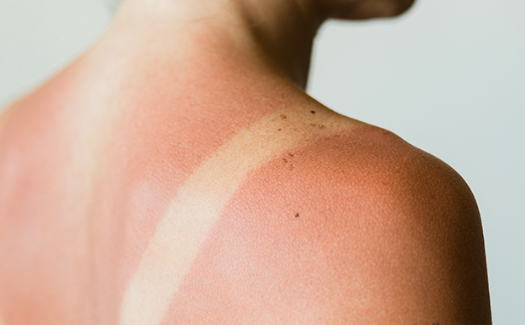
After a fun day in the sun, your skin deserves some special care. Sun exposure can lead to dryness, irritation, and even long-term damage. Learning how to cleanse your skin properly after sun exposure is essential for maintaining a healthy and radiant complexion.
1. Gentle Cleansing: The First Step
The first and most critical step in your post-sun skincare routine is gentle cleansing. After spending time outdoors, your skin is often coated with sweat, sunscreen, and dirt. Using a mild, hydrating cleanser will help remove impurities without stripping your skin of its natural oils. Look for a cleanser that is sulfate-free and contains soothing ingredients like aloe or chamomile.
When cleansing, use lukewarm water instead of hot, as hot water can further dehydrate your skin. Gently massage the cleanser onto your skin in circular motions for about 30 seconds before rinsing it off. This way, you’ll effectively remove any residue while maintaining your skin’s moisture balance.
-
- Choose a sulfate-free cleanser.
-
- Use lukewarm water for washing.
-
- Massage the cleanser gently for 30 seconds.
-
- Rinse thoroughly to remove all product.
2. Hydrating and Soothing Your Skin
After cleansing, the next step is to hydrate and soothe your skin. The sun can deplete your skin’s moisture, so it’s crucial to apply a hydrating toner or essence immediately after cleansing. Products containing hyaluronic acid or glycerin are fantastic for attracting moisture back into the skin. They not only help plump up your cells but also create a barrier to prevent further moisture loss.
Along with hydrating toners, consider applying a soothing gel or lotion with ingredients like oatmeal, aloe vera, or calendula. These ingredients have anti-inflammatory properties that can help reduce redness and irritation from sun exposure. Apply this product generously on the areas most affected by the sun for a cooling effect.
-
- Use a toner or essence with hyaluronic acid.
-
- Apply soothing gels containing aloe vera or oatmeal.
-
- Focus on areas of redness or irritation.
-
- Reapply as needed for additional hydration.
3. Replenishing Nutrients and Barrier Support
After cleansing and hydrating, it’s vital to nourish your skin with nutrients and support your skin barrier. Look for serums or creams rich in antioxidants such as Vitamin C, Vitamin E, and ferulic acid. These ingredients can help combat free radical damage caused by UV rays, promoting skin repair and rejuvenation.
Additionally, consider using a moisturizer with ceramides or fatty acids. These ingredients help to restore the skin barrier, preventing moisture loss and keeping your skin feeling soft and smooth. Make sure to apply the moisturizer while the skin is still slightly damp to lock in hydration effectively.
-
- Incorporate serums with antioxidants like Vitamin C.
-
- Select a moisturizer with ceramides or fatty acids.
-
- Apply while skin is damp for better absorption.
-
- Use a gentle patting motion to spread the product.
4. Sun Protection: A Crucial Aftercare Step
Although it may seem counterintuitive, it’s critical to apply sunscreen even after a day of sun exposure. Protecting your skin from further damage is essential for repair and recovery. Choose a broad-spectrum sunscreen with SPF 30 or higher to safeguard against both UVA and UVB rays. Make sure to apply it generously, covering all exposed areas, and reapply every two hours or after sweating or swimming.
Additionally, during the recovery phase after sun exposure, consider wearing protective clothing, hats, and sunglasses when going out. These physical barriers enhance your sunscreen’s effects and provide extra protection for your skin as it heals.
-
- Use a broad-spectrum sunscreen with SPF 30 or higher.
-
- Reapply every two hours.
-
- Wear protective clothing and accessories when outdoors.
-
- Consider additional SPF products like makeup with sunscreen.
In conclusion, taking the right steps to cleanse and care for your skin after sun exposure is vital for healthy skin. Whether it’s gentle cleansing, hydrating, or replenishing nutrients, each step plays a crucial role in promoting your skin’s recovery. Consider establishing a consistent post-sun routine, and consult a skincare professional if you notice any persistent reactions or symptoms.