
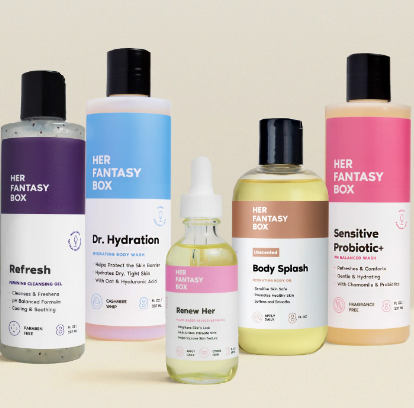
After giving birth, many women experience a range of physical changes, particularly in their skin. Dry skin is a common issue during the postpartum period, often exacerbated by hormonal shifts and the rigors of new motherhood. This blog post will explore effective strategies for caring for dry skin in those crucial months after delivery.
1. Understanding Postpartum Dry Skin
Postpartum dry skin can be attributed to several factors, including hormonal fluctuations, lack of sleep, and environmental conditions. After giving birth, estrogen and progesterone levels drop significantly, impacting skin hydration levels. Additionally, the stress of new motherhood can lead to lifestyle changes that contribute to dryness, such as reduced water intake or less time for personal care.
Environmental factors like changes in weather can also affect skin texture. For instance, moving from a humid pregnancy to winter can make dry skin problems worse. Recognizing the underlying causes of your skin condition is crucial for developing an effective skincare routine that meets your postpartum needs.
-
- Stay informed about your hormonal changes.
-
- Identify triggers for your dry skin.
-
- Consult your healthcare provider if dryness persists.
-
- Monitor your lifestyle habits such as diet and hydration.
2. Essential Moisturizers and Hydration
Choosing the right moisturizer is essential in combating postpartum dry skin. Look for products enriched with ingredients like hyaluronic acid, glycerin, or ceramides, which help to attract and lock in moisture. Consider incorporating heavier creams or oils into your routine, particularly for areas more prone to dryness, such as your hands, elbows, and legs.
Hydration isn’t just about applying products; it’s also vital to hydrate from within. Drinking plenty of water helps maintain skin elasticity and suppleness. Incorporating hydrating foods like fruits and vegetables into your diet can boost your overall skin health while also supporting your breastfeeding journey if applicable.
-
- Invest in high-quality moisturizers specifically for dry skin.
-
- Apply moisturizers immediately after bathing to lock in moisture.
-
- Drink at least 8 glasses of water daily.
-
- Add hydrating foods like cucumber and oranges to your meals.
3. Gentle Cleansing Practices
While it may be tempting to wash your face and body frequently, overly aggressive cleaning routines can worsen dryness. Use gentle, hydrating cleansers that don’t strip your skin of its natural oils. Look for pH-balanced products that are fragrance-free and designed for sensitive skin.
When cleansing, it’s beneficial to be more mindful about water temperature; lukewarm water is best as hot water can contribute to further drying out your skin. Additionally, try limiting your showers to 10-15 minutes to avoid dehydration. Follow your cleansing routine with an immediate application of moisturizer to keep your skin hydrated.
-
- Use mild, hydrating cleansers instead of harsh soaps.
-
- Avoid hot water; choose lukewarm for cleansing.
-
- Keep showers brief to prevent moisture loss.
-
- Moisturize right after cleansing for maximum absorption.
4. Incorporating Extra Hydration with Oils and Masks
Natural oils can serve as an excellent adjunct to standard moisturizing routines. Oils like jojoba, almond, and coconut can provide a protective barrier against moisture loss. Simply apply a few drops of oil onto damp skin or mix it with your lotion for an extra hydration boost.
Facial masks and body masks designed for hydration can also be highly effective. Look for ones that contain ingredients like honey, aloe vera, or shea butter to restore and maintain moisture levels. Aim to use these masks at least once a week for best results.
-
- Incorporate natural oils into your daily routine.
-
- Try mixing oils with your regular moisturizer.
-
- Use hydrating masks weekly for added moisture.
-
- Choose masks with natural ingredients for the safest option.
5. Seeking Professional Help
If your dry skin persists despite consistent care, it may be time to consult a dermatologist or healthcare provider. Professional advice can be essential, especially if you experience severe symptoms such as cracks, scaling, or redness. A specialist can offer personalized treatments that may include prescription moisturizers or topical therapies.
Additionally, consider discussing holistic approaches with a healthcare provider, such as managing stress through mindfulness or supplements that improve skin health. These professional insights can empower you to take control of your skin health post-birth.
-
- Don’t hesitate to reach out for professional advice.
-
- Document your symptoms for better consultations.
-
- Consider holistic wellness options for overall skin health.
-
- Be proactive in your skincare routine adjustments.
Postpartum dry skin can be challenging, but with the right care and knowledge, you can effectively manage it. Start by creating a personalized skincare routine and don’t hesitate to seek professional help if needed. Your skin deserves love and attention, especially during this transformative time!