
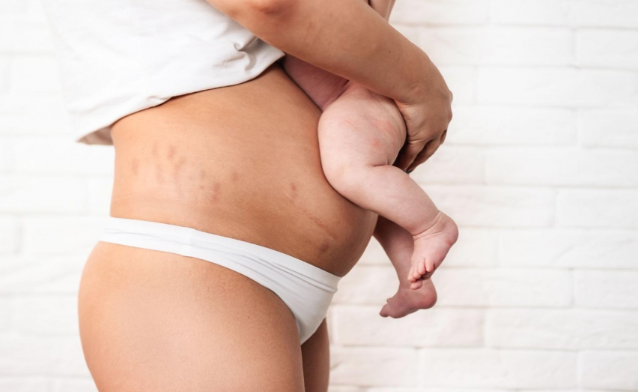
Welcoming a new baby brings immense joy, but it can also lead to physical changes that may require extra attention, especially in the thigh area. Postpartum thigh care is essential not only for comfort but also for fostering overall recovery and well-being. Here are some valuable tips to help you navigate this new chapter while caring for your body.
1. Stay Hydrated and Nourished
Proper hydration plays a crucial role in postpartum recovery. Staying well-hydrated can aid in reducing swelling and promoting better circulation, which is vital for healing. Drinking enough water helps maintain skin elasticity, which can be particularly beneficial during the recovery period as your body readjusts.
A balanced diet rich in vitamins and minerals is equally important. Foods high in protein, calcium, and fiber can support muscle recovery and help regulate energy levels, making daily tasks and baby care more manageable. Incorporate fruits, vegetables, whole grains, and lean proteins into your meals to nourish both you and your little one.
-
- Drink at least 8-10 glasses of water daily.
-
- Include hydrating foods like cucumbers and watermelon.
-
- Prioritize protein-rich foods such as chicken, fish, and legumes.
-
- Snack on nuts and fruits for quick nourishment.
2. Gentle Stretching and Light Exercise
Once your healthcare provider gives you the green light, consider incorporating gentle stretching and light exercises into your daily routine. Start slowly with stretches that target the thighs, hips, and lower back to enhance flexibility and alleviate any stiffness. Simple movements like seated leg lifts and gentle lunges can be beneficial without overstraining your body.
Walking is another excellent way to engage your thigh muscles while allowing your body to gradually transition back to more intense forms of exercise. A daily walk not only strengthens your legs but also provides an opportunity for some fresh air and bonding time with your baby. Remember, every bit of movement counts!
-
- Begin with simple stretching exercises for 5-10 minutes daily.
-
- Gradually increase your walking time to 20-30 minutes.
-
- Incorporate exercises focusing on leg strength.
-
- Listen to your body and rest when needed.
3. Foam Rolling and Massage Techniques
Foam rolling can be an effective way to relieve tension in your thigh muscles, especially after long hours spent sitting or caring for your baby. By using a foam roller, you can target specific tight areas and promote muscle recovery. Rolling can help to increase blood flow and reduce soreness, giving your thighs the care they deserve.
Additionally, consider self-massage techniques or scheduling a professional massage to further enhance relaxation and recovery. Focus on the inner thighs and quads, using gentle pressure to alleviate any tightness. This can also be a great way to reconnect with your body during the postpartum period.
-
- Spend a few minutes foam rolling each thigh daily.
-
- Focus on problematic areas and avoid painful spots.
-
- Schedule a professional massage when possible.
-
- Practice gentle self-massage in your own time.
4. Focus on Posture and Supportive Gear
Maintaining good posture is essential for preventing unnecessary strain on your thighs and supporting your recovery. Take note of how you sit, stand, and carry your baby. Adopting proper positioning can significantly reduce tension, especially in the thighs and lower back areas. Using supportive pillows while breastfeeding or holding your baby can help maintain a more neutral posture.
Investing in supportive clothing, such as high-waisted leggings or postpartum girdles, can also assist in providing additional support as your body shrinks back. These items can help lift and support your thighs and abdomen, creating a sense of comfort and stability while you adjust to your postpartum body.
-
- Practice mindful posture throughout the day.
-
- Use pillows for support while feeding your baby.
-
- Invest in supportive clothing for comfort.
-
- Avoid crossing your legs for extended periods.
5. Monitor Changes and Seek Professional Advice
Every woman’s postpartum experience is unique, and monitoring any changes in your body can help ensure a smoother recovery. Keep track of any pain, swelling, or discomfort in your thighs and consult a healthcare professional if you notice something unusual. They can provide tailored advice based on your specific situation and needs.
Don’t hesitate to seek help from physical therapists or specialists trained in postpartum care. They can guide you through recovery exercises and ensure you are using the correct techniques to prevent injuries. Taking proactive steps now can lead to a healthier, happier recovery.
-
- Keep a journal to note any changes in your body.
-
- Schedule regular check-ups with your healthcare provider.
-
- Consult a physical therapist if needed.
-
- Be open about any concerns regarding your recovery.
In conclusion, postpartum thigh care is an essential component of your recovery journey. By staying hydrated, engaging in gentle exercises, using massage techniques, maintaining good posture, and monitoring changes, you’ll pave the way for a smoother transition into this beautiful new chapter. Don’t hesitate to consult with healthcare professionals to support your journey further and feel your best!