
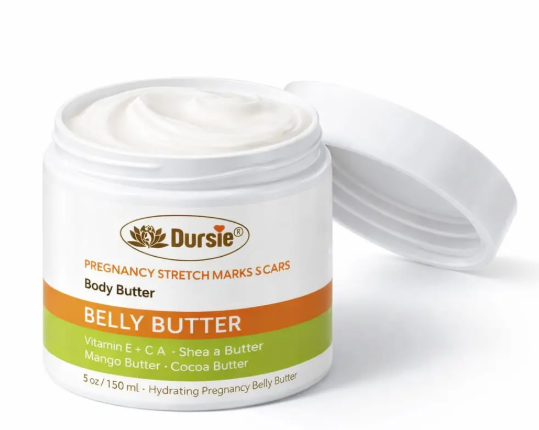
The postpartum period brings about numerous changes in a woman’s body, and one area that often requires special attention is the skin, particularly around the hips. From stretch marks to dryness and sensitivity, understanding how to care for this part of your body can make a significant difference in your comfort and confidence. This blog post aims to provide practical advice for postpartum hip skin care, helping new mothers navigate this journey.
1. Understanding Your Skin Changes
After giving birth, hormonal fluctuations can lead to various skin changes. The skin around the hips may initially feel more sensitive due to the rapid stretching and potential tearing during delivery. This can result in conditions such as dryness, itchiness, and even the emergence of stretch marks, which occur as the skin stretches beyond its limit. Being aware of these changes is the first step towards effective care.
In addition to stretch marks, many women experience pigmentation changes in the postpartum period, known as androgenetic alopecia. This can cause skin discoloration or dark patches, which may impact how you feel in your own skin. By understanding these potential changes, you can better prepare for your skin care regimen and make informed choices about products and treatments suitable for postpartum skin.
-
- Track changes in your skin through weekly photos.
-
- Keep a diary of any sensitivity or discomfort.
-
- Seek advice from a dermatologist if you notice persistent issues.
-
- Stay informed about the typical postpartum skin changes.
2. Effective Moisturization Techniques
Moisturizing the hip area is essential for combatting dryness and maintaining skin elasticity. Products rich in ingredients such as hyaluronic acid, glycerin, and shea butter are excellent choices to hydrate the skin. Using these moisturizers daily can help to lock in moisture and create a protective barrier against environmental factors that may cause irritation.
An excellent technique for moisturizing is the ‘layers’ method. This involves applying a hydrating serum followed by a thicker cream or oil for sealing in moisture. Implementing this multi-step process will ensure deeper hydration and improve the overall texture of your skin. Remember to also apply moisturizer immediately after bathing to maximize absorption.
-
- Choose thick creams or oils specifically designed for postpartum skin.
-
- Apply moisturizer while your skin is still damp from the shower.
-
- Incorporate a hydrating serum in your routine.
-
- Consider natural oils like coconut or almond oil for added nourishment.
3. Gentle Exfoliation for Skin Renewal
Exfoliating your skin gently can help remove dead skin cells, promoting healthier and smoother skin around the hips. It’s essential to choose a mild exfoliant, especially post-delivery as your skin might be more sensitive. A sugar or coffee scrub can serve as an excellent weekly treatment that not only exfoliates but also stimulates circulation and promotes healing.
When exfoliating, use gentle circular motions and avoid applying too much pressure to prevent irritation. After exfoliation, always follow up with a rich moisturizer to soothe and replenish your skin. Exfoliating once a week can significantly enhance the appearance and feel of your skin.
-
- Use a gentle exfoliant suitable for sensitive skin.
-
- Limit exfoliation to once a week.
-
- Always moisturize post-exfoliation.
-
- Pay attention to your skin’s reaction and adjust frequency if needed.
4. Sun Protection is Essential
Postpartum skin can often be more susceptible to sun damage, especially with the hormonal changes happening in your body. Applying a broad-spectrum sunscreen with SPF 30 or higher is crucial for protecting your hips and surrounding areas from harmful UV rays. This is particularly important if you are dealing with pigmentation changes or if your stretch marks are exposed to the sun.
In addition, wearing protective clothing and seeking shade during peak sun hours can further protect your skin. Remember, sun protection isn’t just for vacations; it should be a year-round routine, especially during the postpartum period when skin may be in a more vulnerable state.
-
- Apply sunscreen daily, even on cloudy days.
-
- Choose skincare products with built-in SPF.
-
- Wear long clothing or use umbrellas for protection.
-
- Reapply sunscreen every two hours if exposed to the sun.
Caring for your skin during the postpartum period is a journey that requires attention and dedication. By implementing effective skin care techniques tailored for your unique needs, you can restore your skin’s health and regain your confidence. If you have specific concerns or ongoing problems, don’t hesitate to consult a skincare professional for tailored advice. Start your journey to healthy skin today!