
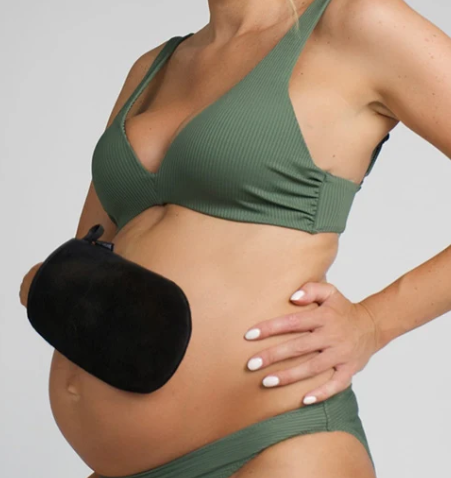
Pregnancy brings many changes, both physically and emotionally, and one common concern for expectant mothers is maintaining their appearance. Self-tanners may seem like a simple solution for achieving that sun-kissed glow without the risks of sun exposure. However, the question arises: is it safe to use self-tanner during pregnancy? In this post, we’ll explore the key factors to consider and some practical advice for those looking to enhance their skin’s appearance while navigating this unique period.
1. Understanding Self-Tanner Ingredients
Self-tanners typically contain dihydroxyacetone (DHA), a color additive that reacts with the amino acids in the outer layer of the skin. While DHA is generally regarded as safe, especially for topical use, pregnant women may have concerns about chemical exposure. The skin absorbs some substances, raising questions about whether trace amounts might reach the bloodstream and affect the developing fetus.
Mild exposure during pregnancy is not conclusively linked to adverse effects, but caution is always wise. It’s essential to read the labels carefully and choose products that use natural or organic ingredients when available. This can provide peace of mind while still achieving a desired bronzed look.
-
- Examine product labels for DHA concentrations.
-
- Consider opting for organic or natural self-tanners.
-
- Consult a healthcare provider if unsure about specific ingredients.
-
- Patch-test any new product before applying widely.
2. Application Techniques and Safety Precautions
When it comes to applying self-tanner during pregnancy, technique matters. Take the time to prepare your skin by exfoliating beforehand; this creates a smooth canvas and can help prevent streaking. Always follow instructions and apply the product in a well-ventilated area to minimize inhalation of fumes.
Additionally, consider whether to apply the tanner yourself or seek professional help. A trained esthetician can ensure an even application and offer guidance on safe products. However, if you choose to apply at home, allow for extra time to avoid rushing and making mistakes that could impact your results.
-
- Exfoliate thoroughly before application.
-
- Use gloves to avoid staining your hands.
-
- Apply in a well-ventilated area to reduce inhalation risk.
-
- Consider professional application for an even finish.
3. Alternatives to Self-Tanning Products
If you’re still concerned about using self-tanners during pregnancy, there are alternative methods to achieve a sun-kissed look safely. Consider bronzers or tinted moisturizers as they offer a temporary color without the need for chemical reactions that self-tanners require. These products merely sit on the skin’s surface, making them a safer option.
Another option you can explore is using a gradual tanning lotion. These products allow you to build up color slowly and are often less intensive than traditional self-tanners. Moreover, make sure to stay well-hydrated and make lifestyle choices that promote a healthy, vibrant appearance during your pregnancy.
-
- Explore tinted moisturizers for a natural glow.
-
- Consider gradual tanning lotions for subtle color.
-
- Prioritize hydration for better skin health.
-
- Research safe bronzers that enhance your complexion.
In conclusion, while using self-tanner during pregnancy can be acceptable with proper precautions, it’s vital to stay informed about the ingredients and application methods. Consulting a healthcare professional when in doubt can help ensure your safety and comfort during this special time. Remember, no matter the method you choose, prioritize your well-being as you navigate through your pregnancy journey.