
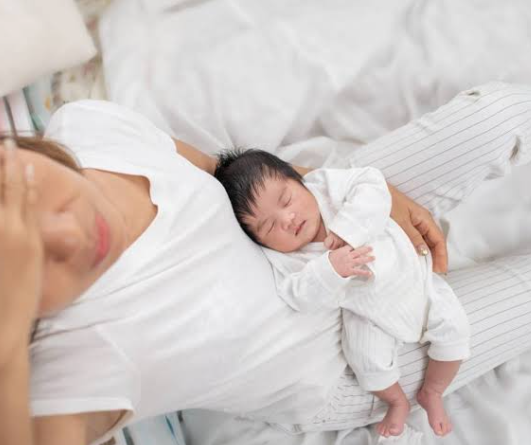
Postpartum sweat can be a surprising and sometimes overwhelming experience for many new mothers. Hormonal changes, physical exertion, and breastfeeding can all contribute to excess sweating. Understanding how to manage this can help you feel more comfortable in your new role as a parent.
1. Understand Your Body’s Changes
After giving birth, your body undergoes numerous changes, including fluctuations in hormone levels that can lead to increased sweating. This process is perfectly normal as your body adjusts to pre-pregnancy conditions. During this phase, it’s essential to stay informed about how these hormonal shifts impact your body and its natural temperature regulation.
Emotional stress and physical recovery can also heighten sensitivity to temperature, making you feel overheated more easily. It’s vital to listen to your body. Taking note of these changes can help you become more aware of when to take breaks, hydrate, or cool down. Observing how your sweat often correlates with these changes can guide you toward effective management techniques.
-
- Stay informed about postpartum hormonal changes.
-
- Track your body’s temperature fluctuations.
-
- Identify physical stressors that may trigger sweating.
-
- Develop a better understanding of your personal comfort levels.
2. Stay Cool and Comfortable
Keeping your environment comfortable can significantly reduce the discomfort associated with postpartum sweating. Consider factors like room temperature, ventilation, and your sleepwear choices. For example, use breathable fabrics like cotton for clothing and bedding to allow your skin to breathe better.
Managing heat can also involve strategic planning for outings and activities. Scheduling walks during cooler parts of the day, such as early mornings or evenings, can help you avoid the heat. Additionally, using fans or air conditioning at home can help maintain a pleasant environment.
-
- Opt for lightweight, breathable clothing materials.
-
- Keep living spaces well-ventilated and cool.
-
- Plan physical activities for cooler times of day.
-
- Use fans or air conditioning in your home.
3. Optimize Your Skincare Routine
Postpartum skin can react differently due to hormonal shifts, making it essential to modify your skincare routine. Consider incorporating gentle cleansers and moisturizers designed for sensitive skin. These can help prevent irritation from sweat while keeping your skin hydrated and balanced.
Additionally, using powders or light sprays can help absorb moisture and keep the skin feeling dry and comfortable. Exploring natural products can further reduce the risk of irritation. Make sure to test any new products on a small area of skin to ensure they do not cause adverse reactions.
-
- Choose gentle, hypoallergenic skincare products.
-
- Incorporate moisture-absorbing powders into your routine.
-
- Test any new products before full application.
-
- Keep your skincare routine simple and effective.
4. Hydrate and Nourish Your Body
Staying hydrated is crucial for overall wellness, particularly during the postpartum period. Increased fluid intake can help balance your body’s temperature and reduce the impact of sweating. Aim to drink plenty of water throughout the day, especially if you are breastfeeding.
A balanced diet rich in fruits, vegetables, and whole grains also supports your body’s recovery and helps regulate sweat. Foods rich in vitamins and minerals can enhance your skin’s health and potentially reduce excessive sweating. Keeping track of your dietary habits may reveal patterns linked to your sweat levels.
-
- Drink adequate amounts of water daily.
-
- Include hydrating fruits and vegetables in your diet.
-
- Avoid spicy foods that can trigger sweating.
-
- Consider keeping a food journal to track your diet’s effects.
5. Consult a Professional if Needed
If postpartum sweating continues to be a significant issue, don’t hesitate to consult a healthcare professional. They can evaluate your situation and provide personalized advice. Exploring medical interventions or lifestyle adjustments can be beneficial in managing persistent symptoms.
Understanding that you’re not alone in experiencing these challenges is important. Many women go through similar struggles during the postpartum phase. Professional help can lead to tailored strategies that suit your unique needs.
-
- Monitor your symptoms closely.
-
- Keep a journal of your experiences and concerns.
-
- Seek professional advice if sweating becomes unmanageable.
-
- Discuss options for symptom management with your doctor.
Postpartum sweat can be a challenging aspect of new motherhood, but with the right knowledge and support, you can find effective ways to manage it. Remember to listen to your body and seek professional guidance if needed. Take control of your self-care routine and feel empowered in your postpartum journey!