
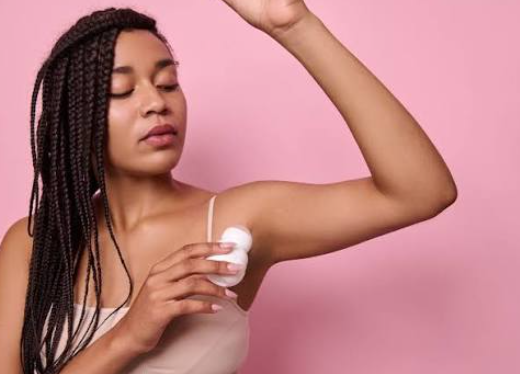
Postpartum care is essential for new mothers as they navigate the significant changes in their bodies after childbirth. One area that often gets overlooked is underarm care, which can become particularly crucial during this time. Hormonal changes, breastfeeding, and the physical demands of caring for a newborn can all impact underarm health and hygiene.
1. Understanding Postpartum Hormonal Changes
After giving birth, your body undergoes a dramatic shift in hormone levels, which can affect sweat production, skin sensitivity, and overall body odor. Hormonal fluctuations can lead to increased perspiration, which in turn can create discomfort and skin irritations in the underarm area. Being aware of these changes helps new mothers understand how to adapt their grooming routines.
Additionally, breastfeeding can also affect body chemistry. Increased levels of prolactin can make some women feel warm or sweaty. It’s important to monitor how these hormonal changes impact your underarm area to devise a suitable care routine that keeps you feeling fresh and comfortable.
-
- Track your sweat levels and any changes you notice.
-
- Consult with a healthcare provider if you experience excessive sweating.
-
- Use gentle, hypoallergenic products for sensitive skin.
-
- Consider wearing breathable fabrics to reduce irritation.
2. Keeping the Underarm Area Clean and Fresh
Maintaining proper hygiene in the underarm area becomes increasingly important after giving birth. Frequent washing can help prevent the buildup of sweat, bacteria, and odor. It’s advisable to use mild soaps that are free from harsh chemicals, as the skin may be more sensitive than usual during this period.
Another aspect of cleanliness is ensuring your underarm hair is managed. Depending on personal preference, some mothers may choose to shave, wax, or use other hair removal methods. Whatever you decide, make sure to follow up with a soothing lotion or balm to prevent irritation after hair removal.
-
- Wash underarms daily with a mild antibacterial soap.
-
- Gently exfoliate the area once a week to prevent ingrown hairs.
-
- Keep a towel or washcloth handy for quick freshen-ups during the day.
-
- Apply deodorant or antiperspirant suited for sensitive skin.
3. Moisturizing and Soothing Sensitive Skin
Postpartum hormones can lead to dry or sensitive skin, particularly in areas like the underarms. It’s essential to use a quality moisturizer designed for sensitive skin. Ingredients like aloe vera, vitamin E, and chamomile can be particularly soothing and can help maintain the skin’s integrity during this transitional phase.
If you experience irritation or rashes, consider using topical treatments formulated for sensitive skin. Over-the-counter creams with ingredients such as hydrocortisone can help alleviate redness and discomfort. However, always consult a healthcare professional to ensure you’re choosing safe options.
-
- Apply moisturizer to your underarms after cleansing, particularly if you shave.
-
- Test new products on a small patch of skin first to prevent irritation.
-
- Consider using an unscented moisturizer to avoid allergens.
-
- Keep skin hydrated by drinking plenty of water throughout the day.
4. Dealing with Odor: Strategies and Solutions
Odor control can become a concern during the postpartum period due to hormonal changes and increased sweat production. Choosing the right deodorant is vital, as certain ingredients can exacerbate sensitivity in new mothers. Opt for a product that is free of aluminum and artificial fragrances, instead choosing those with natural ingredients that provide long-lasting protection without irritation.
Additionally, diet can play a significant role in body odor. Consuming a balanced diet rich in fruits and vegetables, while minimizing spicy foods, caffeine, and alcohol, can help maintain a pleasant natural scent. Probiotics can also support overall skin health and may help reduce body odor.
-
- Try natural deodorants that are organic and fragrance-free.
-
- Avoid strong-smelling foods that can exacerbate body odor.
-
- Regularly change clothes to ensure freshness.
-
- Consider supplements with probiotics to support skin and gut health.
5. Recognizing Underarm Health Issues
During the postpartum period, it’s essential to be vigilant about any skin or health issues that may arise in the underarm area. Conditions like heat rash, fungal infections, and even unusual lumps can develop and may require medical attention. Pay close attention to any changes in color, texture, or sensitivity that differ from your normal state.
Monitoring for signs of infection, such as persistent redness or discharge, can help address issues early before they become more serious. Don’t hesitate to consult with a healthcare provider if you’re experiencing symptoms that cause concern, as early intervention can lead to better outcomes.
-
- Inspect your underarm area regularly for changes.
-
- Keep a record of any unusual symptoms and discuss them with your doctor.
-
- Research common postpartum conditions for awareness.
-
- Don’t ignore persistent discomfort; it’s worth getting checked out.
Postpartum underarm care deserves just as much attention as other aspects of bodily care. By understanding the changes your body is going through and adapting your routine accordingly, you can promote better hygiene, comfort, and health during this transformative period. If you have specific concerns or symptoms, consider consulting a healthcare professional for tailored advice and support.