
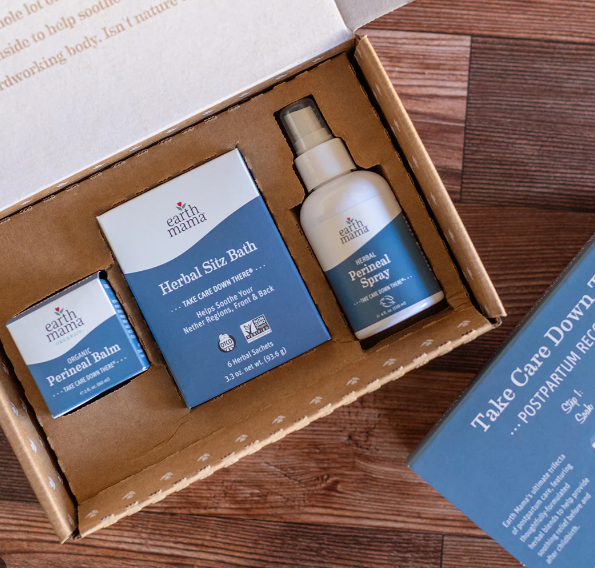
The postpartum period is a time of immense change, both physically and emotionally. After showering, it’s vital to establish a body care routine that addresses the unique needs of new mothers. Here’s how to effectively care for your body after a shower during this transformative phase.
1. Hydration: The Key to Recovery
Postpartum, your body has been through a lot, and hydration is crucial. After showering, your skin may feel dry or tight, especially if you’re breastfeeding or have lost a significant amount of blood during delivery. Keeping hydrated helps with skin elasticity and can alleviate discomfort, ensuring a smoother recovery. Consider drinking a glass of water as soon as you step out of the shower to rehydrate.
Add skin-friendly moisturizers to your routine, focusing on areas prone to dryness such as your belly, thighs, and breasts. Look for products containing ingredients like hyaluronic acid or shea butter, which can help lock in moisture. Be consistent with your application, ideally after your skin has dried a bit from the shower.
-
- Drink at least 8 ounces of water after your shower.
-
- Use a hydrating body lotion or cream within 3 minutes of drying off.
-
- Opt for products that are fragrance-free to prevent skin irritation.
-
- Consider adding an oil like coconut or almond oil for added moisture.
-
- Keep a water bottle handy in areas where you spend time with your baby.
2. Gentle Skin Care: Addressing New Sensitivities
Your skin may react differently after pregnancy due to hormonal changes. This means that certain products may cause irritation or breakouts. After showering, assess how your skin feels, and consider a minimalistic approach to your skincare routine. Gentle, pH-balanced cleansers and moisturizers are essential to avoid exacerbating any sensitivities.
Don’t forget to address the skin in areas that have experienced significant change. Products with soothing ingredients like aloe vera can help calm any irritation. Additionally, be cautious with exfoliating agents–less can be more during this time as your skin adjusts.
-
- Choose fragrance-free and hypoallergenic products.
-
- Perform a patch test before trying new skincare products.
-
- Limit exfoliation to once a week if your skin feels sensitive.
-
- Consult a dermatologist if you notice any persistent skin issues.
-
- Use a gentle exfoliating washcloth instead of harsh scrubs.
3. Embracing Body Positivity: Accepting Changes
Body image can shift dramatically after childbirth, which might complicate the way you view self-care. After a shower, take a moment to appreciate what your body has accomplished rather than focusing solely on its changes. Reflecting positively and practicing gratitude can be part of your after-shower routine, enhancing your emotional well-being.
Consider incorporating affirmations or quiet moments of self-reflection as part of your post-shower ritual. This mental care complements the physical aspects of body care and can help build a healthier mindset. Surround yourself with a supportive community that fosters body positivity and self-acceptance during this transformative time.
-
- Stand in front of a mirror and acknowledge your body’s strengths.
-
- Journal about positive affirmations or experiences.
-
- Practice mindfulness for a few minutes after your shower.
-
- Engage with positive communities online to boost your morale.
-
- Set realistic body goals and celebrate small victories.
4. Comfort Fabrics: Choosing the Right Clothing
The type of clothing you wear right after a shower can greatly influence your comfort. Opt for breathable, soft fabrics that allow your skin to breathe and feel cozy. Natural materials like cotton or bamboo are ideal, especially in sensitive areas that may have experienced stretching during pregnancy.
When dressing postpartum, consider the functionality as well—clothes that provide easy access for breastfeeding can alleviate additional stress. Your comfort should be a priority; this includes wearing items that make you feel confident and at ease in your skin.
-
- Choose clothes made from breathable, natural fibers.
-
- Consider nursing-friendly options that don’t sacrifice style.
-
- Layer clothing if you’re experiencing temperature fluctuations.
-
- Invest in a few supportive undergarments that fit well.
-
- Stick to loose-fitting items until you feel more comfortable.
5. Mindfulness and Relaxation: Mental Health is Key
Lastly, taking care of your mental health after showering is just as crucial as physical care. Set aside a few minutes to practice mindfulness, whether through meditation, deep breathing exercises, or simply enjoying a moment of peace. This can significantly reduce postpartum anxiety and stress, creating a more positive space for both you and your baby.
Consider incorporating soothing scents through essential oils or candles in your bathroom to create a relaxing environment. Combining physical and mental care can help you feel more grounded amidst the challenges of motherhood.
-
- Use aromatherapy before or after your shower for a calming effect.
-
- Set a timer for 5-10 minutes of mindfulness practice.
-
- Incorporate calming music or sounds during your self-care routine.
-
- Reflect on three things you’re grateful for each day.
-
- Join a postpartum support group for shared experiences and emotions.
Postpartum body care is an incredibly personal journey that requires patience and understanding. By developing a thoughtful post-shower routine that encompasses hydration, skin care, body positivity, comfort, and mindfulness, you can nurture your body and mind during this significant life change. Don’t hesitate to reach out to healthcare professionals if you have concerns about your postpartum recovery—your well-being is paramount.